The Pantheon - Roma, Italy
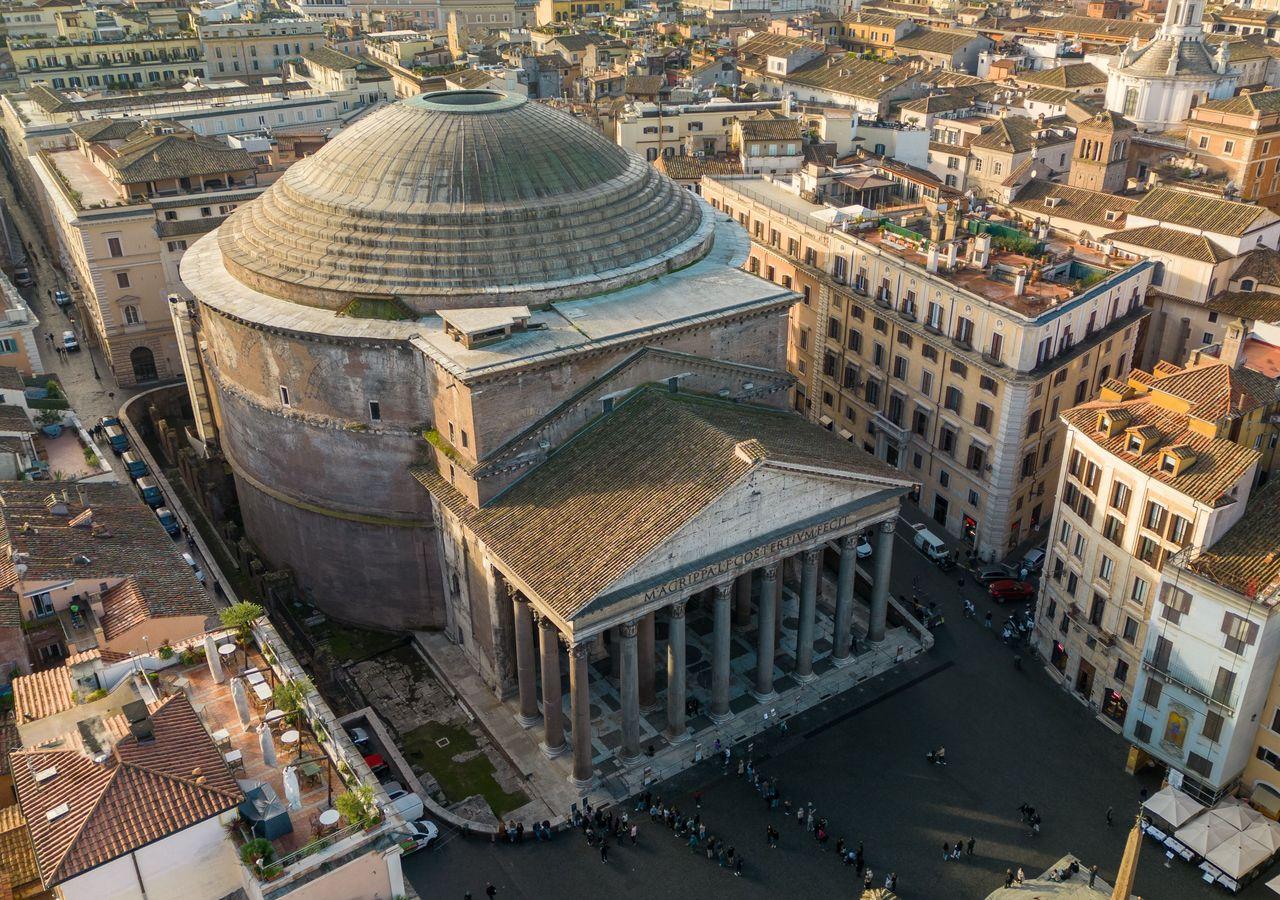
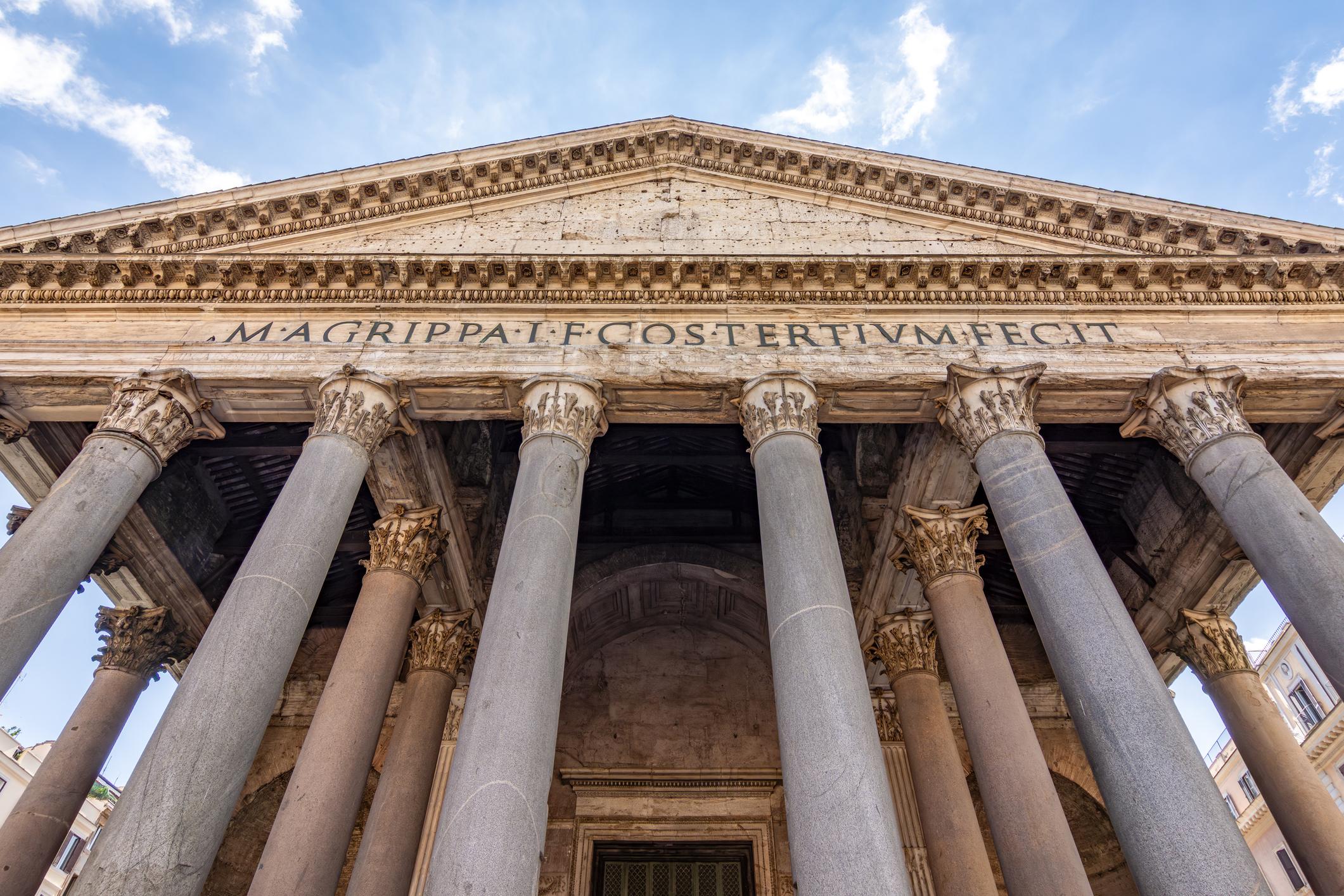
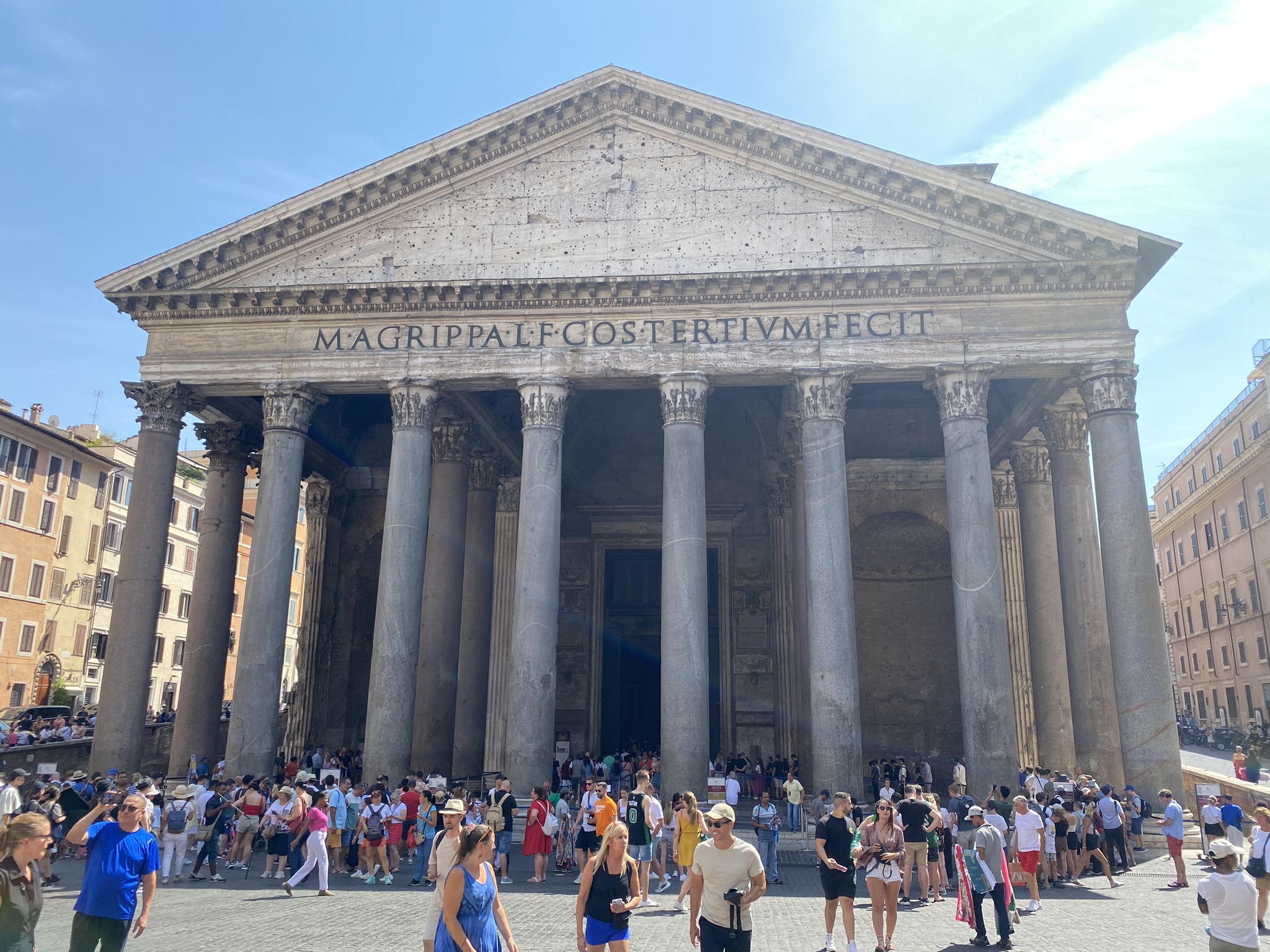
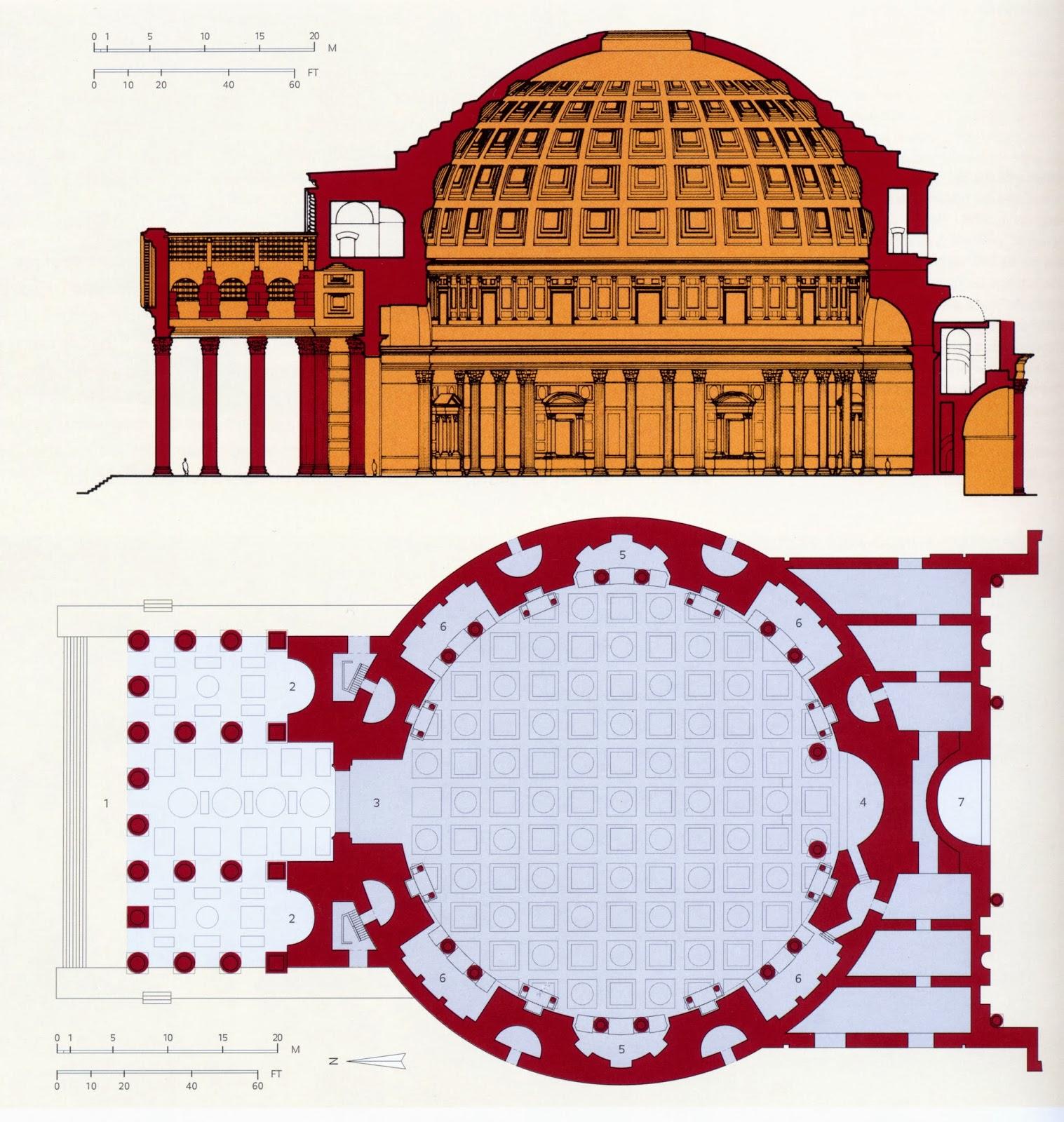
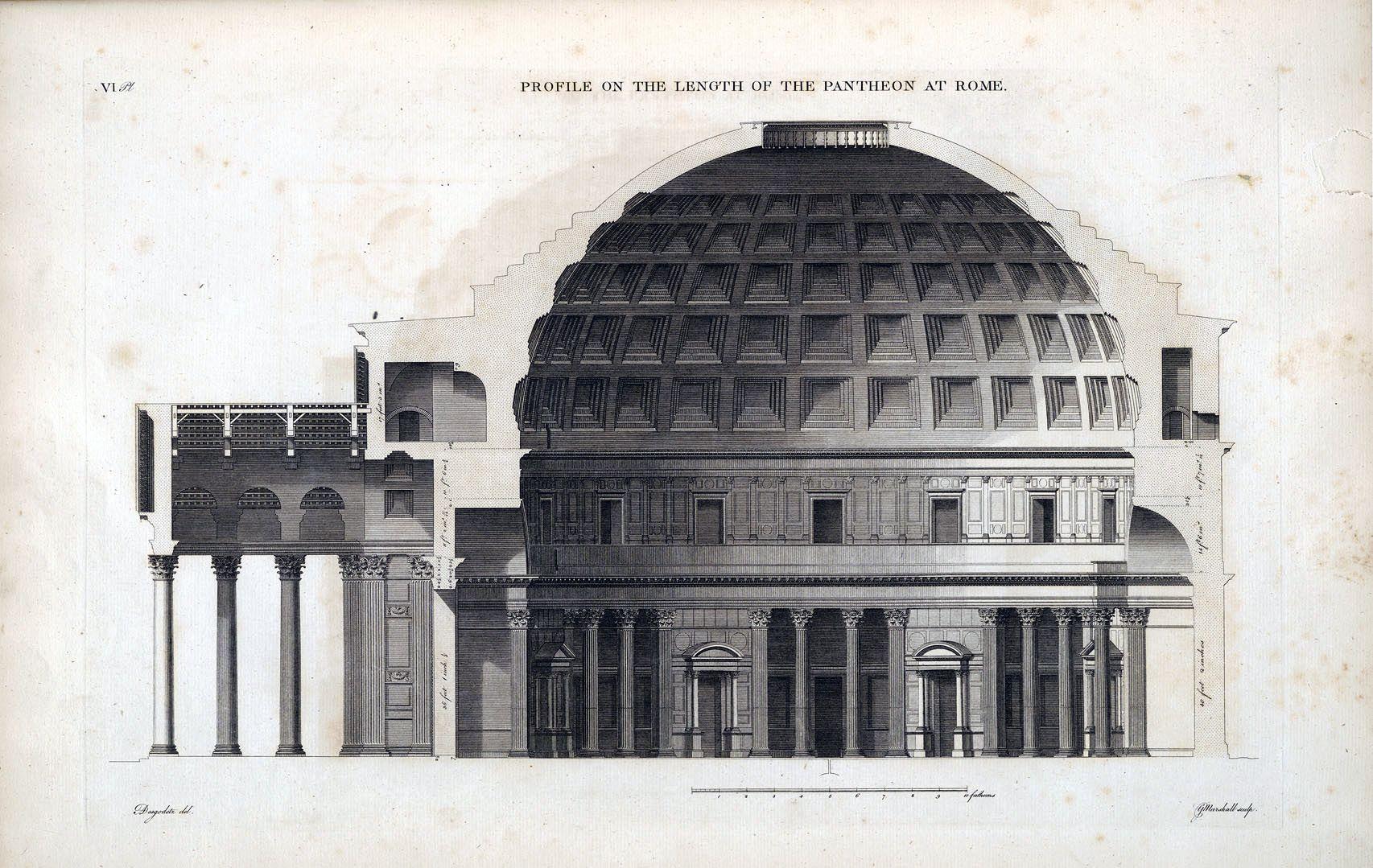
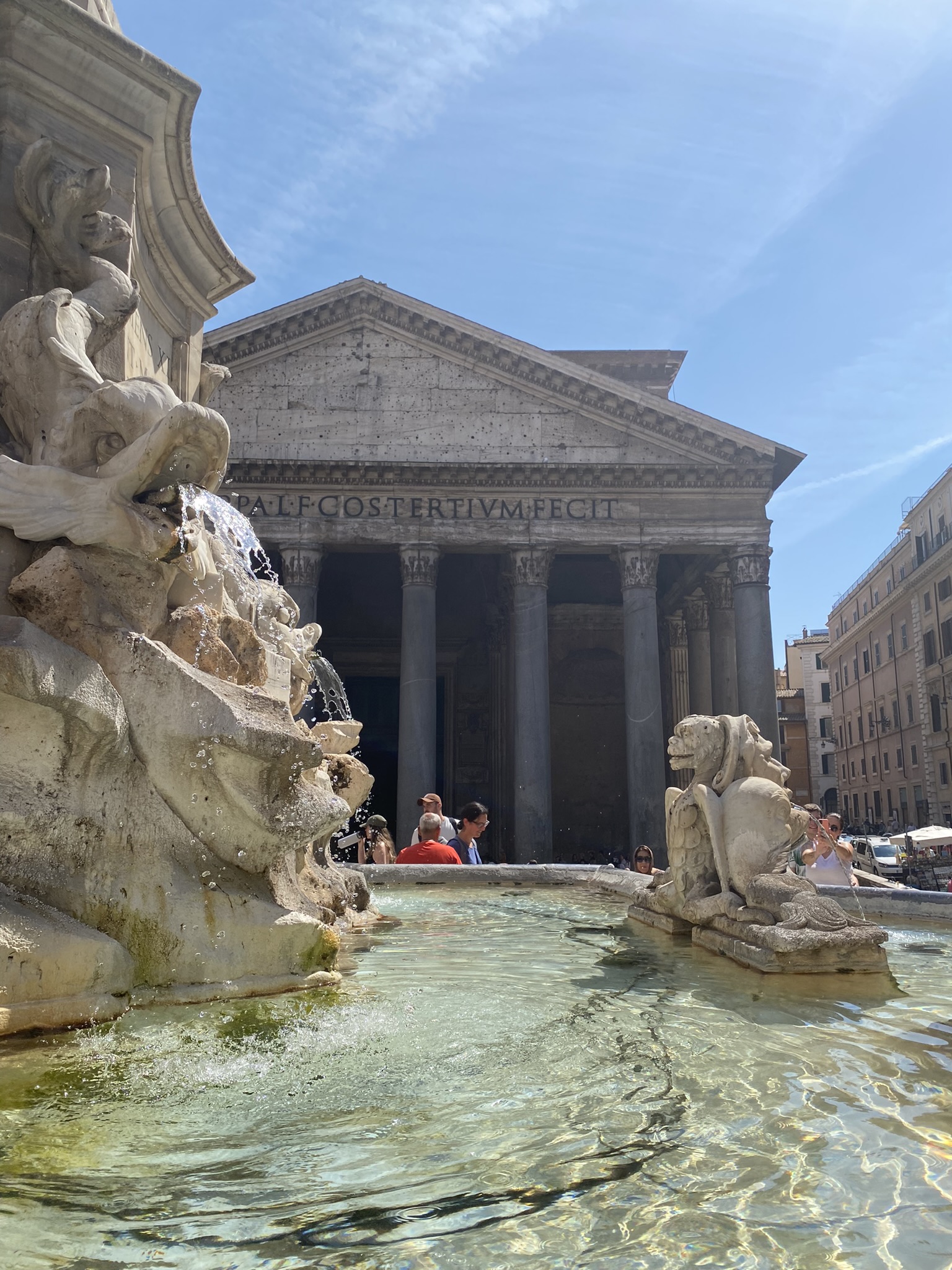
Marcus Vipsanius Agrippa, a close associate of Emperor Augustus, commissioned the original Pantheon around 27–25 BC. Agrippa’s building formed part of a wider programme of development in the Campus Martius, an area that was becoming increasingly important for public monuments and religious activities. The inscription preserved on the present-day facade commemorates Agrippa’s original commission: M·AGRIPPA·L·F·COS·TERTIVM·FECIT, conventionally translated as “Marcus Agrippa, son of Lucius, made this when consul for the third time.” Although this inscription refers to the earlier building, the structure visible today is principally the result of a later imperial reconstruction. Agrippa’s original monument was destroyed by fire in AD 80. A subsequent rebuilding under Emperor Domitian was also affected by fire in AD 110. These disasters led to further reconstruction during the reign of Emperor Hadrian, producing the building that largely survives today.
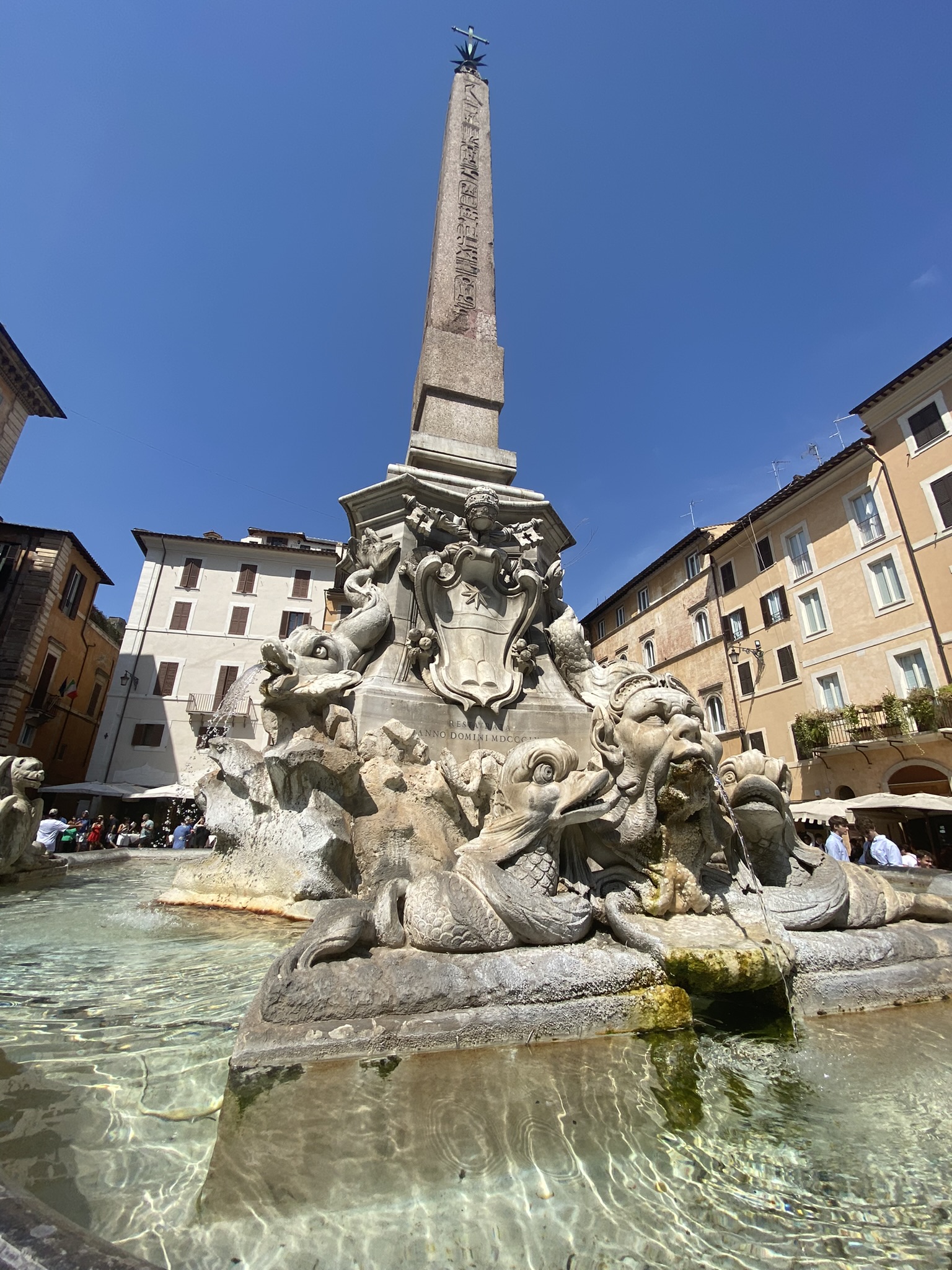
The present Pantheon is generally dated to the reign of Emperor Hadrian, with its principal construction usually placed around AD 118–125, although the precise chronology remains debated. Hadrian ruled from AD 117 to 138 and was known for his interest in Greek culture, philosophy, and architecture. The Pantheon’s original religious purpose remains a subject of scholarly discussion. Its name, derived from Greek elements meaning “all” and “divine,” has traditionally been interpreted as referring to all the gods. However, the precise relationship between the building’s name, its dedication, and the religious practices conducted within it is not entirely certain. The Pantheon’s survival is closely connected to its conversion from an ancient Roman religious monument into a Christian church. In AD 609, the Byzantine emperor Phocas transferred the building to Pope Boniface IV, who consecrated it as Santa Maria ad Martyres, or Saint Mary and the Martyrs.
This change of use helped preserve the structure while many other ancient Roman buildings deteriorated or were dismantled for their materials. The Pantheon continued to function as a place of worship, allowing its principal architectural form to survive into the medieval period.
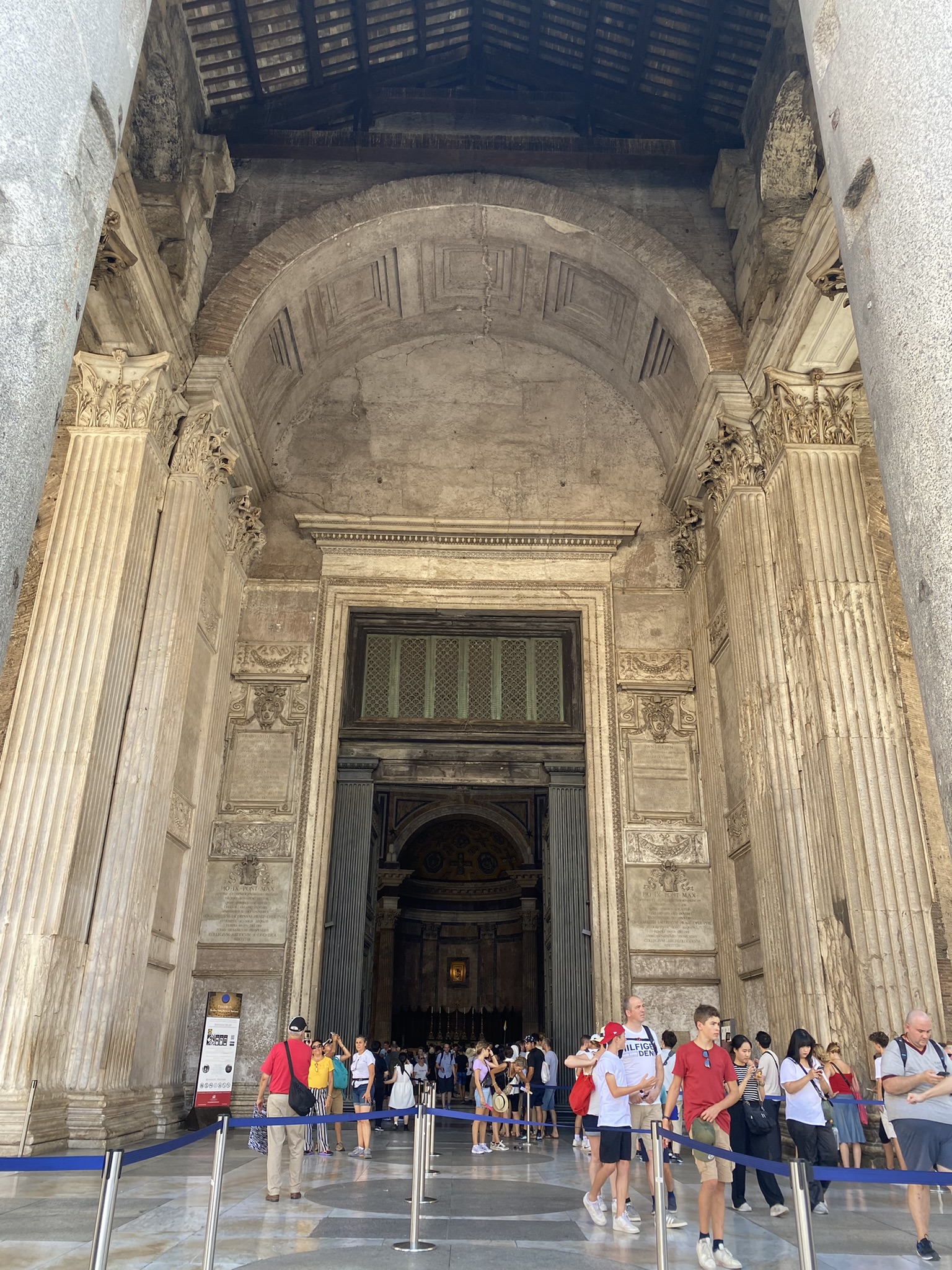
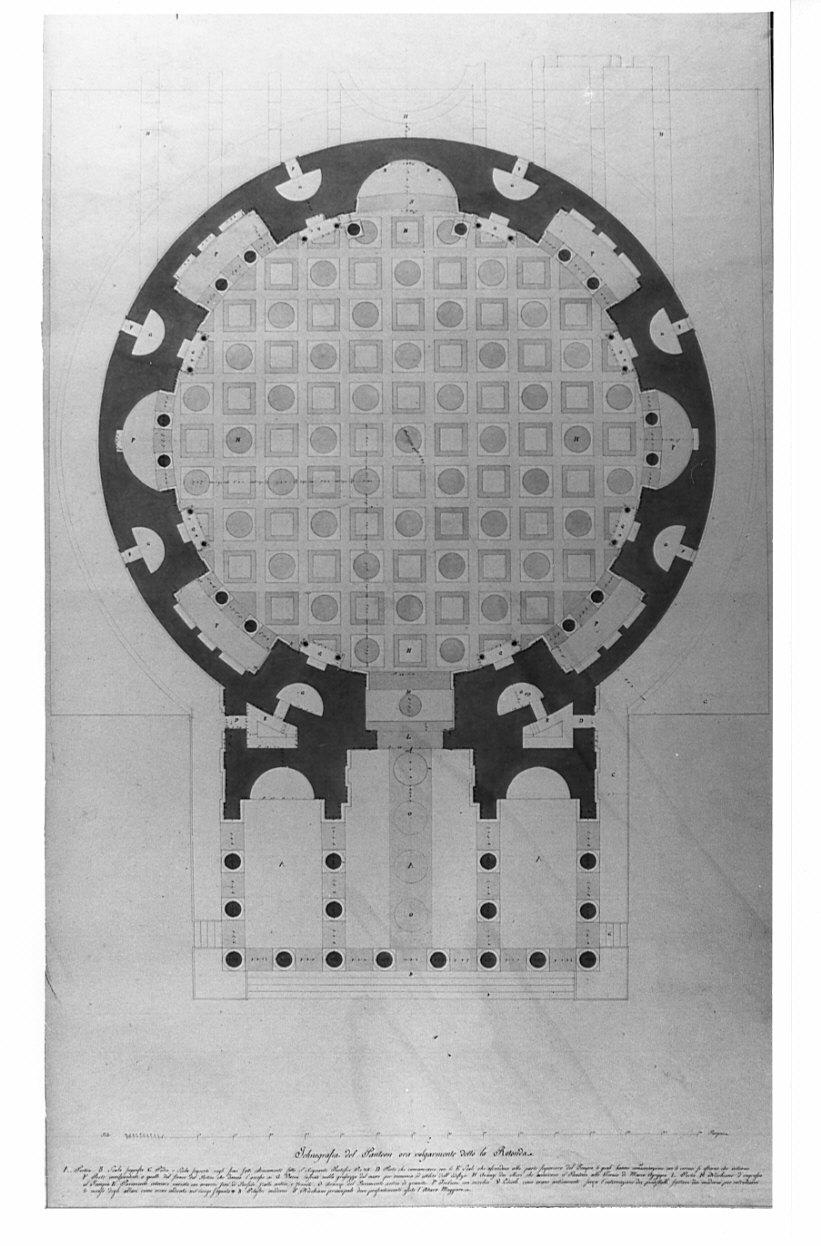
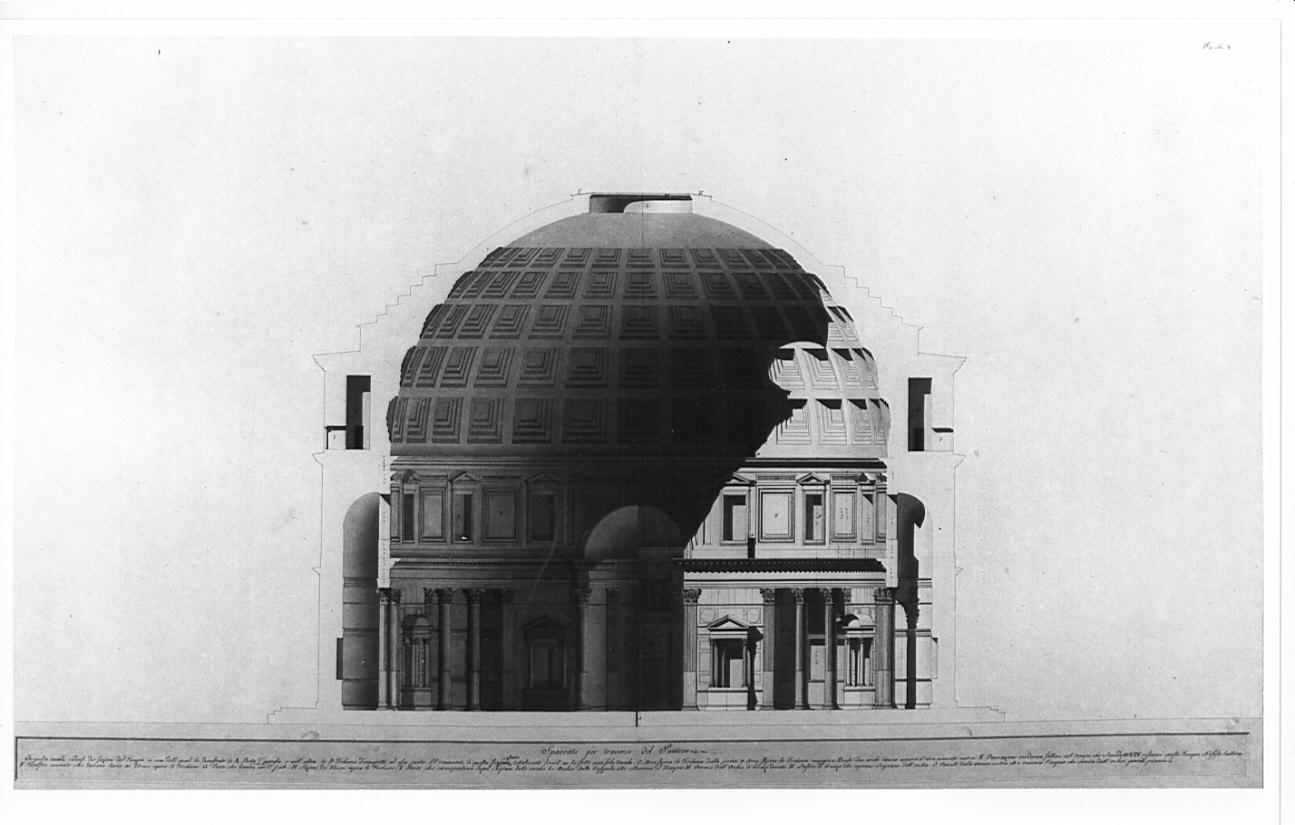
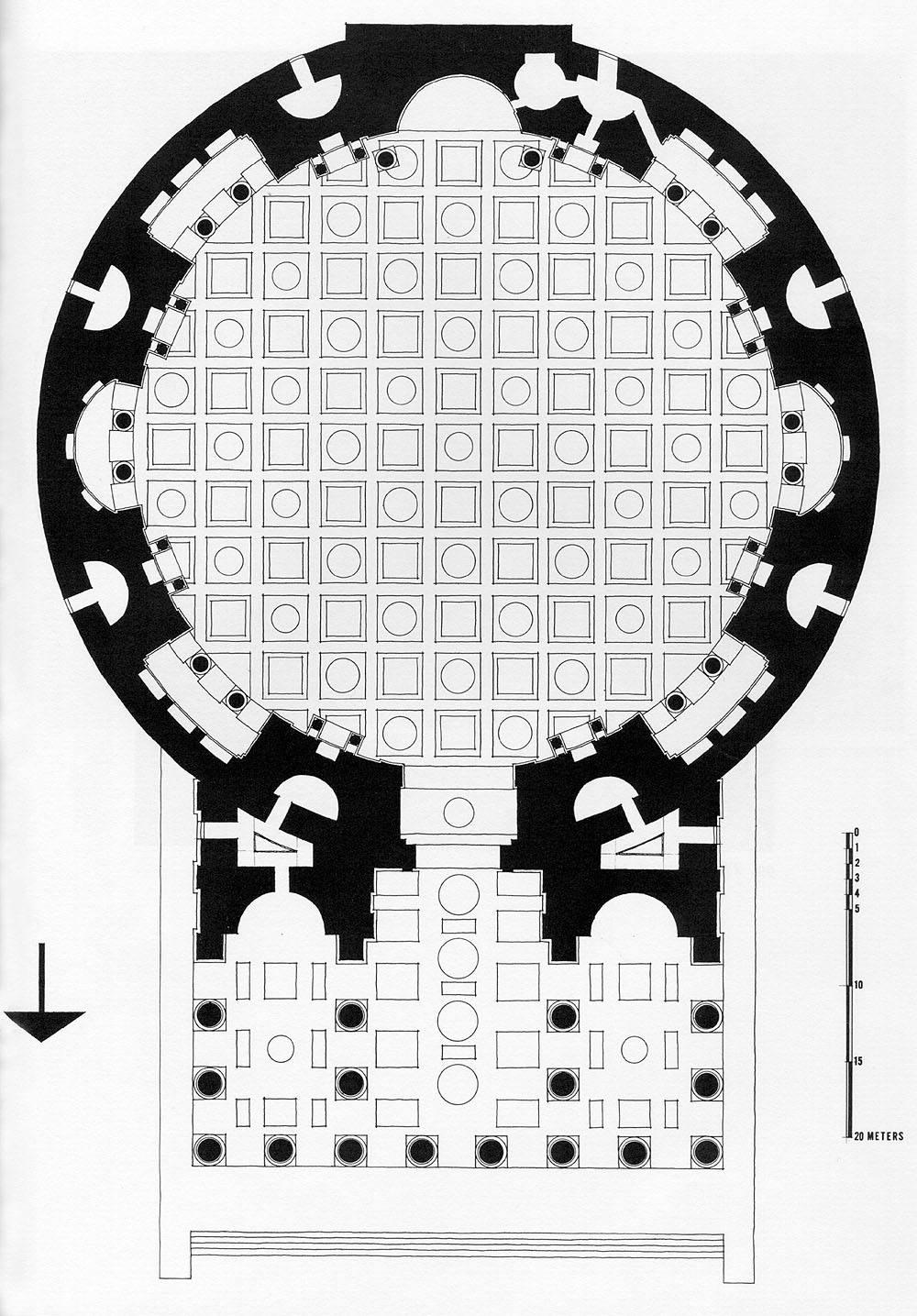
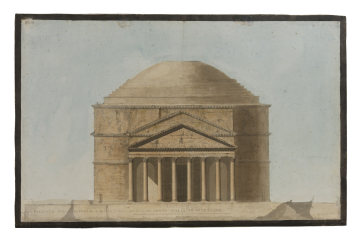
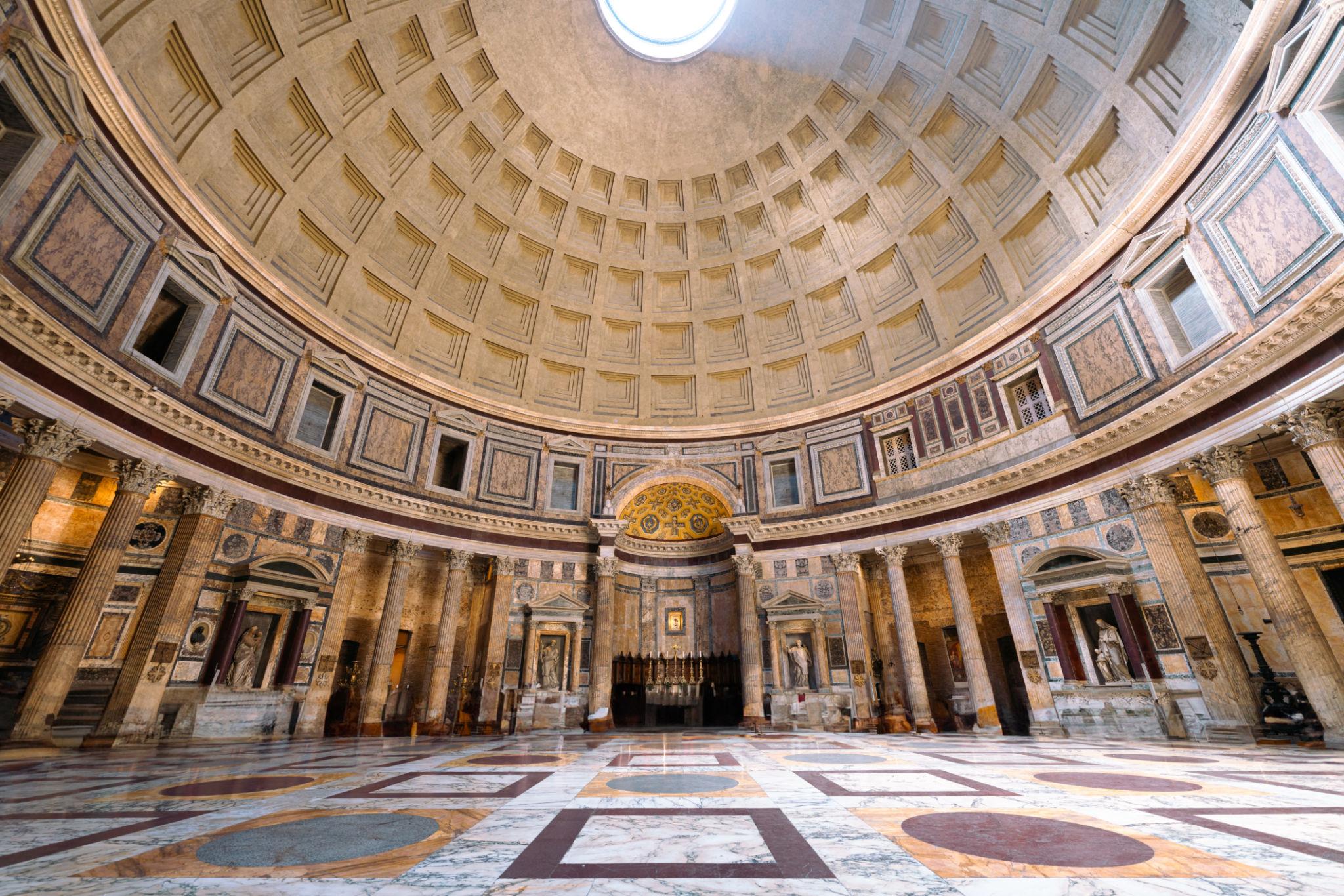
The Pantheon occupies a central position in the history of architecture because it demonstrates how geometry, material innovation and spatial experience can be combined within a single building. Its classical portico establishes a familiar monumental entrance, while the rotunda and dome create an interior of extraordinary scale and formal clarity.
Three architectural principles define its lasting influence:
- Geometric unity: The relationship between the diameter and height of the interior establishes a coherent proportional system.
- Structural innovation: Roman concrete construction made possible a vast domed enclosure without internal columns.
- Integration of light and space: The oculus transforms sunlight into an essential element of the architectural experience.
Article Curated by
Picture Gallery
About Architecture Office