The Colosseum - Roma, Italy
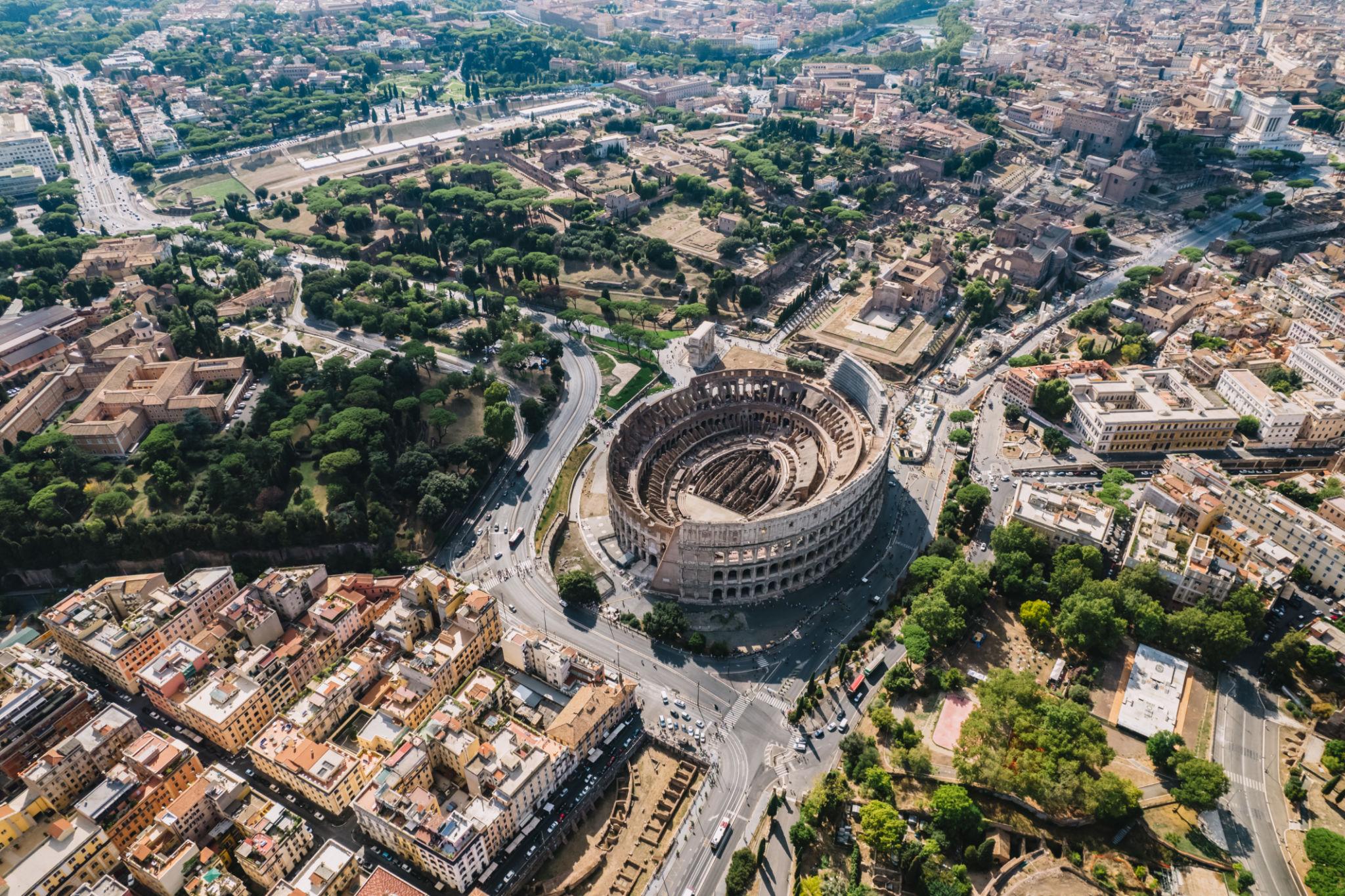
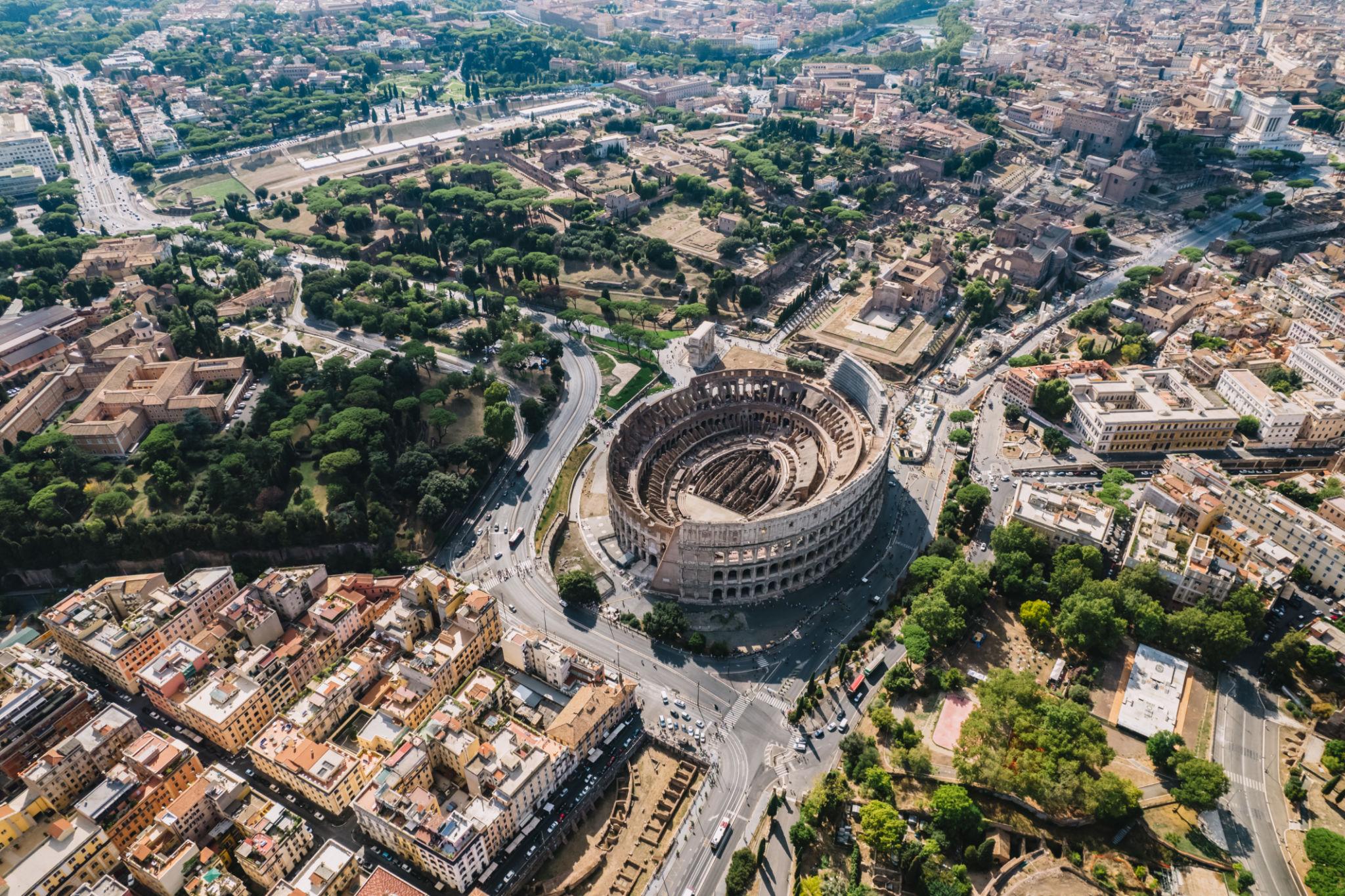
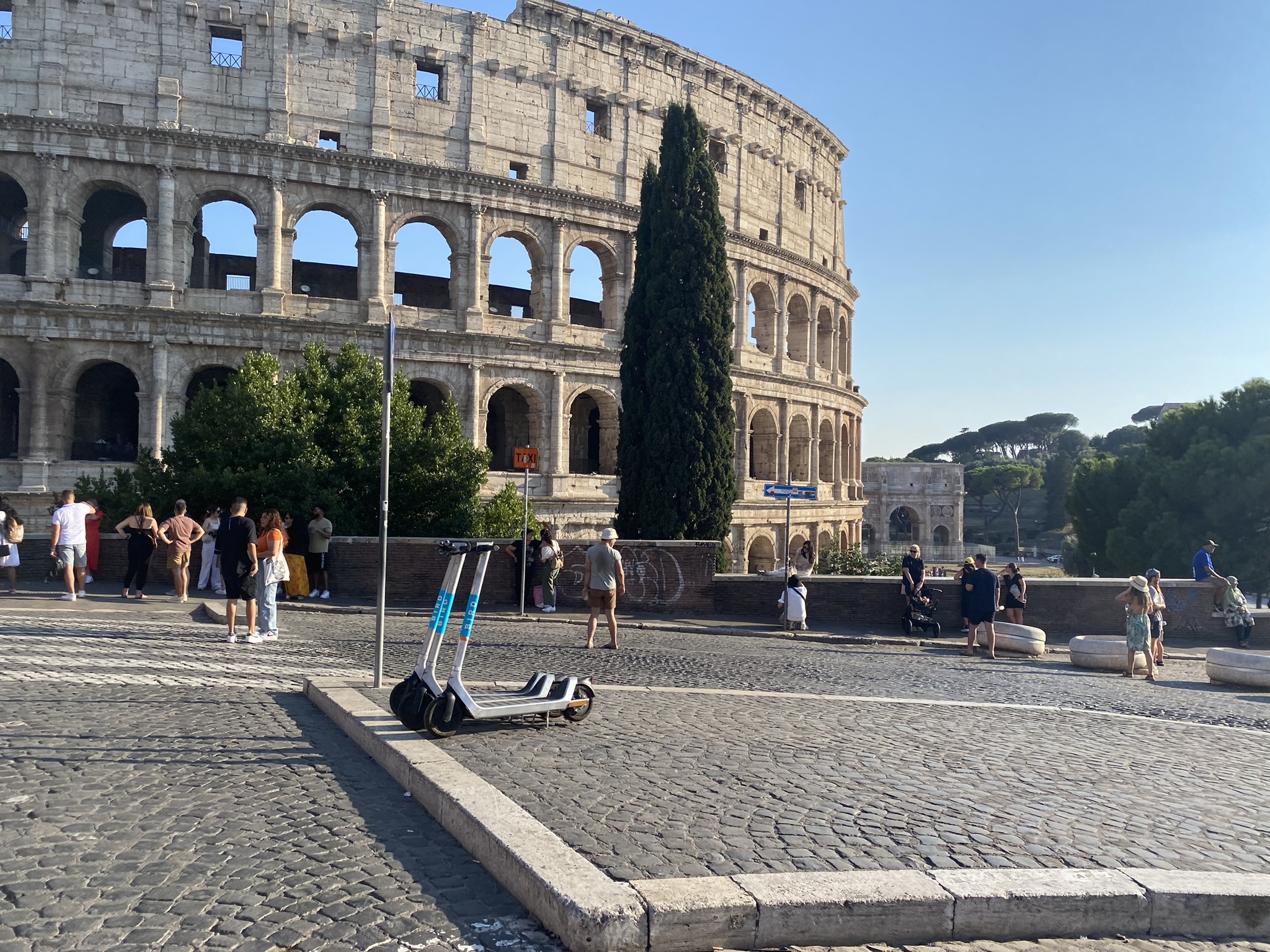
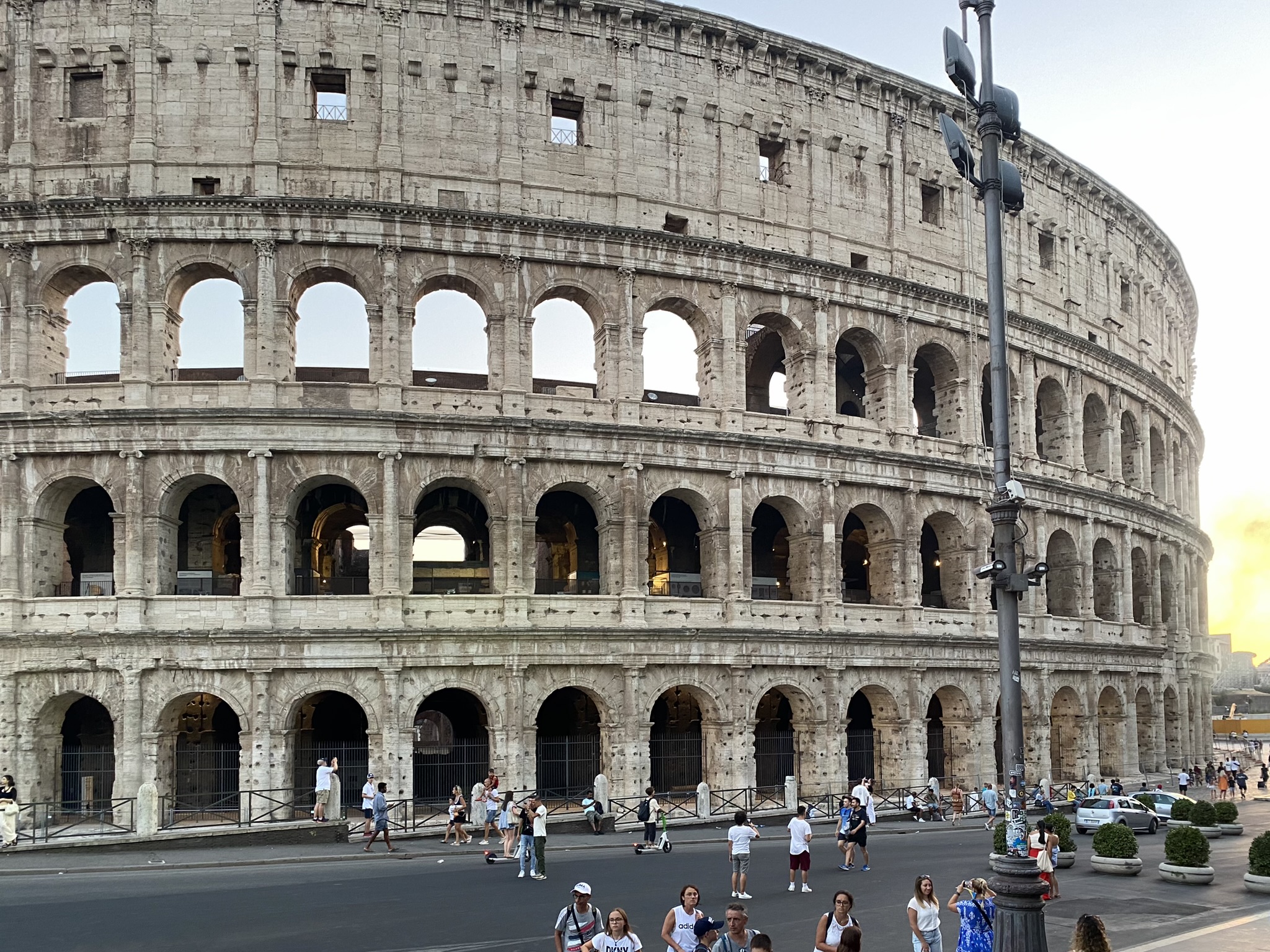
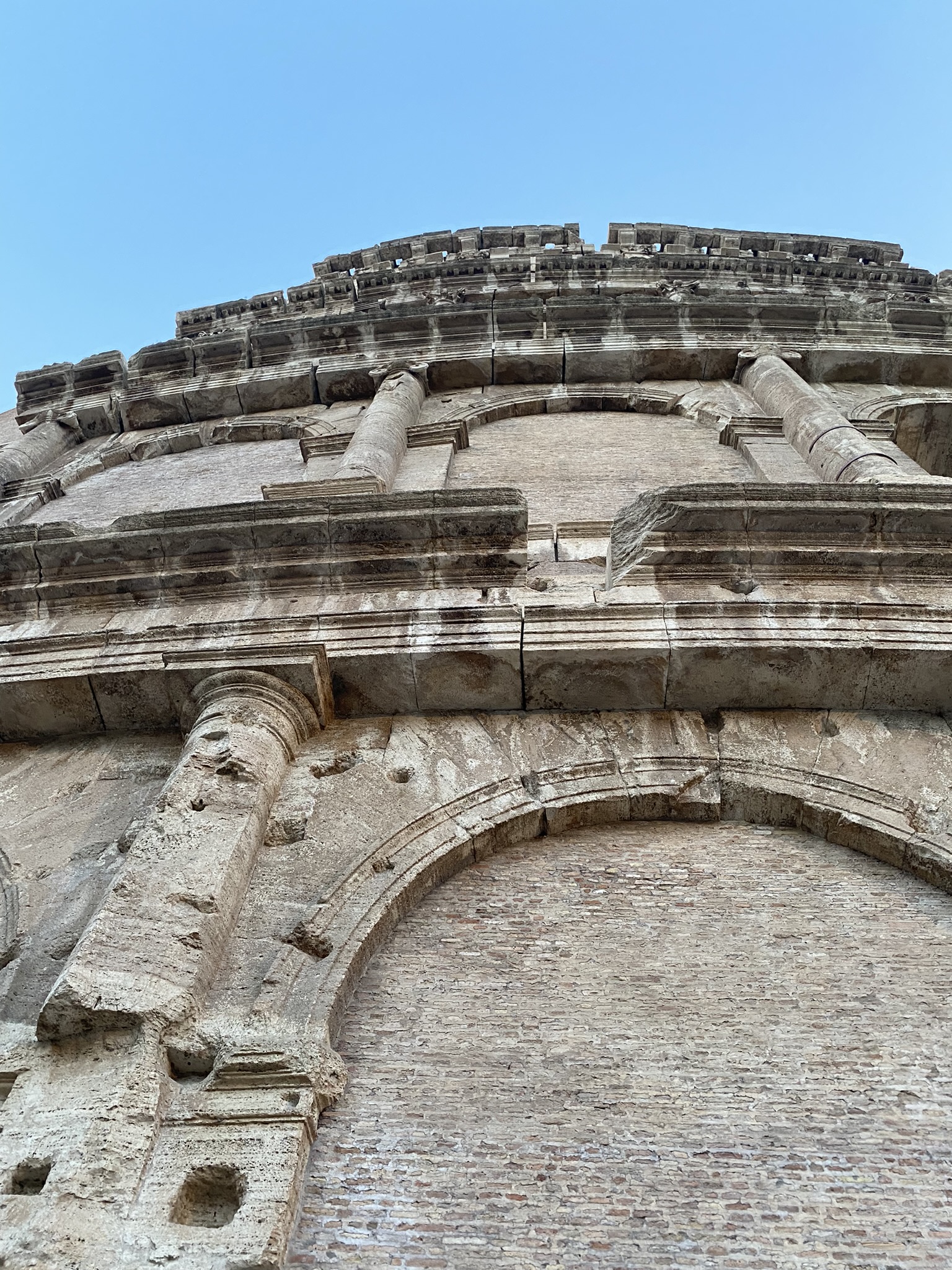
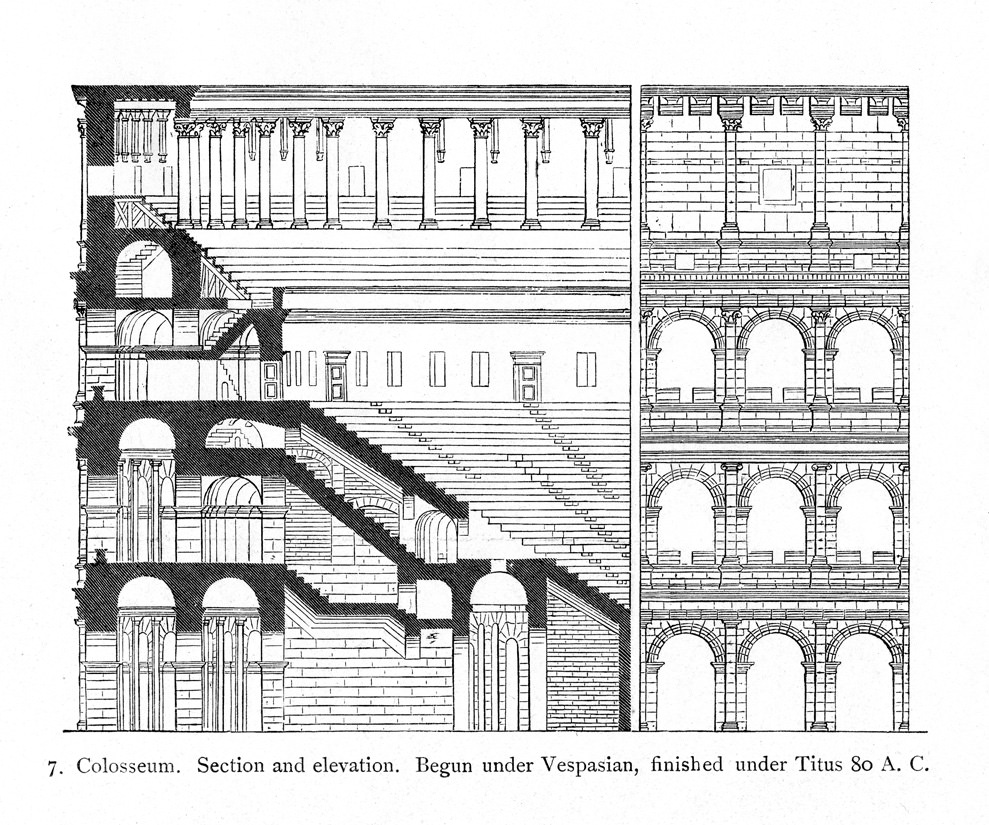
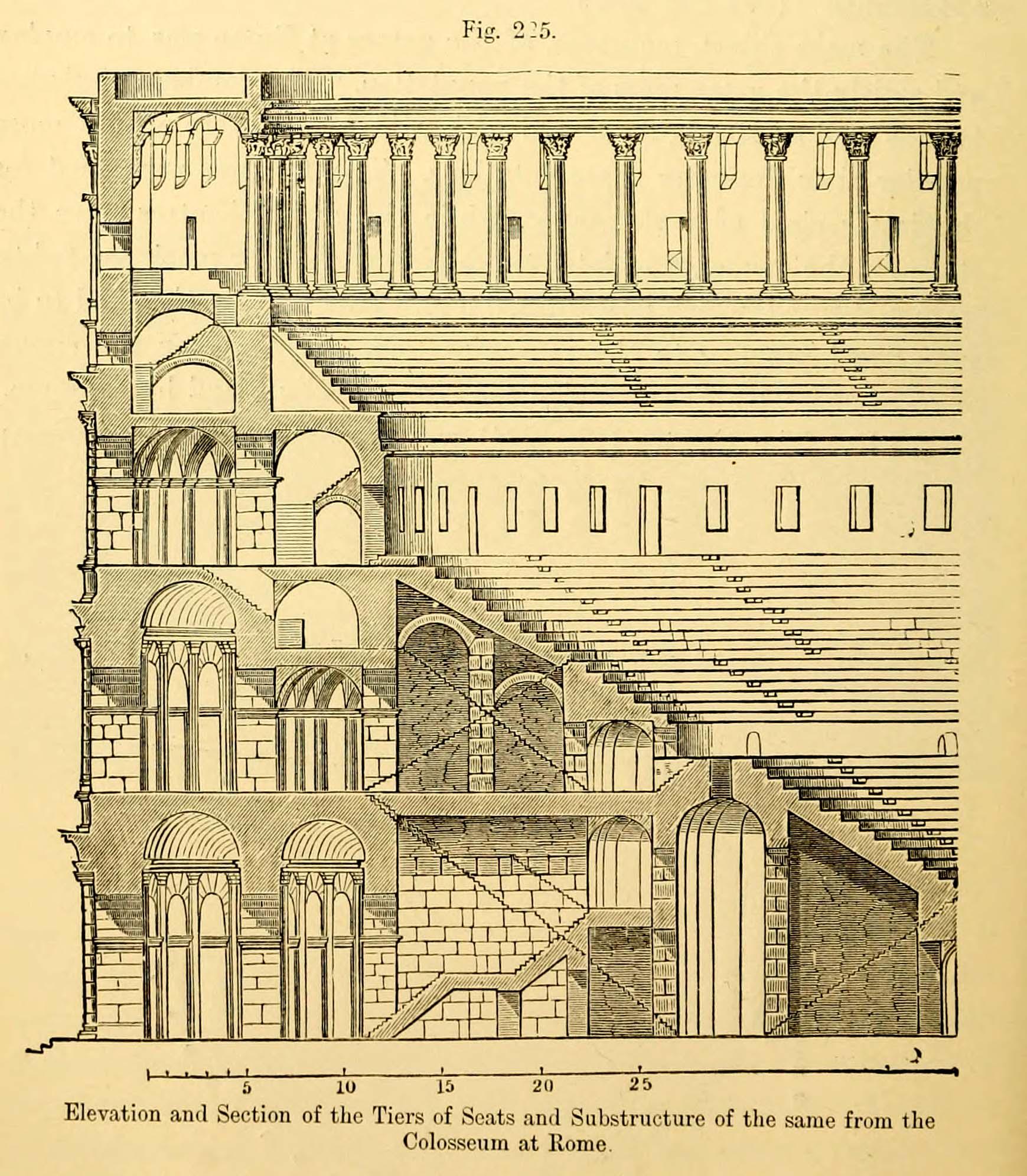
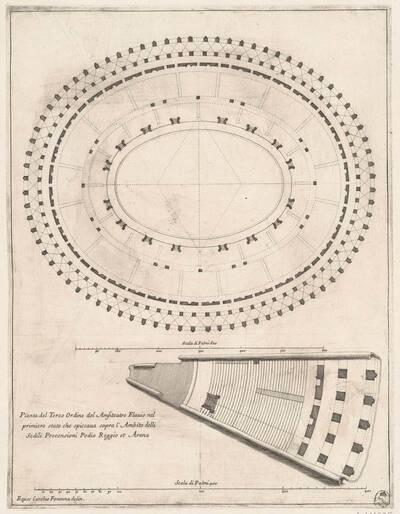
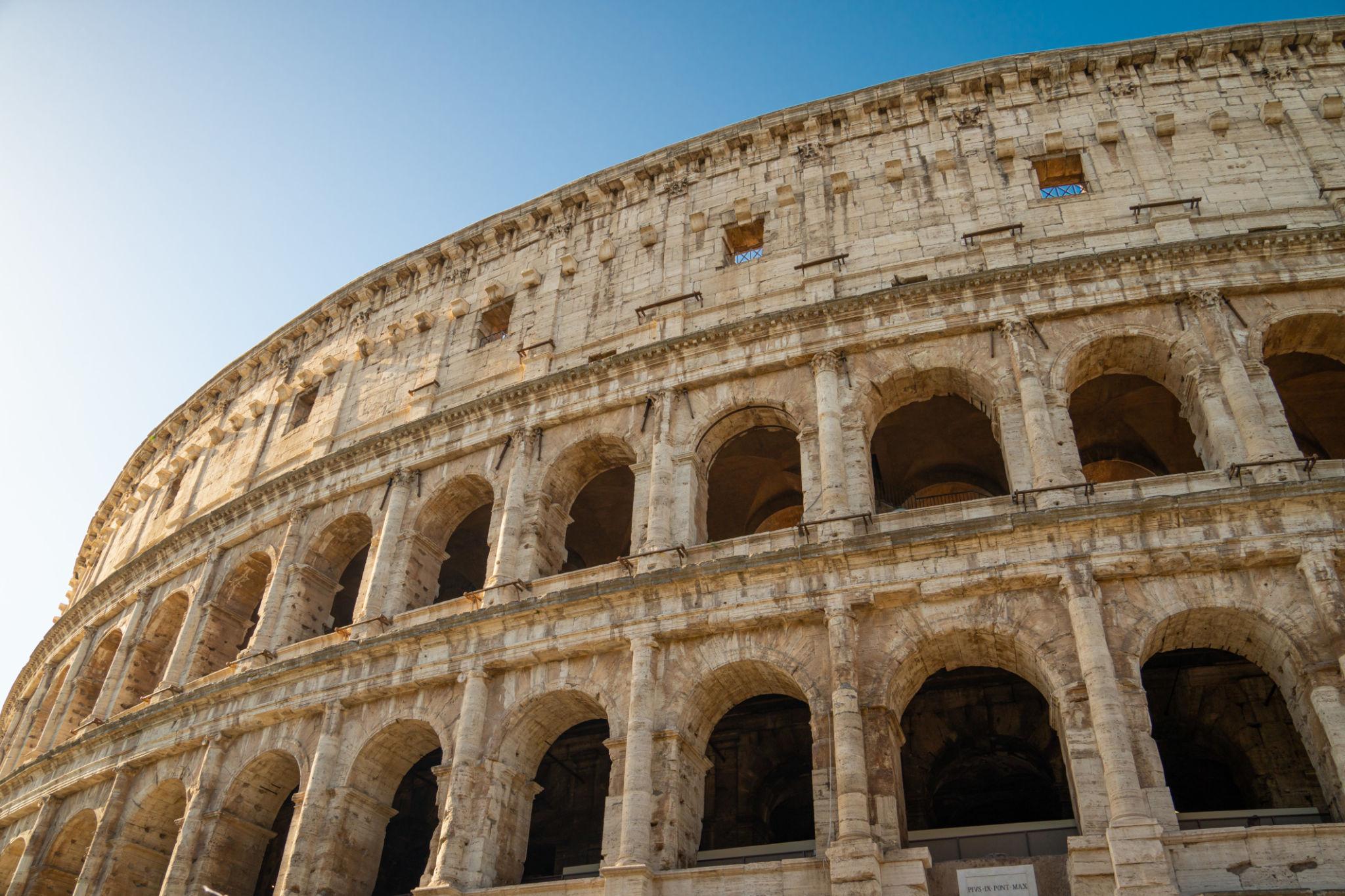
The Colosseum, also known as the Flavian Amphitheatre, is one of the most recognizable monuments of ancient Rome. Constructed during the first century AD, it represents a major achievement in Roman engineering, urban planning and public architecture. Its monumental scale, carefully organized circulation systems and repeated sequence of arches established a model for large public venues that continues to influence architecture today.
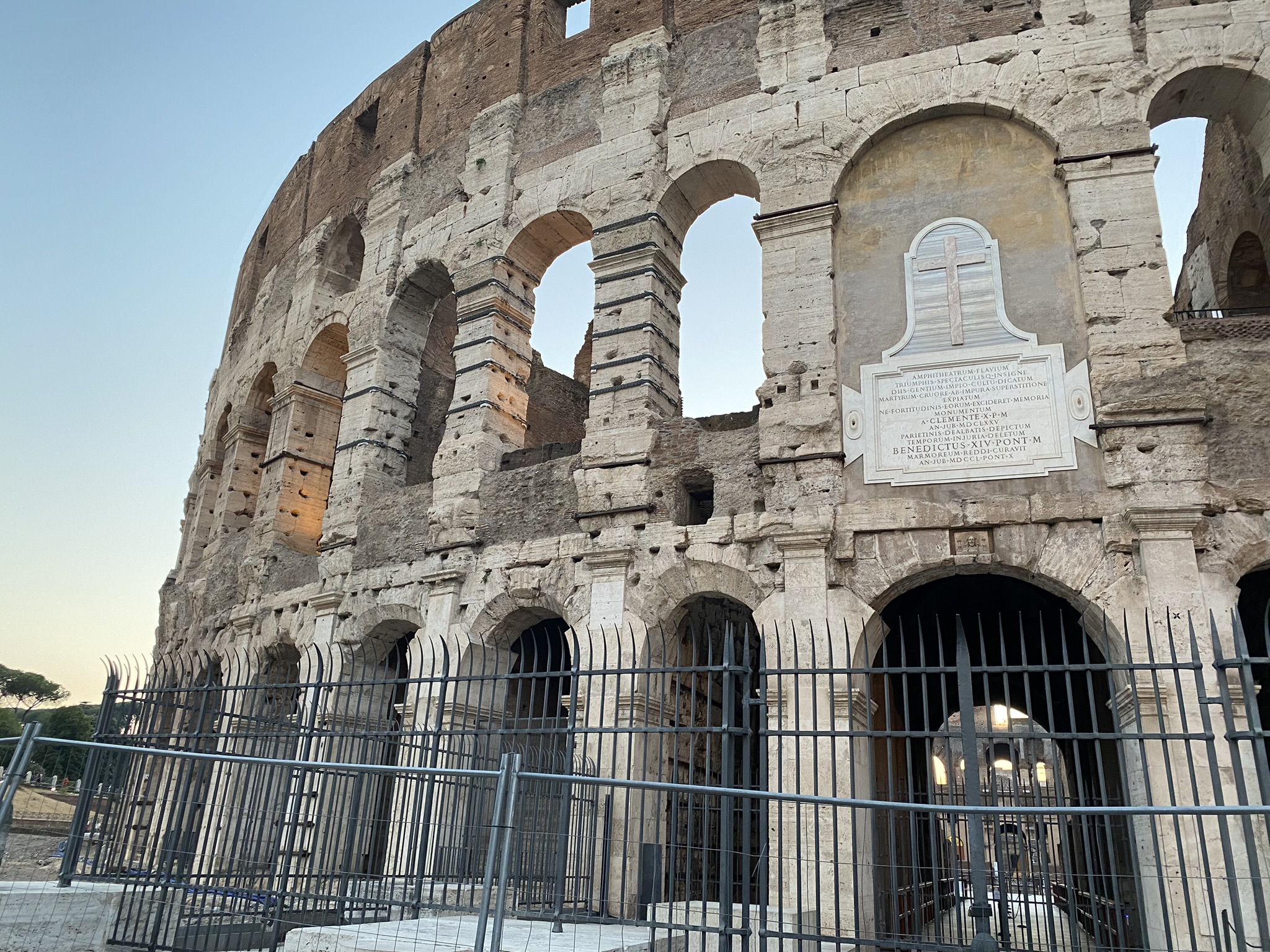
After Nero's death in AD 68, the Flavian emperors sought to establish a new political identity for Rome. Rather than retaining the former emperor's private landscape, the new regime reclaimed the area for public use. The construction of a large amphitheatre on the site of Nero's artificial lake symbolized a shift from private imperial luxury toward a monument intended for the city's population.
Emperor Vespasian initiated construction around AD 70–72. The project formed part of a wider programme to restore public confidence, provide popular entertainment and demonstrate the authority of the new dynasty. The structure was named the Flavian Amphitheatre after its imperial patrons; the familiar name Colosseum became established later, possibly through association with the colossal statue of Nero that once stood nearby.
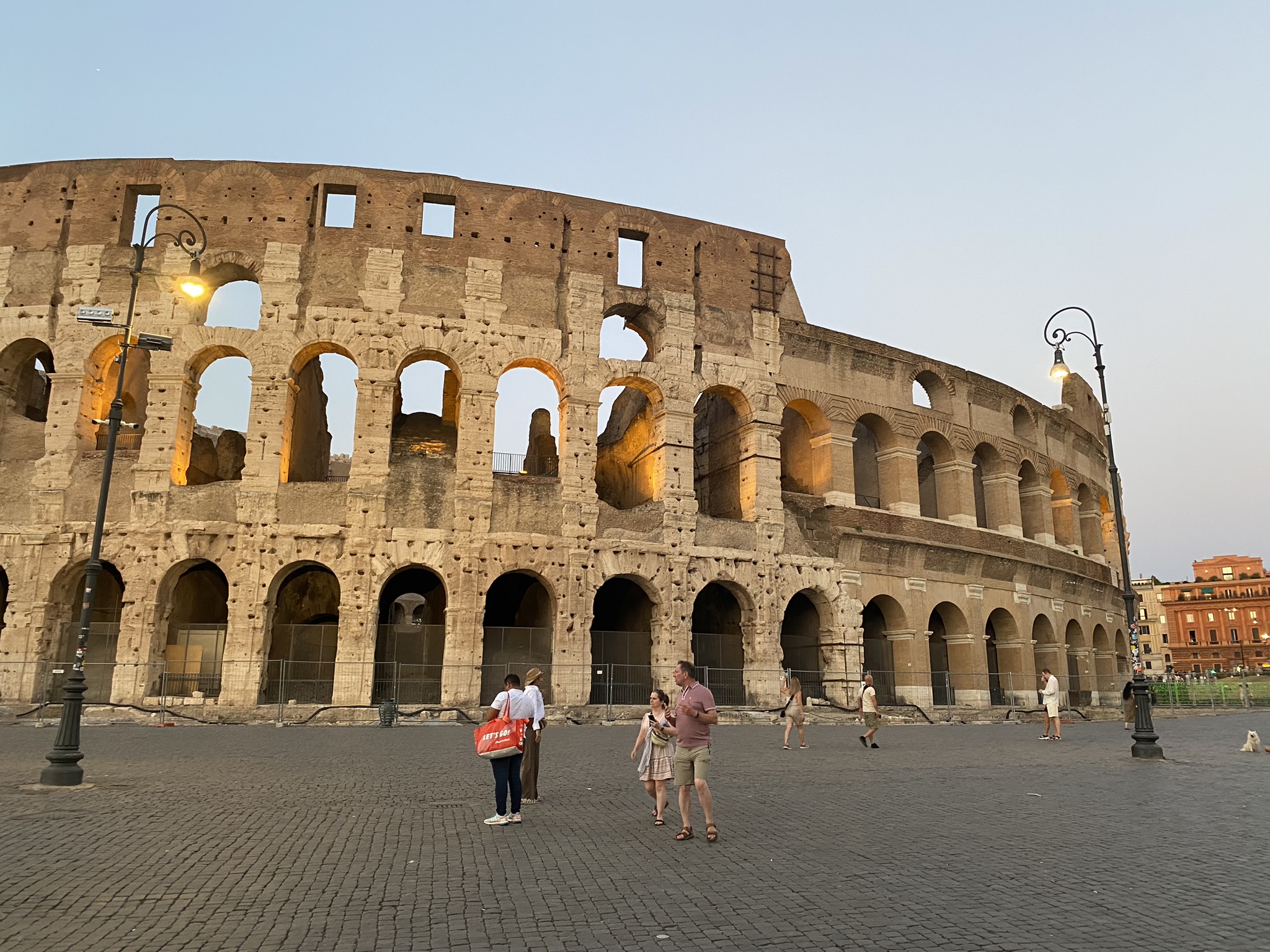
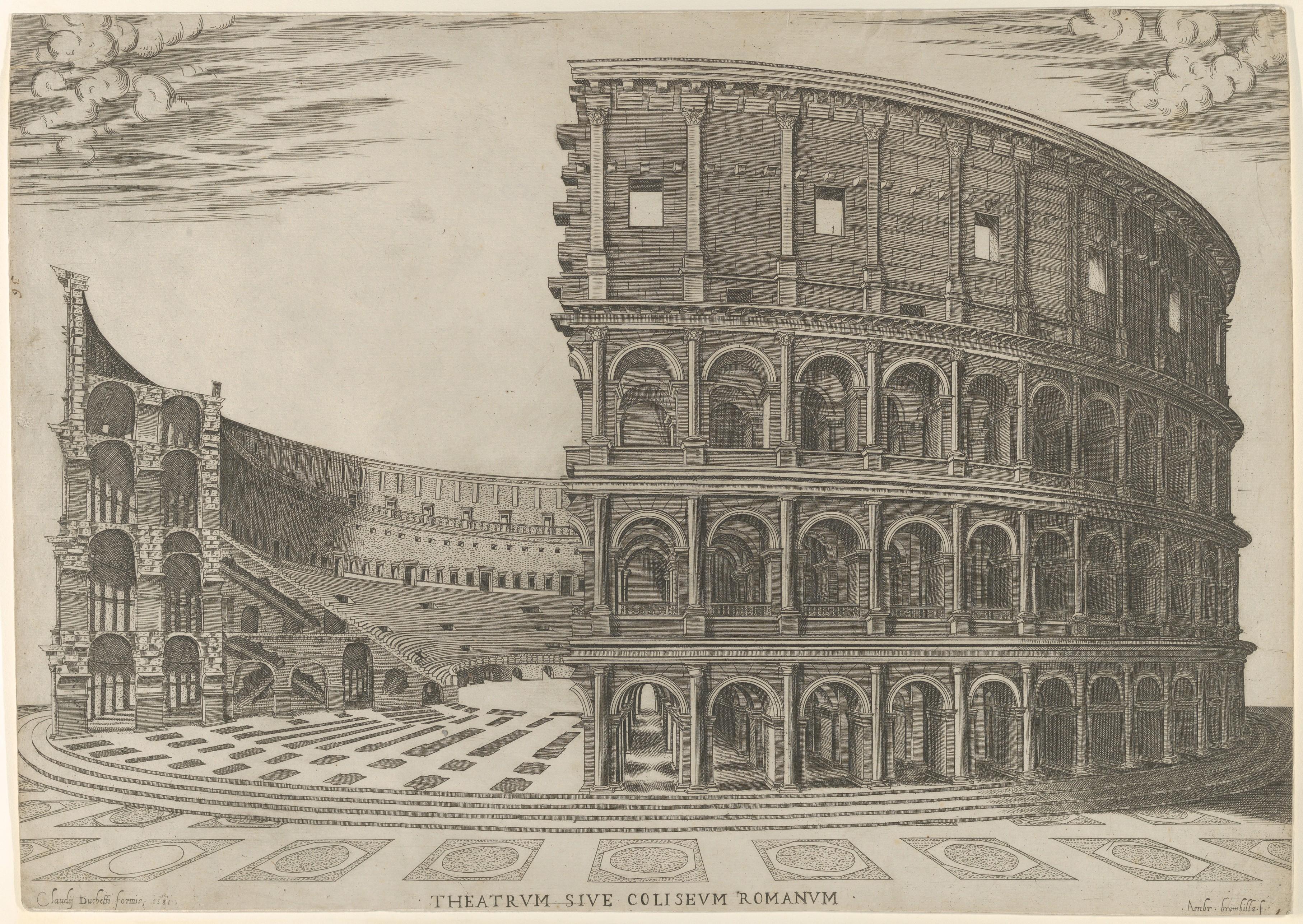
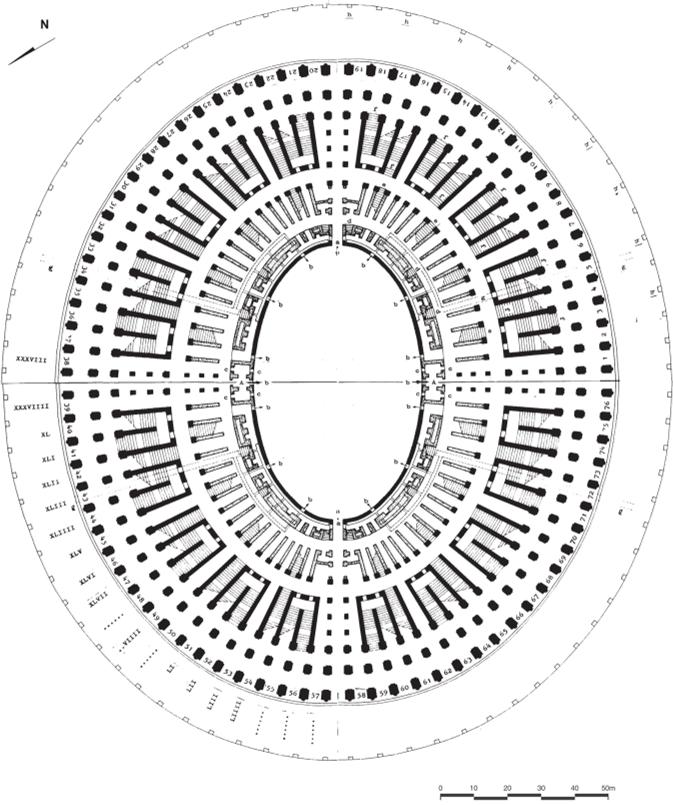
Today, the Colosseum is one of the most significant surviving monuments of ancient Rome and forms part of the UNESCO World Heritage property encompassing the Historic Centre of Rome. Its importance extends beyond its original function as an amphitheatre: it provides evidence of Roman engineering, imperial power, social organization and the long-term transformation of historic urban environments.
Article Curated by
Picture Gallery
About Architecture Office