Hadrian’s Villa - Tivoli, Italy
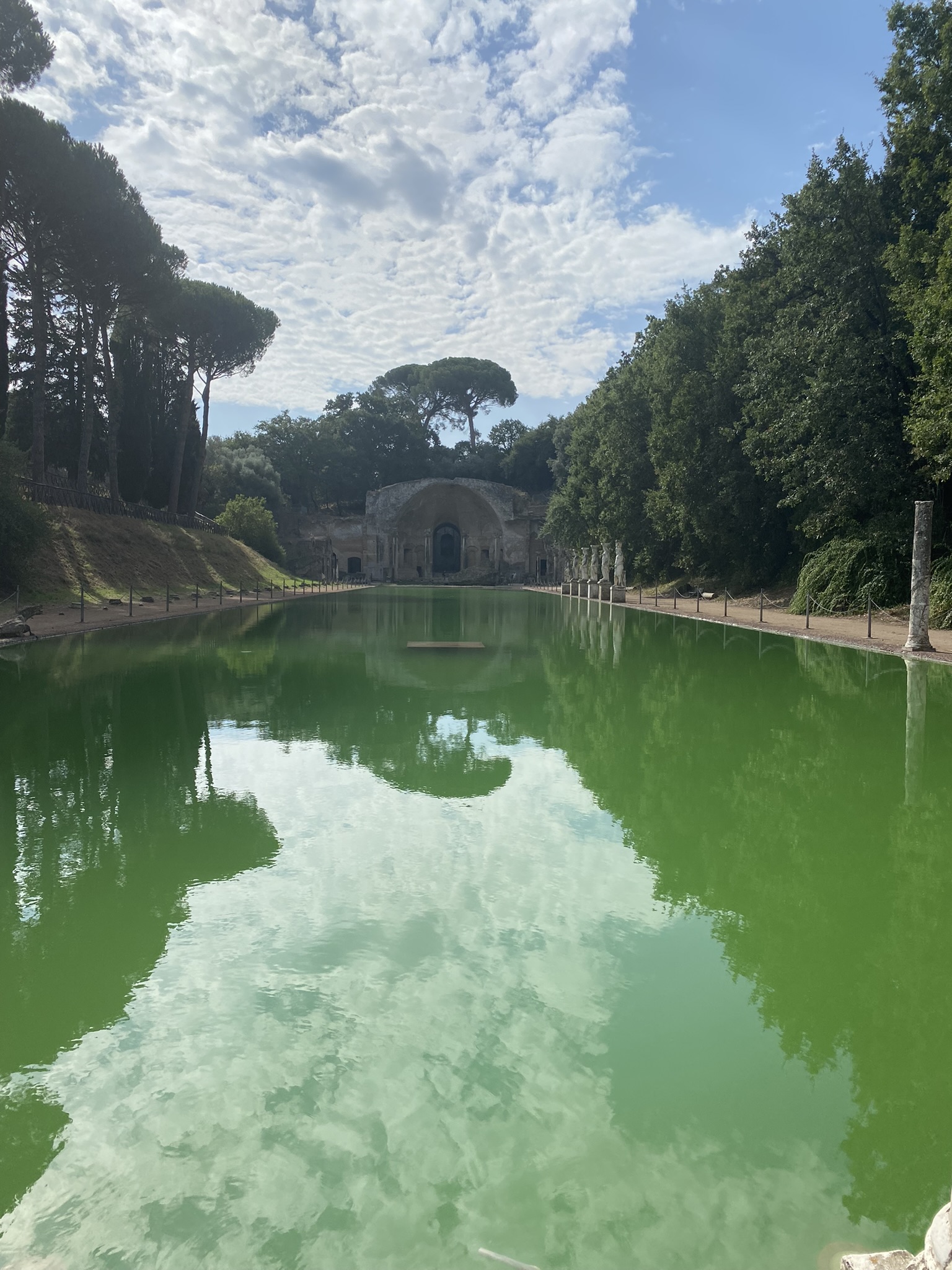
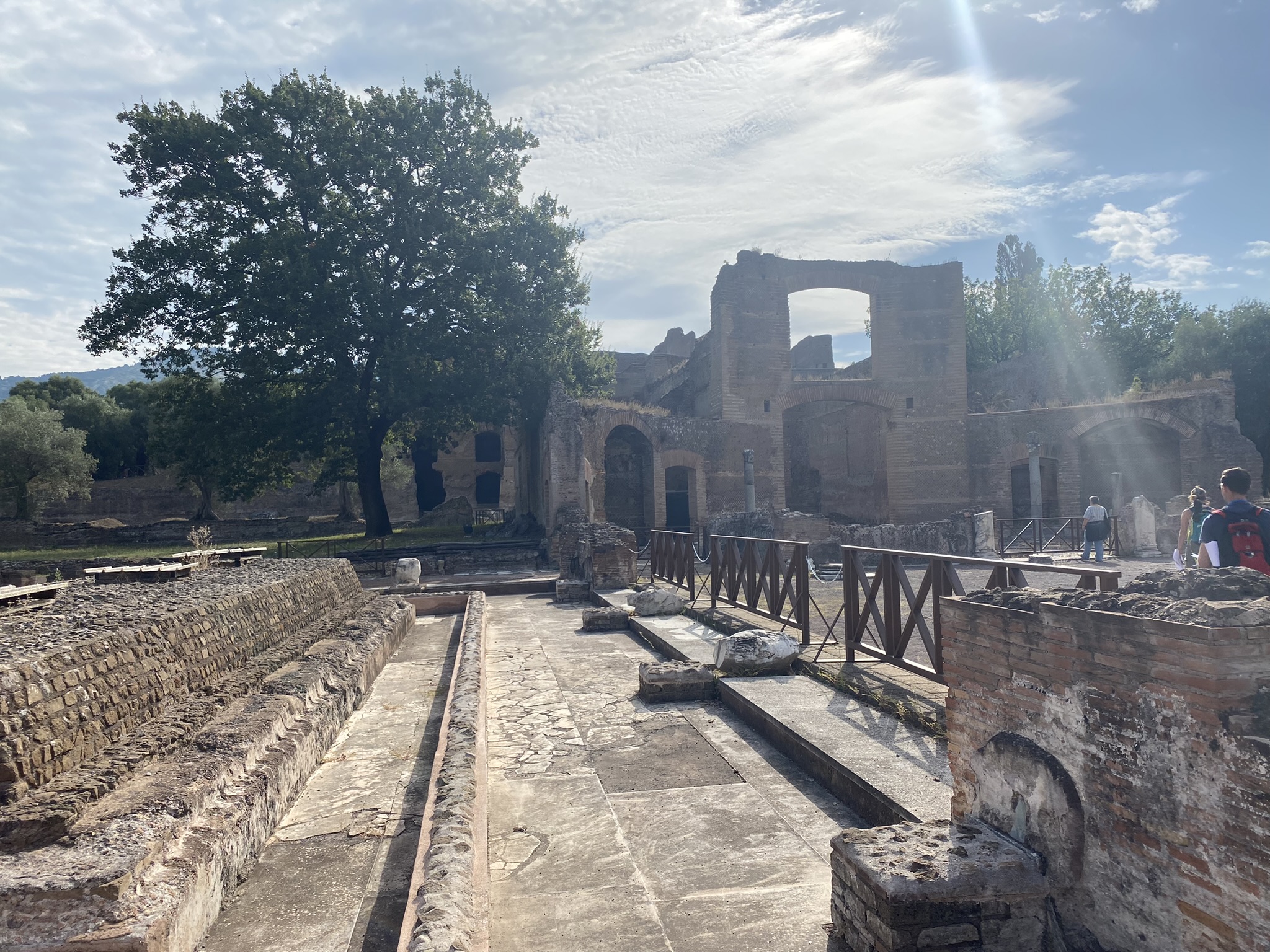
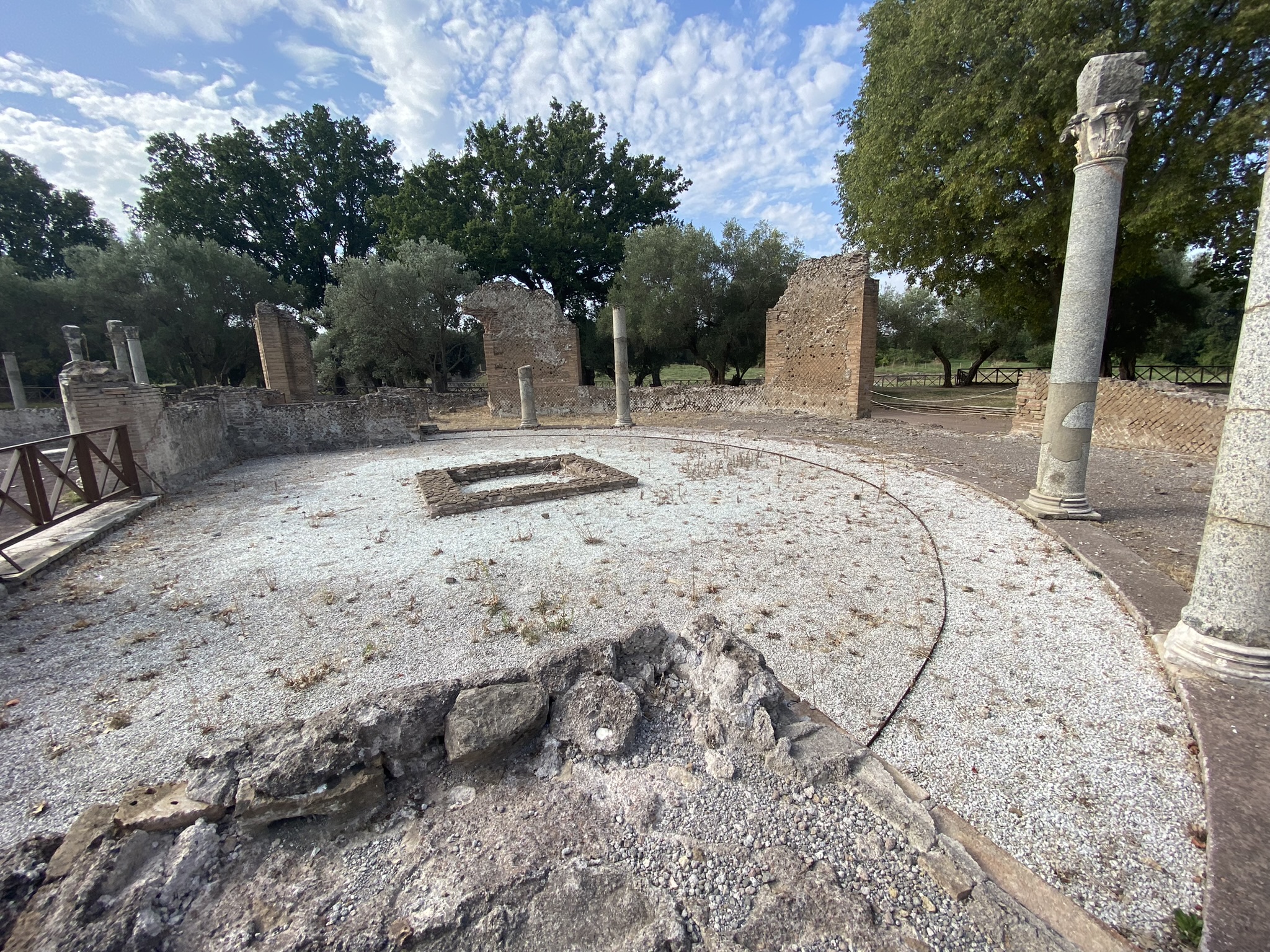
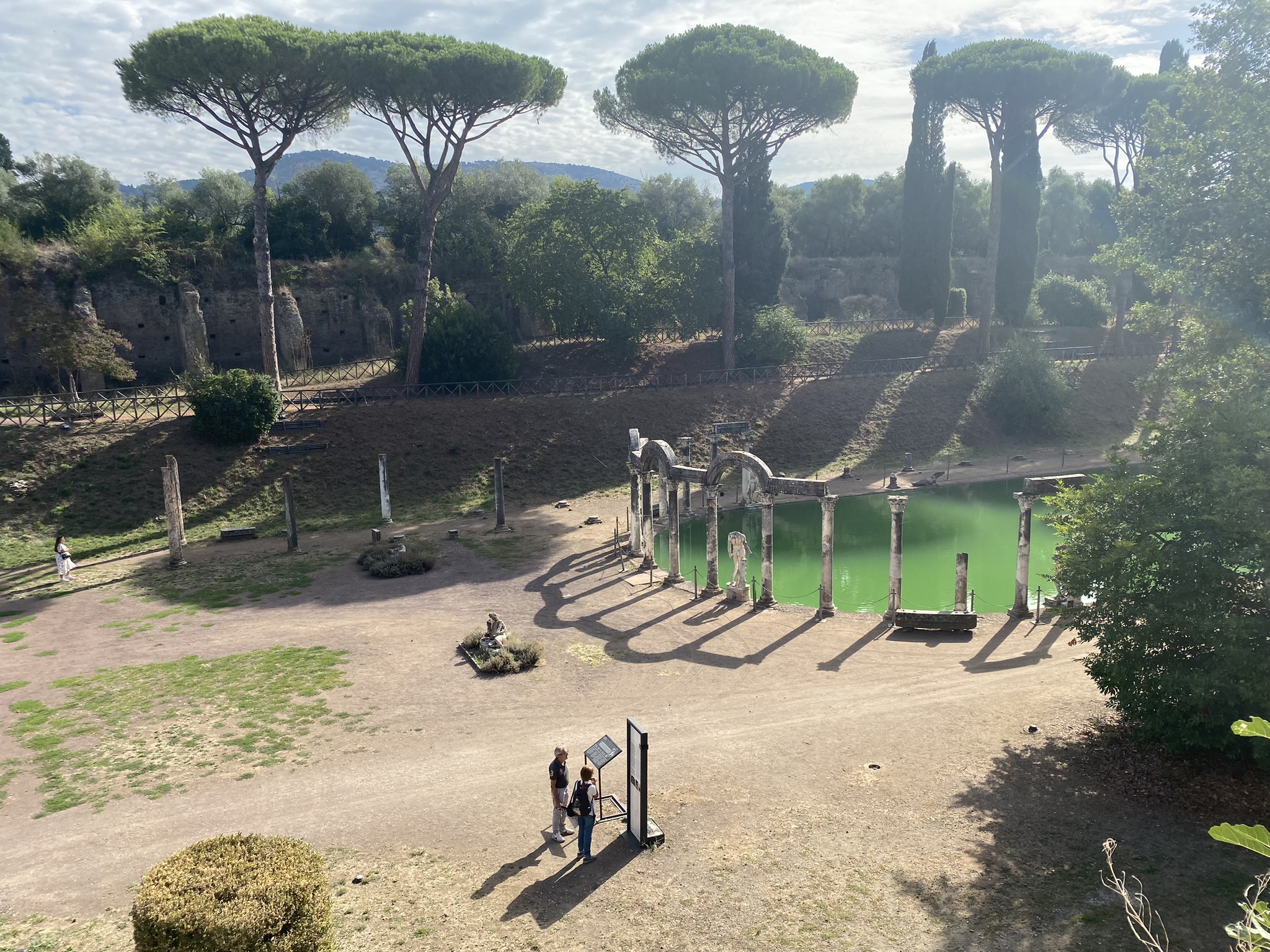
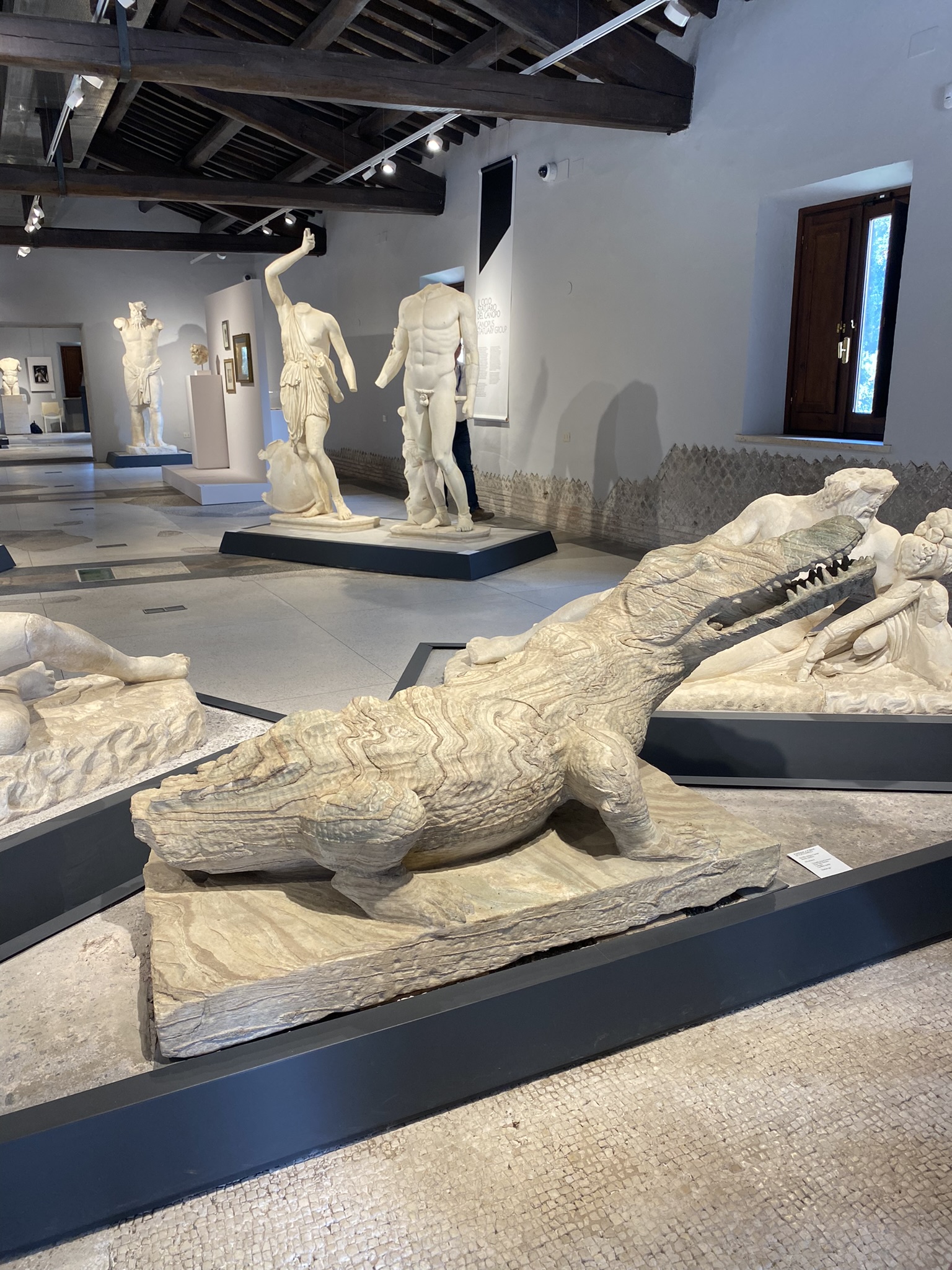
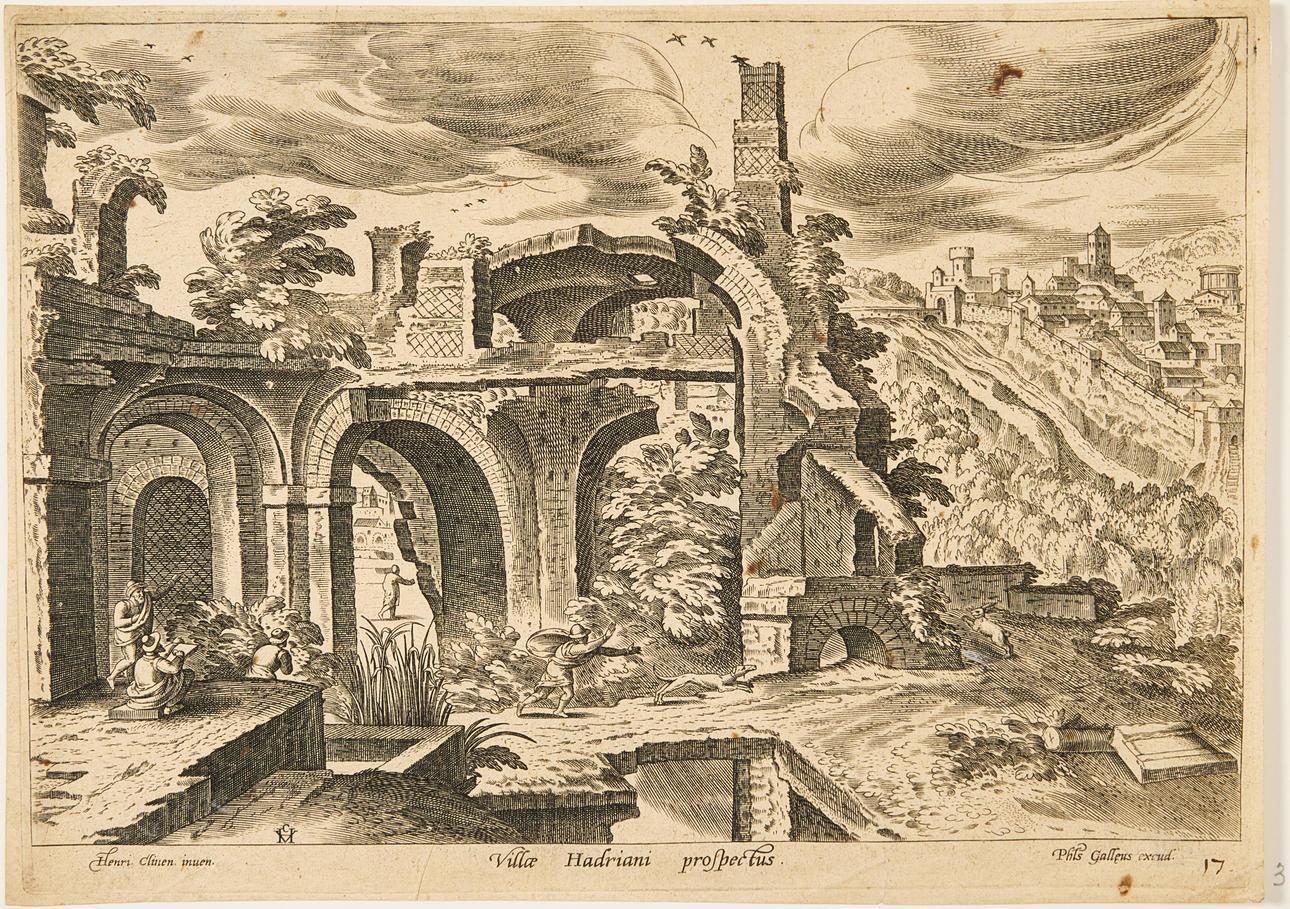
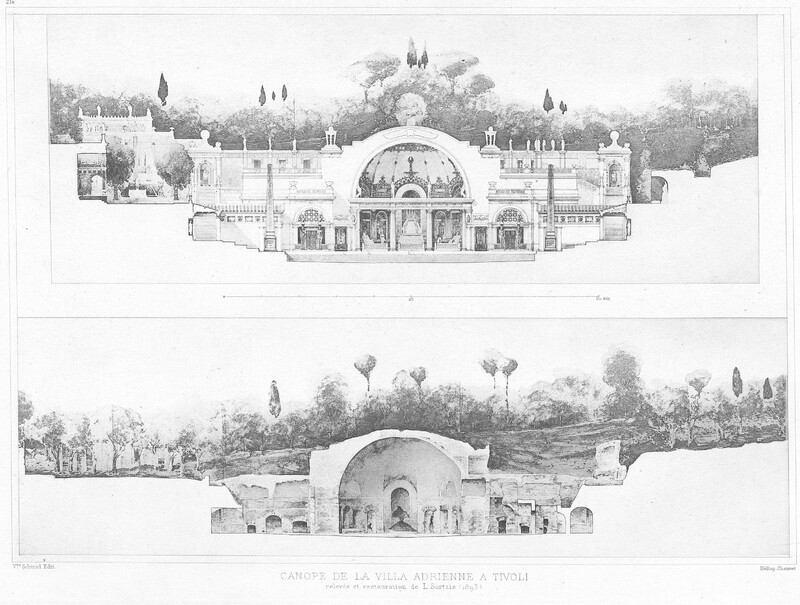
Hadrian’s Villa (Villa Adriana) is an extensive Roman imperial residence built for Emperor Hadrian near the ancient town of Tibur, present-day Tivoli, approximately 30 kilometres east of Rome. Developed principally between AD 118 and 138, it represents one of the most ambitious architectural and landscape complexes of the Roman Empire. The site became a UNESCO World Heritage Site in 1999.
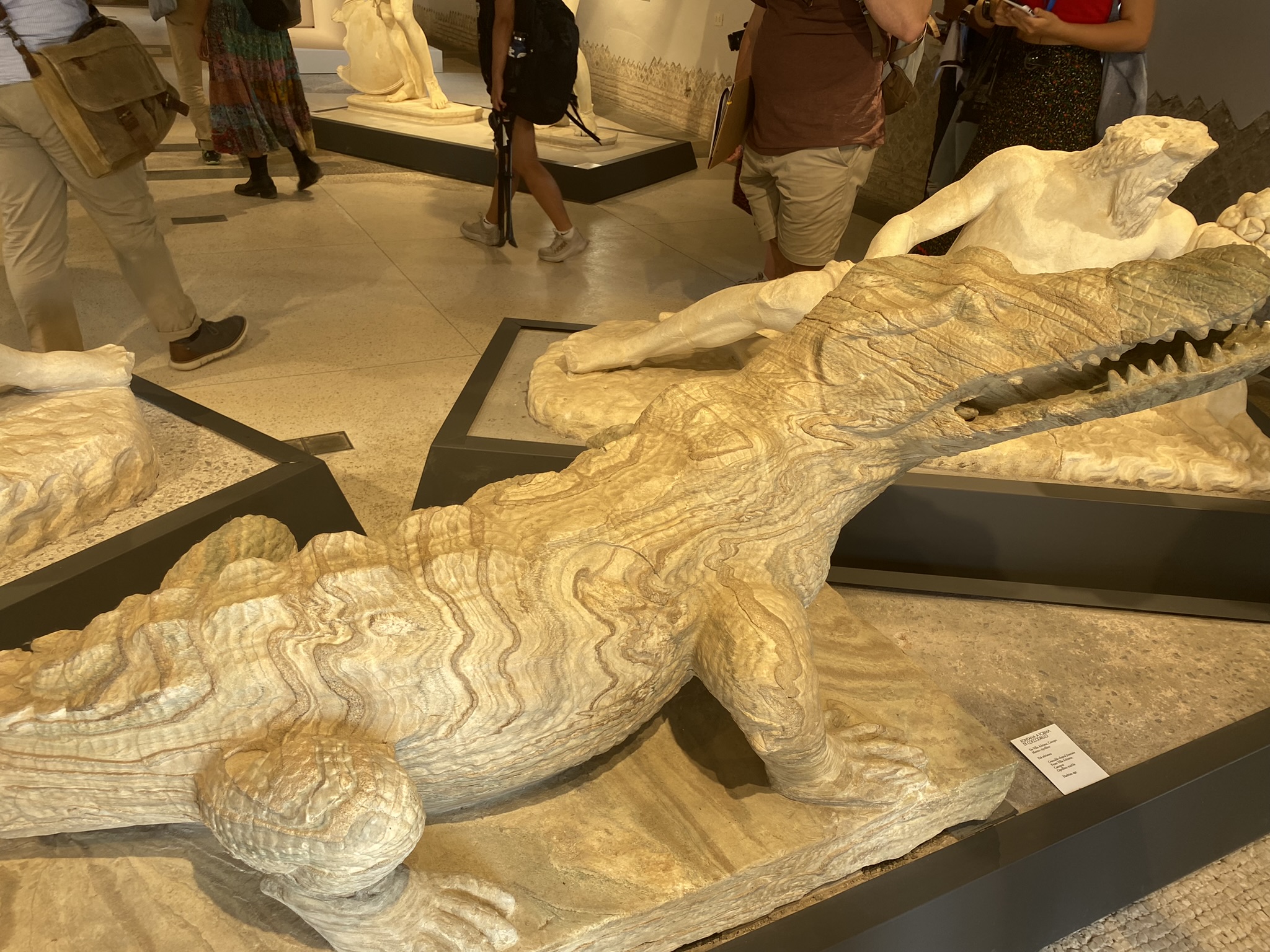
During the early years of Hadrian’s reign, the site began to develop into a major imperial residence. Existing structures were incorporated into a much larger architectural composition.
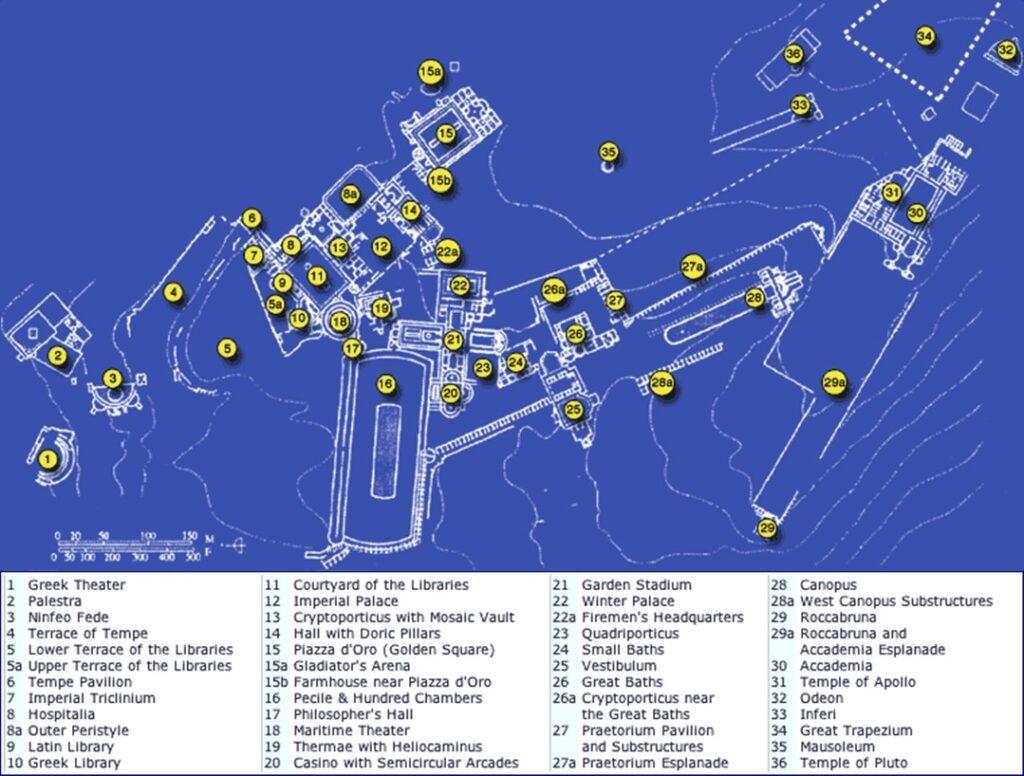
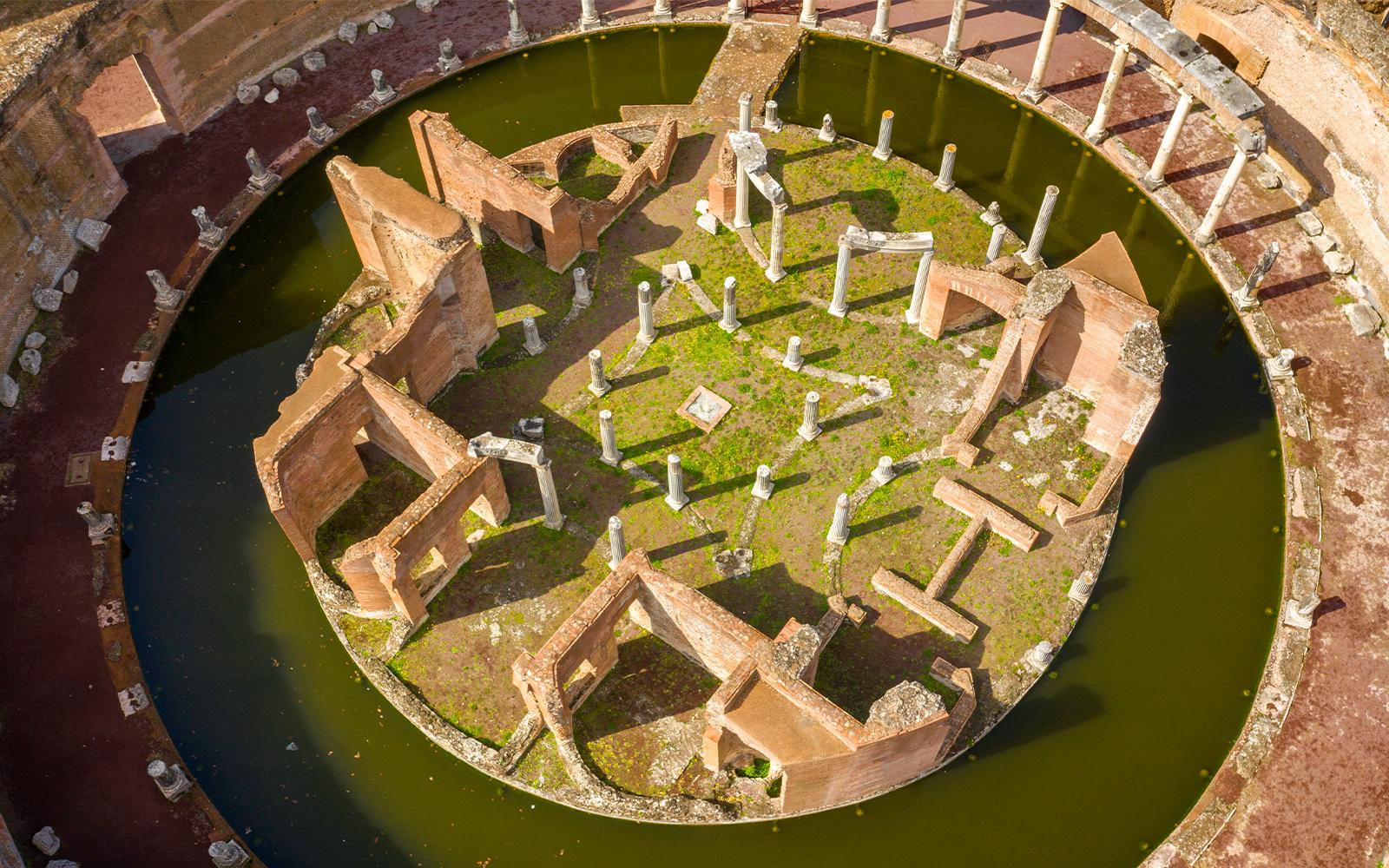
Rather than building a single monumental palace, the project distributed functions among separate buildings and interconnected precincts. This allowed private imperial accommodation, court activities, bathing, entertainment, and gardens to coexist within a controlled landscape. The complex expanded substantially during the later years of Hadrian’s reign. Its buildings demonstrate sophisticated spatial planning, experimentation with curved forms, and the integration of architecture with water and landscape. The Maritime Theatre, Canopus, monumental bathing complexes, and palace precincts illustrate the diversity of the design. Following Hadrian’s death in AD 138, subsequent emperors continued to use and embellish the residence. Over time, however, the complex experienced abandonment, deterioration, and the removal of sculptures and architectural materials.
The site was rediscovered and studied during the Renaissance, inspiring renewed interest in ancient Roman architecture. Its ruins became an important source of architectural knowledge for artists, architects, collectors, and antiquarians.
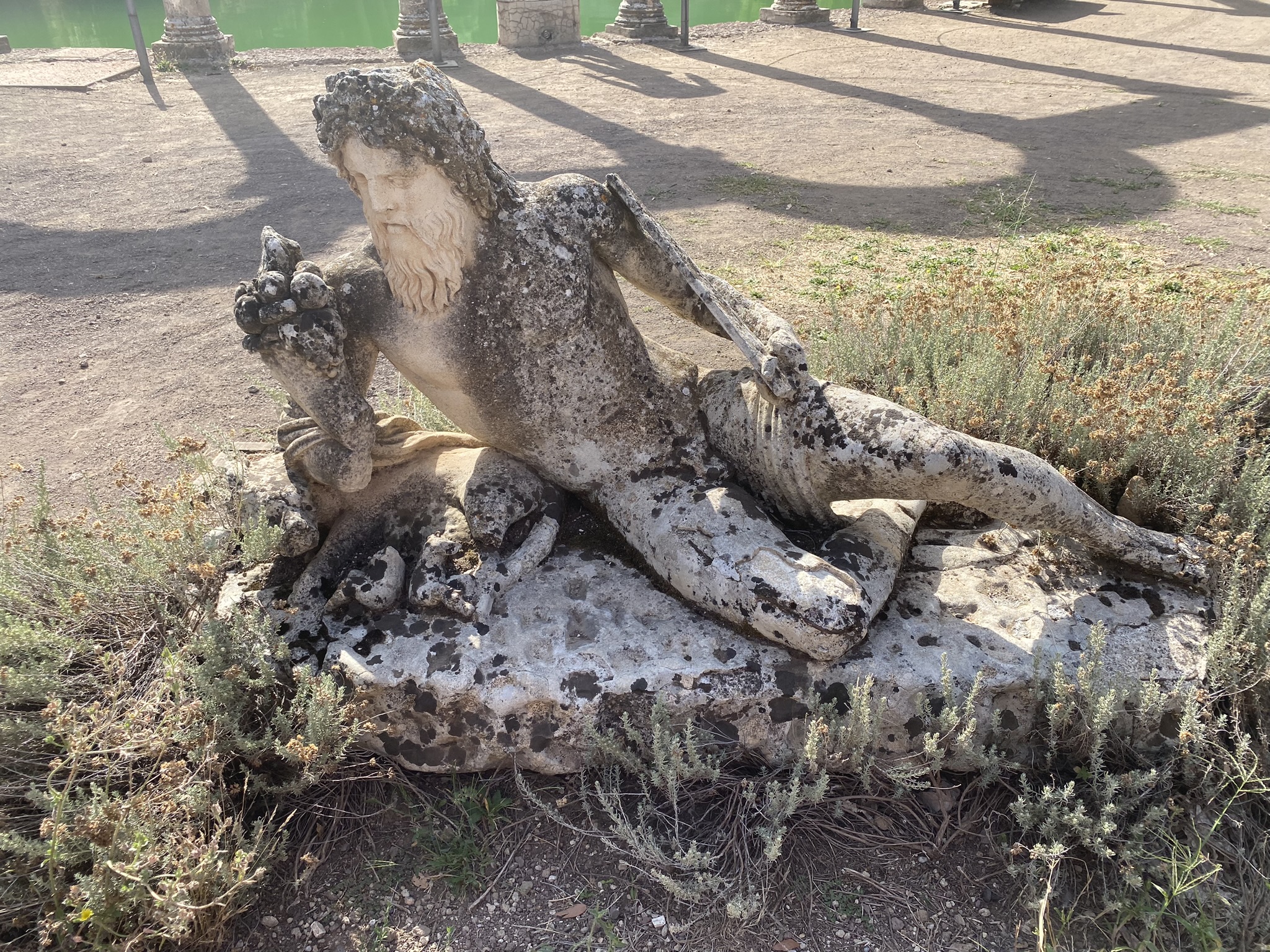
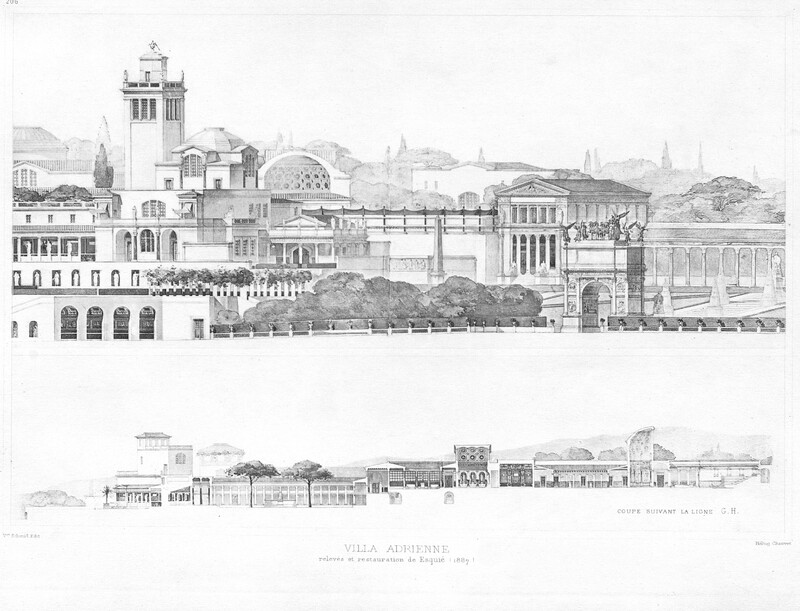
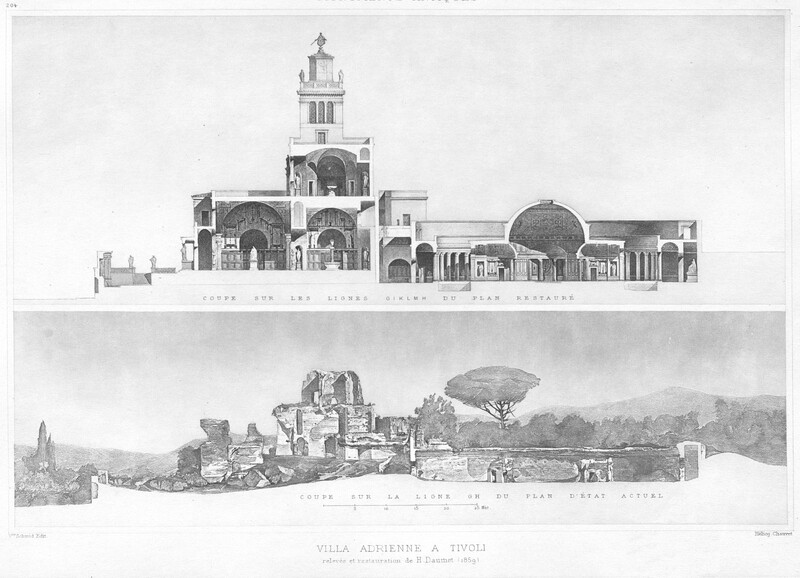
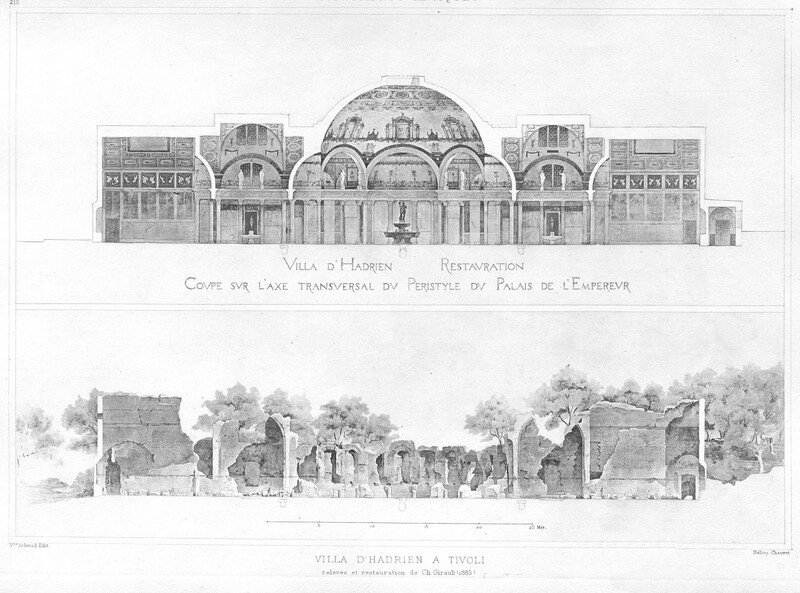
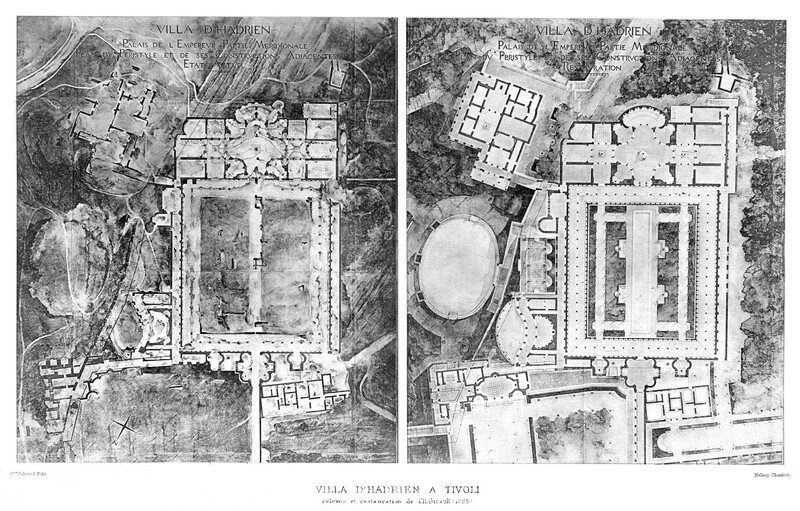
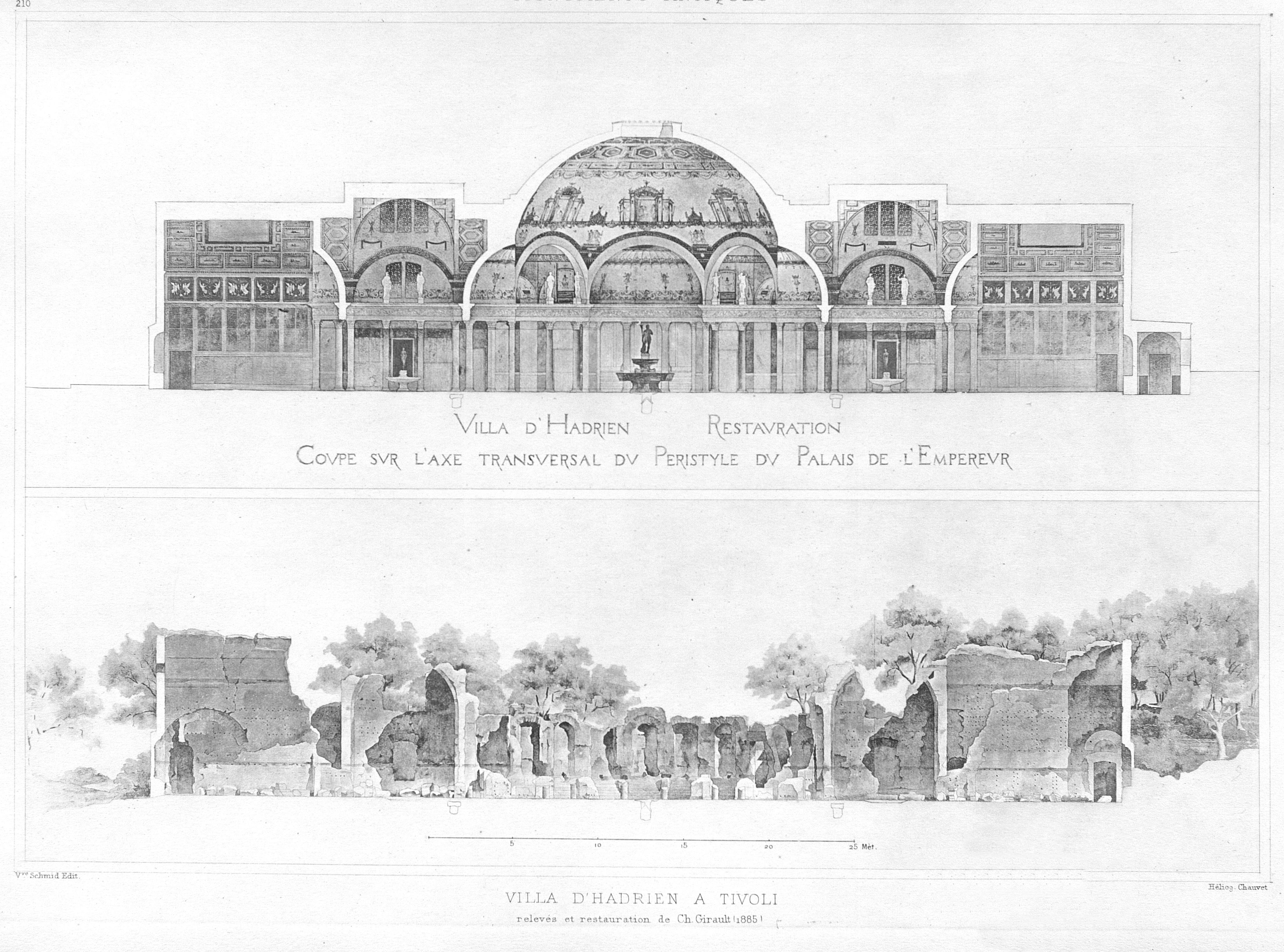
Hadrian’s Villa became an important source of knowledge about Roman architectural planning and decoration after its rediscovery during the Renaissance. Its remains attracted architects and antiquarians who studied its plans, vaults, decorative elements, and spatial arrangements.
UNESCO specifically recognizes the villa’s influence on the rediscovery of classical architecture during the Renaissance and Baroque periods, as well as its continuing impact on later architects and designers.
Article Curated by
Picture Gallery
About Architecture Office