Capitoline Hill (Campidoglio) - Roma, Italy
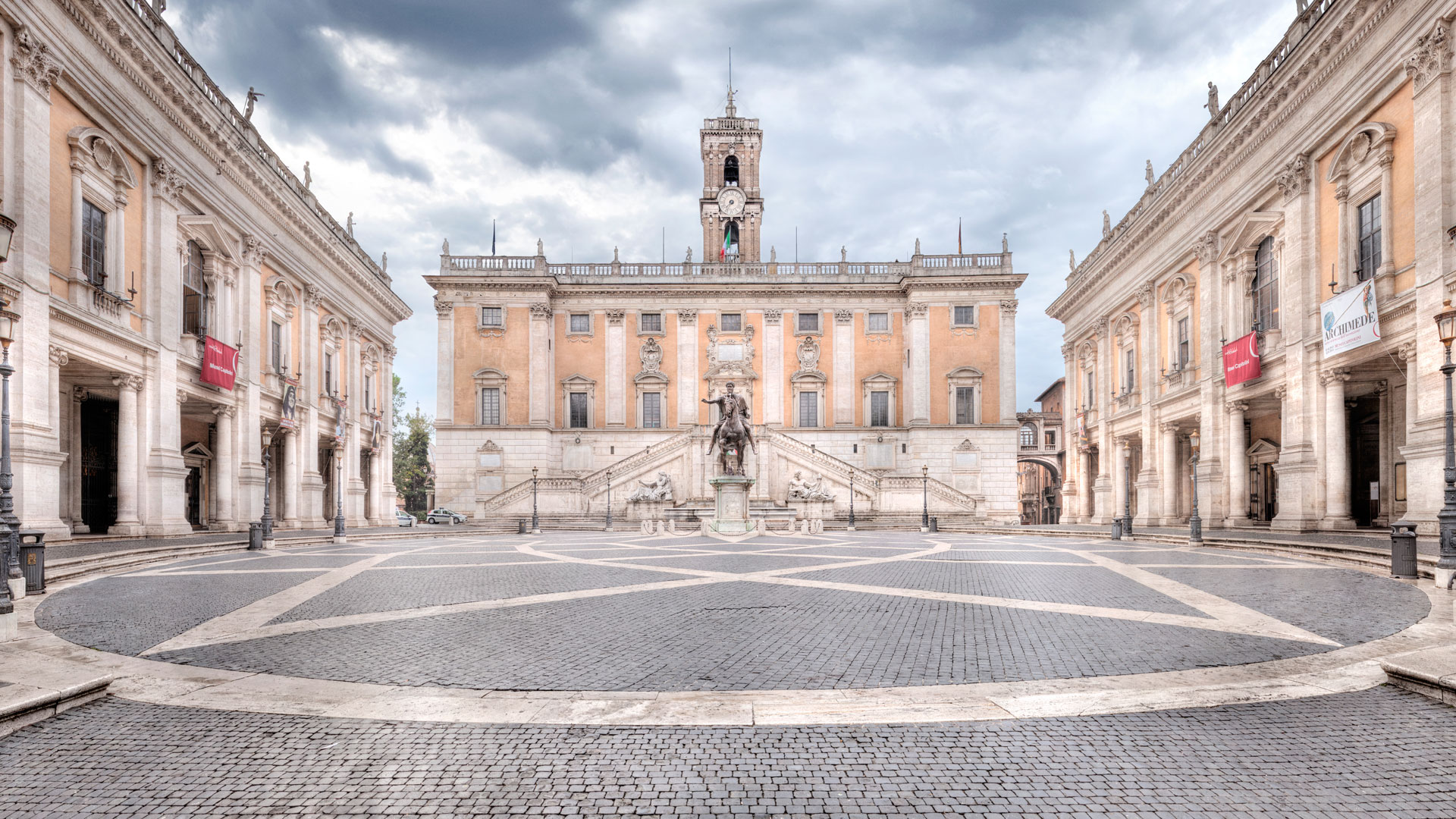
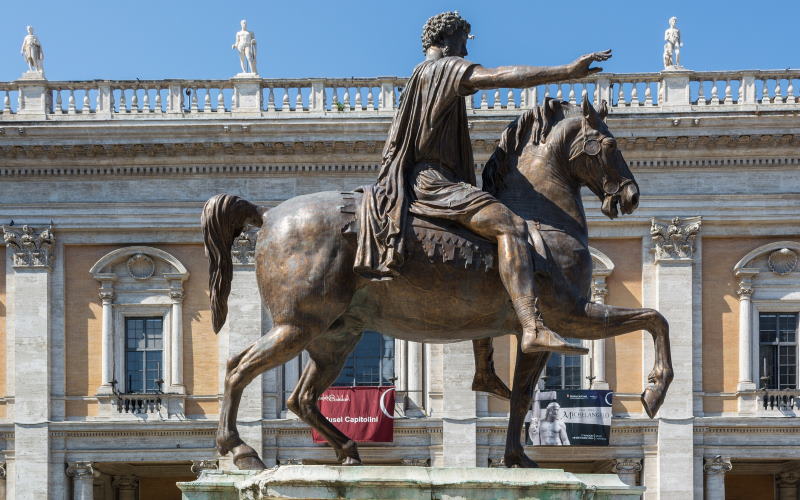
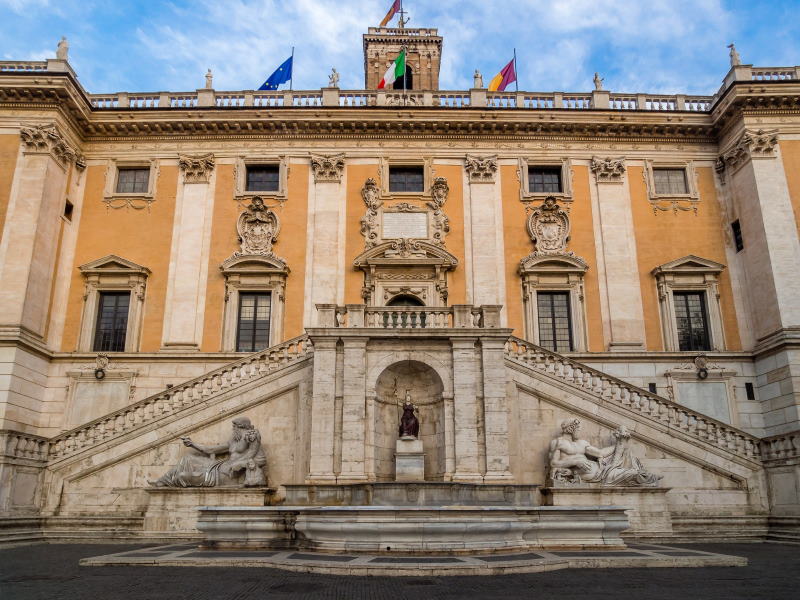
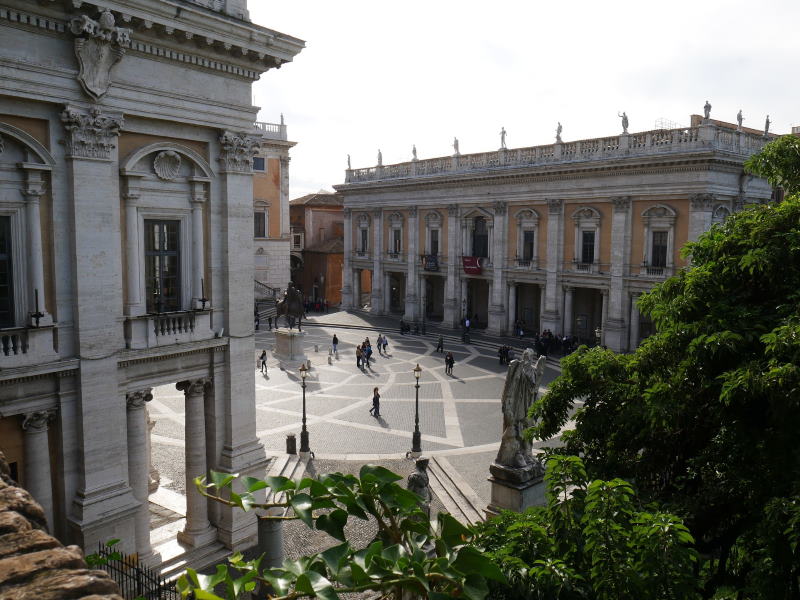
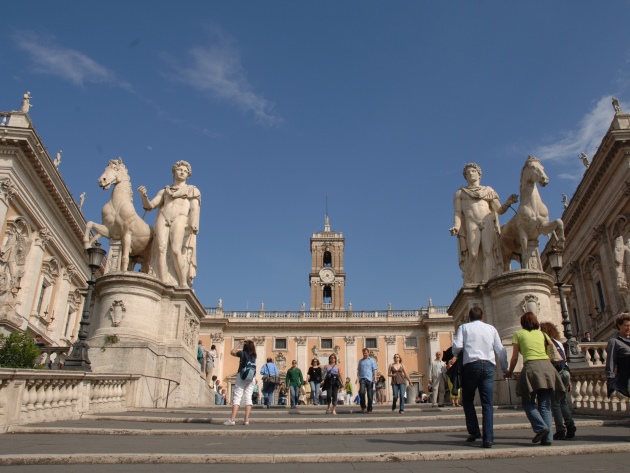
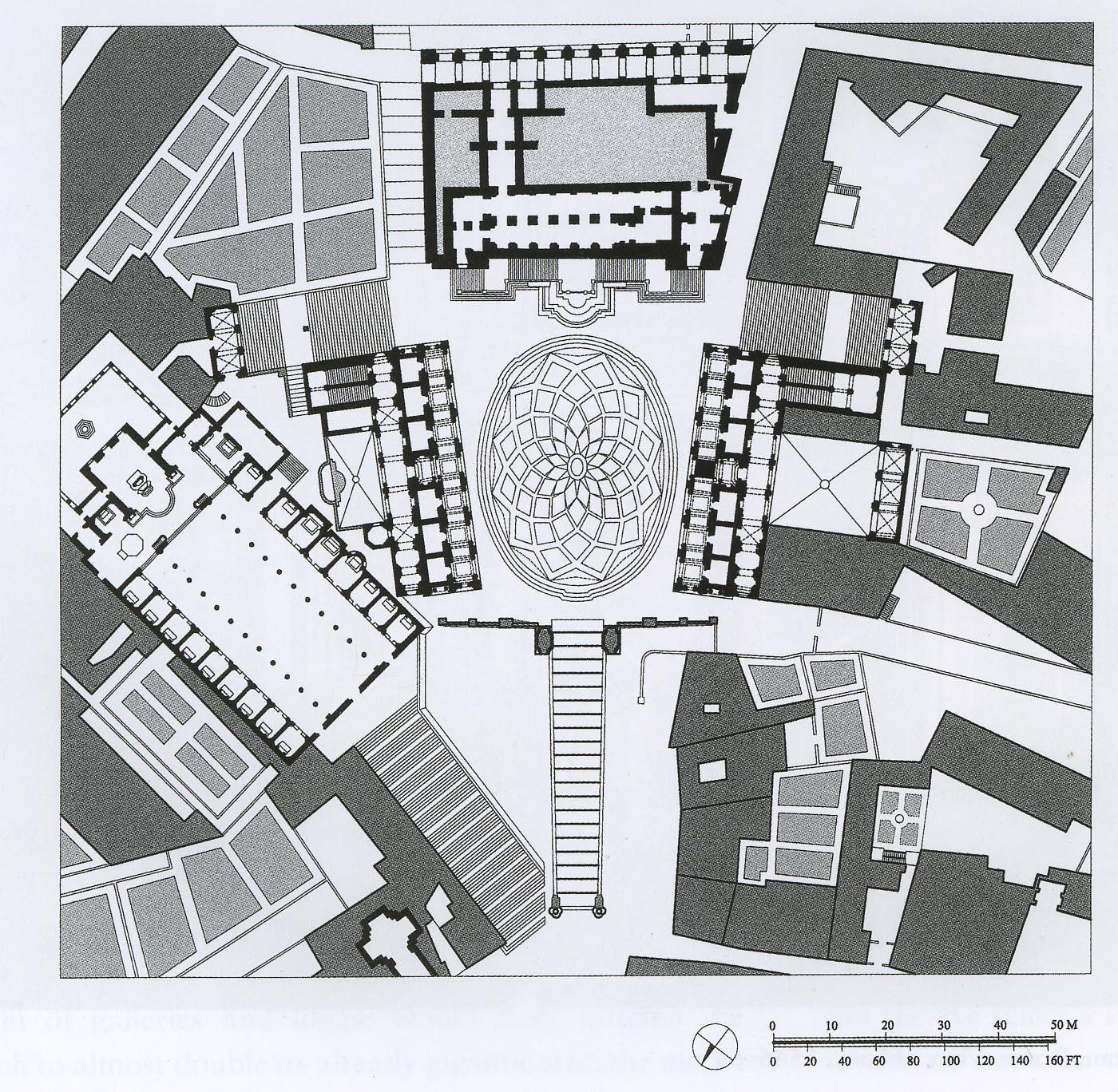
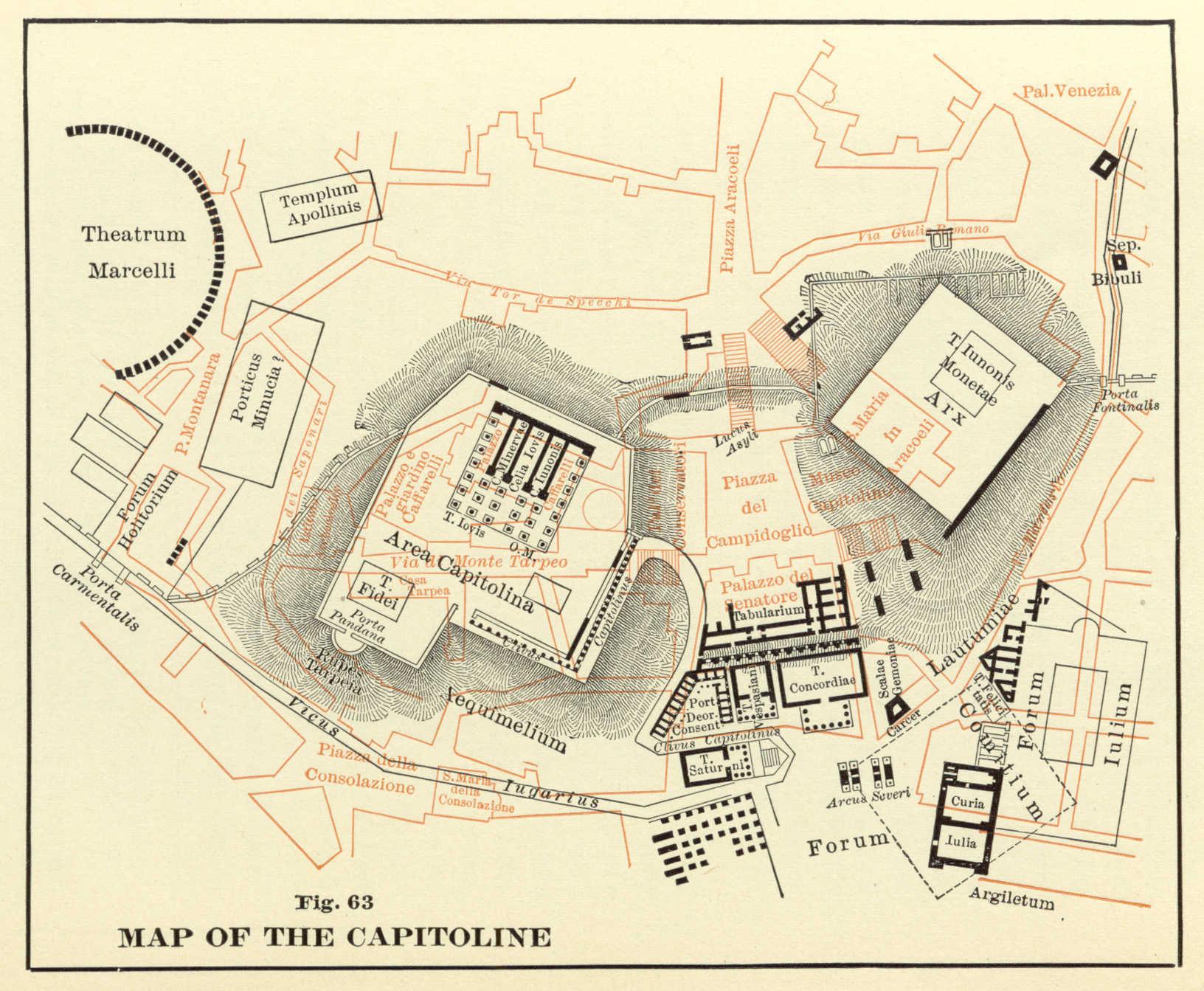
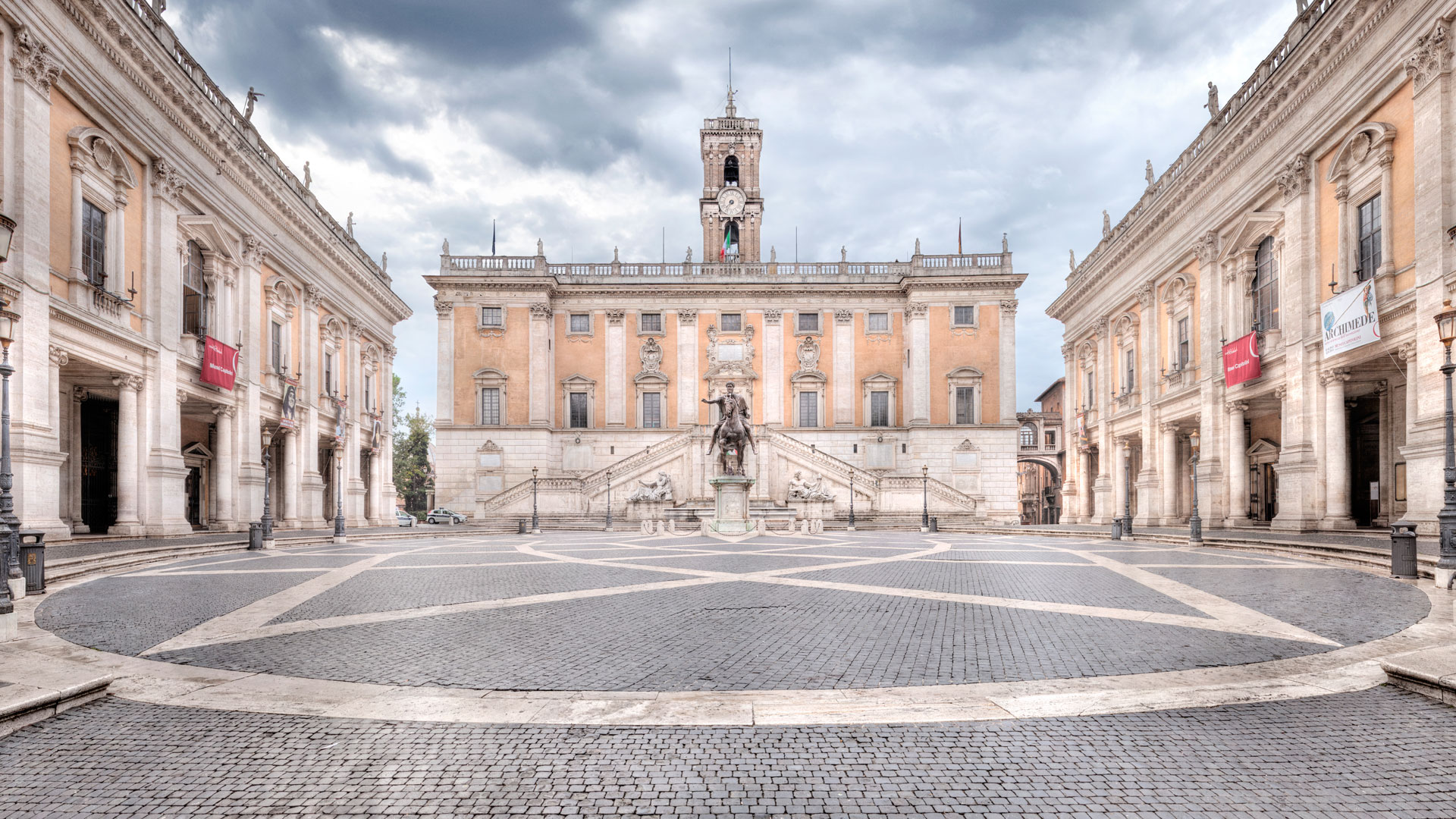
The Capitoline Hill (Campidoglio in Italian; Capitolium in Latin) is one of the seven traditional hills of Rome and among the most historically significant urban sites in Western civilization. It served successively as a religious sanctuary in ancient Rome, a seat of medieval municipal government, and a Renaissance symbol of civic authority. Today, it is home to Rome’s City Hall and the Capitoline Museums. he hill’s steep slopes and commanding position above the Tiber made it a natural defensive stronghold. In antiquity it comprised two elevated areas, the Capitolium and the Arx, separated by a valley that corresponds broadly to the location of today’s Piazza del Campidoglio.
Its most important sanctuary was the Temple of Jupiter Optimus Maximus, dedicated to Jupiter, Juno, and Minerva. The temple was traditionally inaugurated in 509 BC, at the beginning of the Roman Republic. The Capitoline developed beyond a religious precinct into a center of public memory and civic administration. The Tabularium, the ancient state archive, occupied the hill’s slope overlooking the Roman Forum. Its surviving architectural remains and arched facade still contribute to the hill’s historic fabric. The area contained temples, monuments, statues, and ceremonial spaces, connecting religion, government, and the public representation of Roman power. The Temple of Jupiter was repeatedly damaged by fire and rebuilt, including after major fires in 83 BC and AD 80.
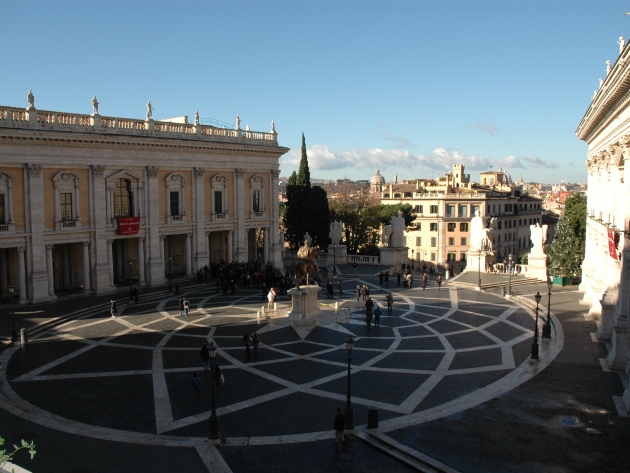
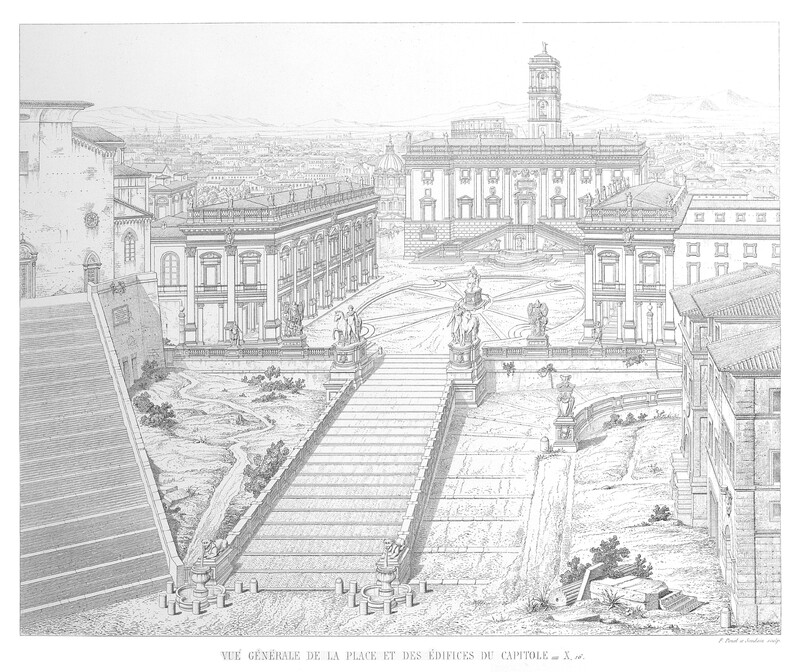
In 1536–1537, Pope Paul III commissioned Michelangelo to reorganize the neglected Capitoline complex, in part to prepare Rome for the visit of Emperor Charles V. Work began around 1540 and continued long after Michelangelo’s death.
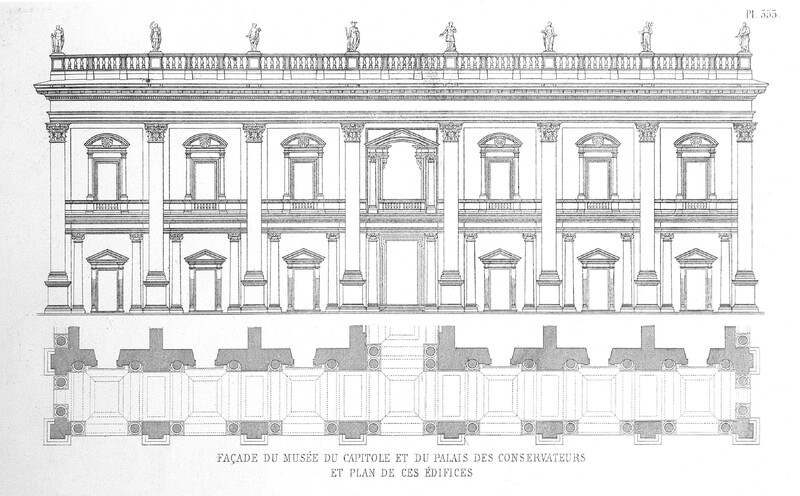
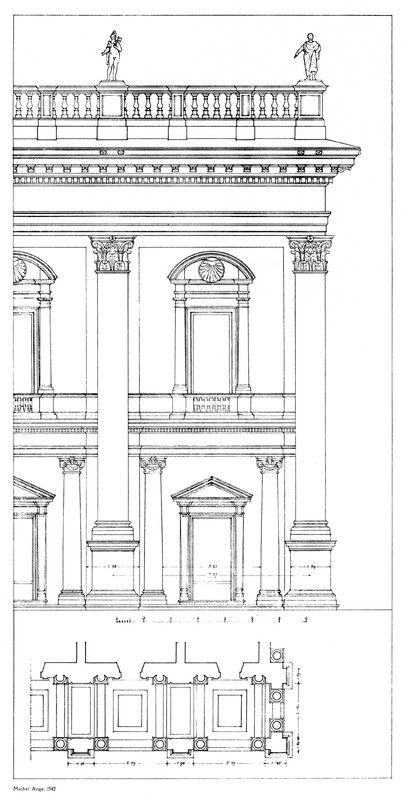
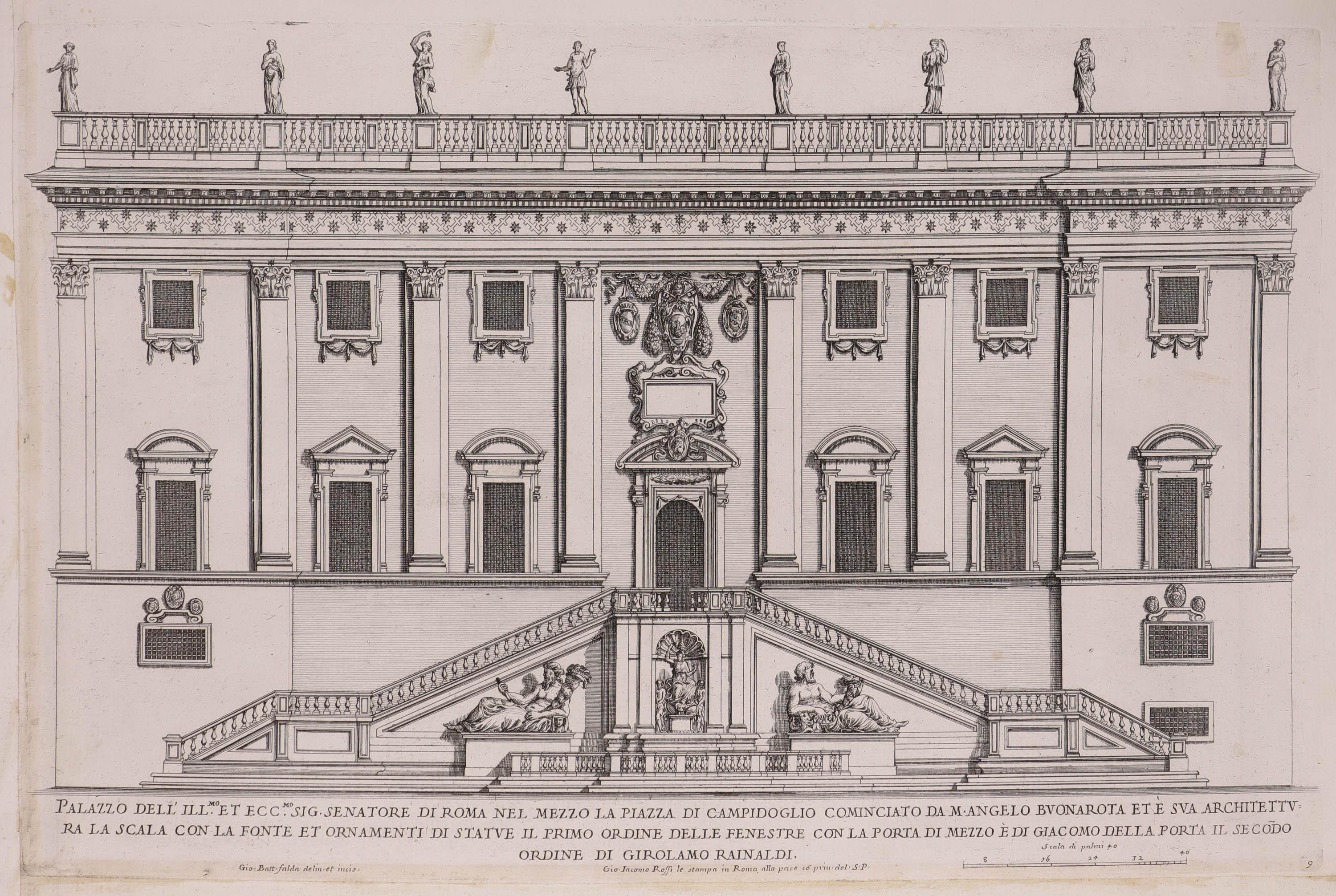
Michelangelo reoriented the ensemble toward the developing civic city rather than making the Roman Forum the principal focus. He redesigned Palazzo dei Conservatori, reshaped Palazzo Senatorio’s monumental front, introduced Palazzo Nuovo opposite the existing palace, and planned the central square as a coordinated architectural composition. Michelangelo’s plan was carried forward by architects including Giacomo della Porta and Carlo Rainaldi. The principal development of the square was completed around 1655, although elements were modified and added over subsequent centuries. The Capitoline Museums trace their origin to 1471, when Pope Sixtus IV donated a collection of bronze sculptures to the people of Rome.
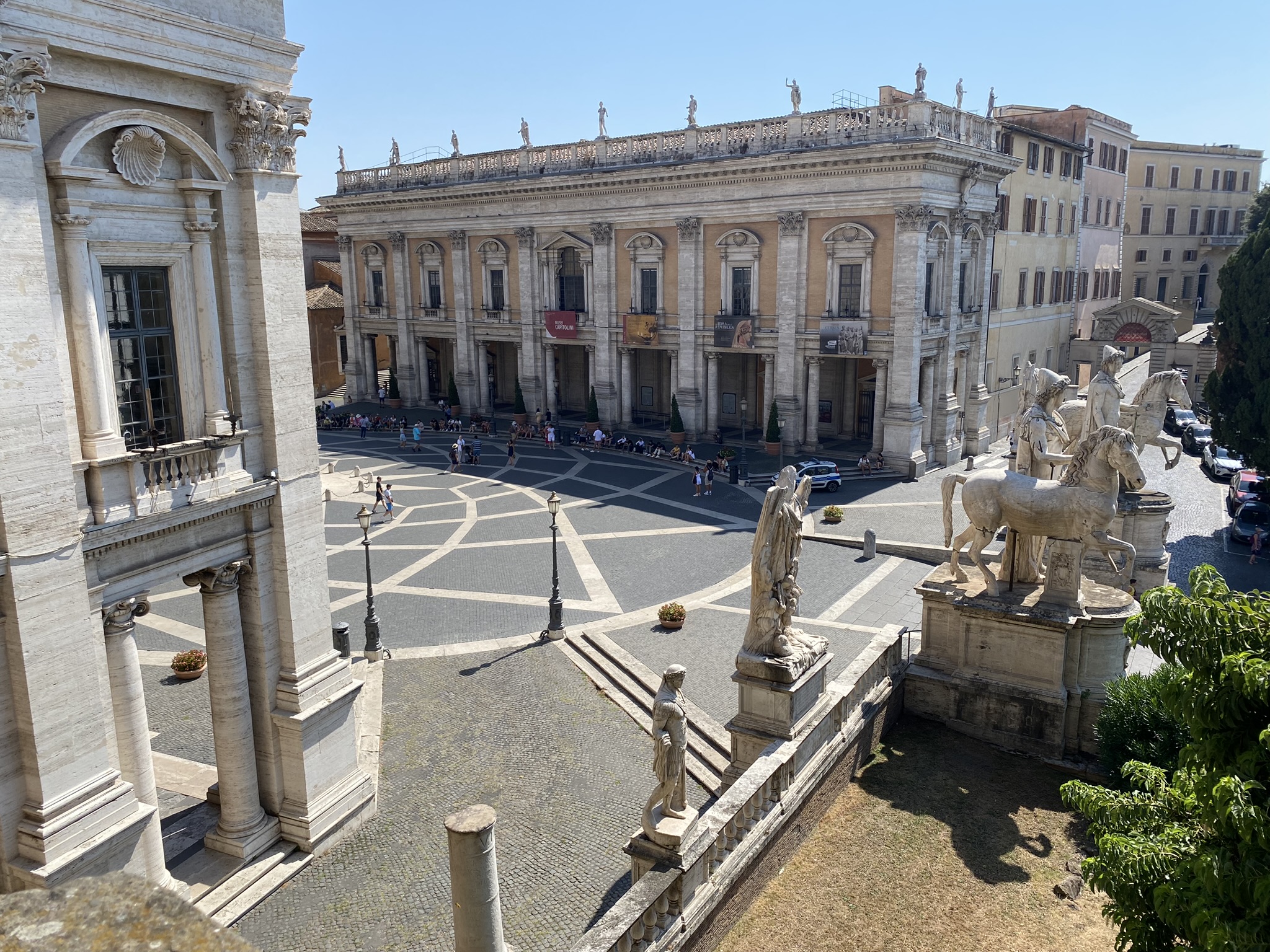
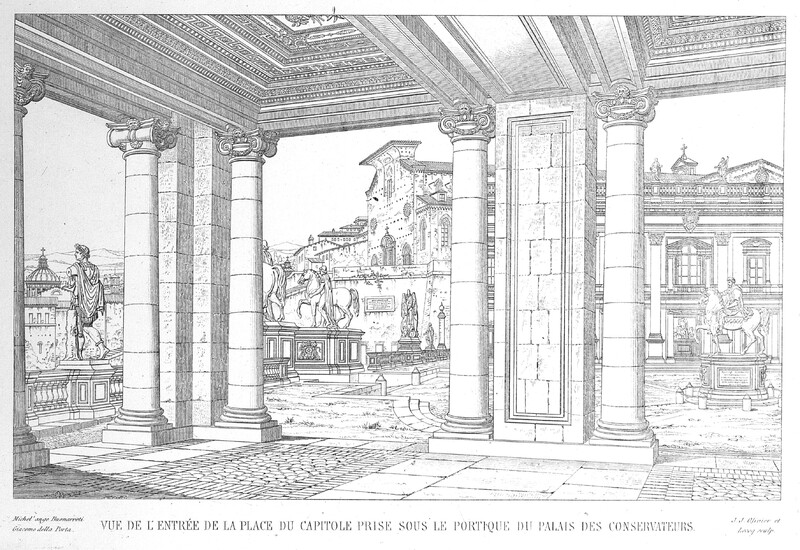
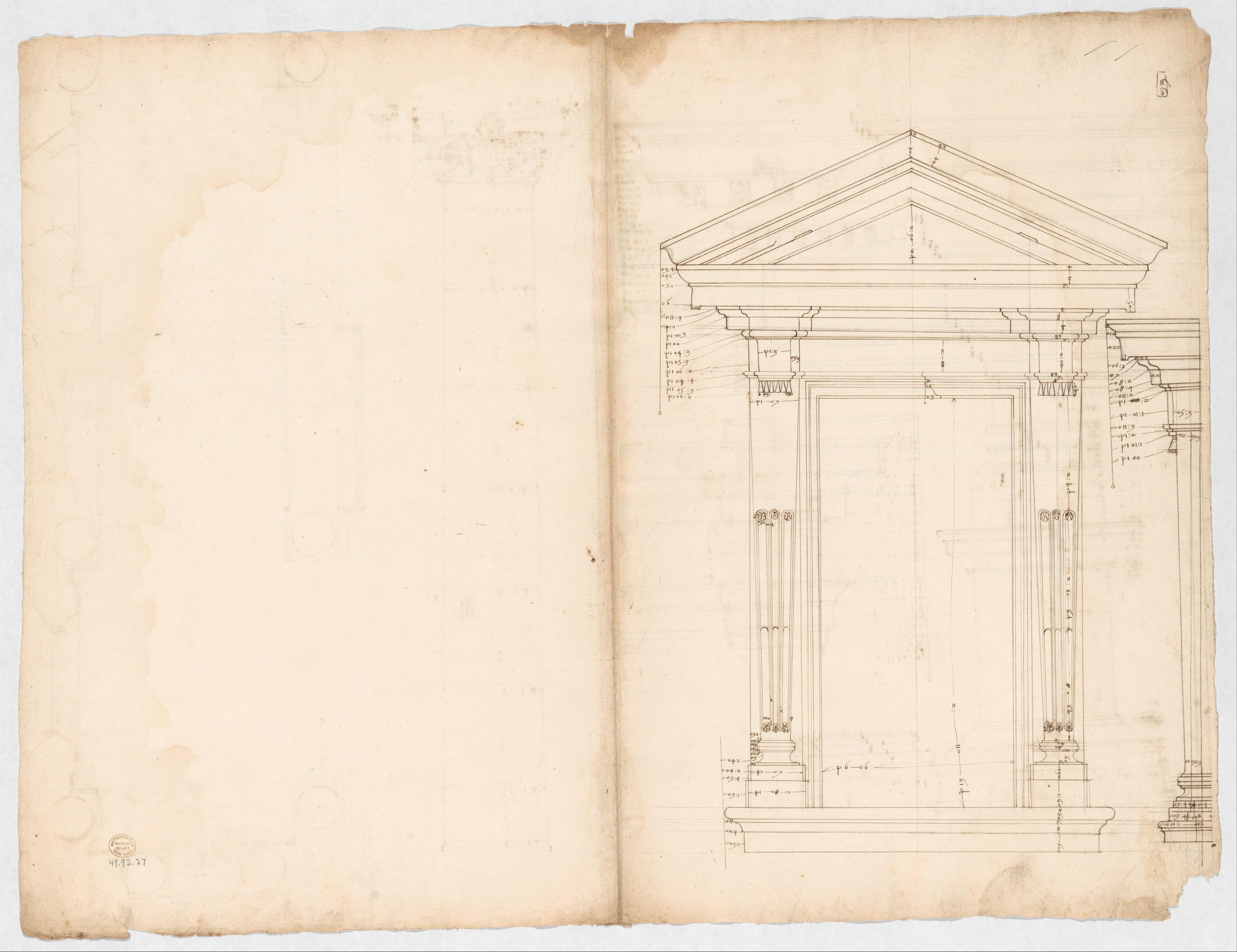
The Capitoline redesign is significant because it treats architecture, landscape, circulation, and public space as interdependent parts of one project.
Its enduring lessons include:
- Contextual transformation: Michelangelo adapted medieval and ancient structures instead of replacing the entire historic site.
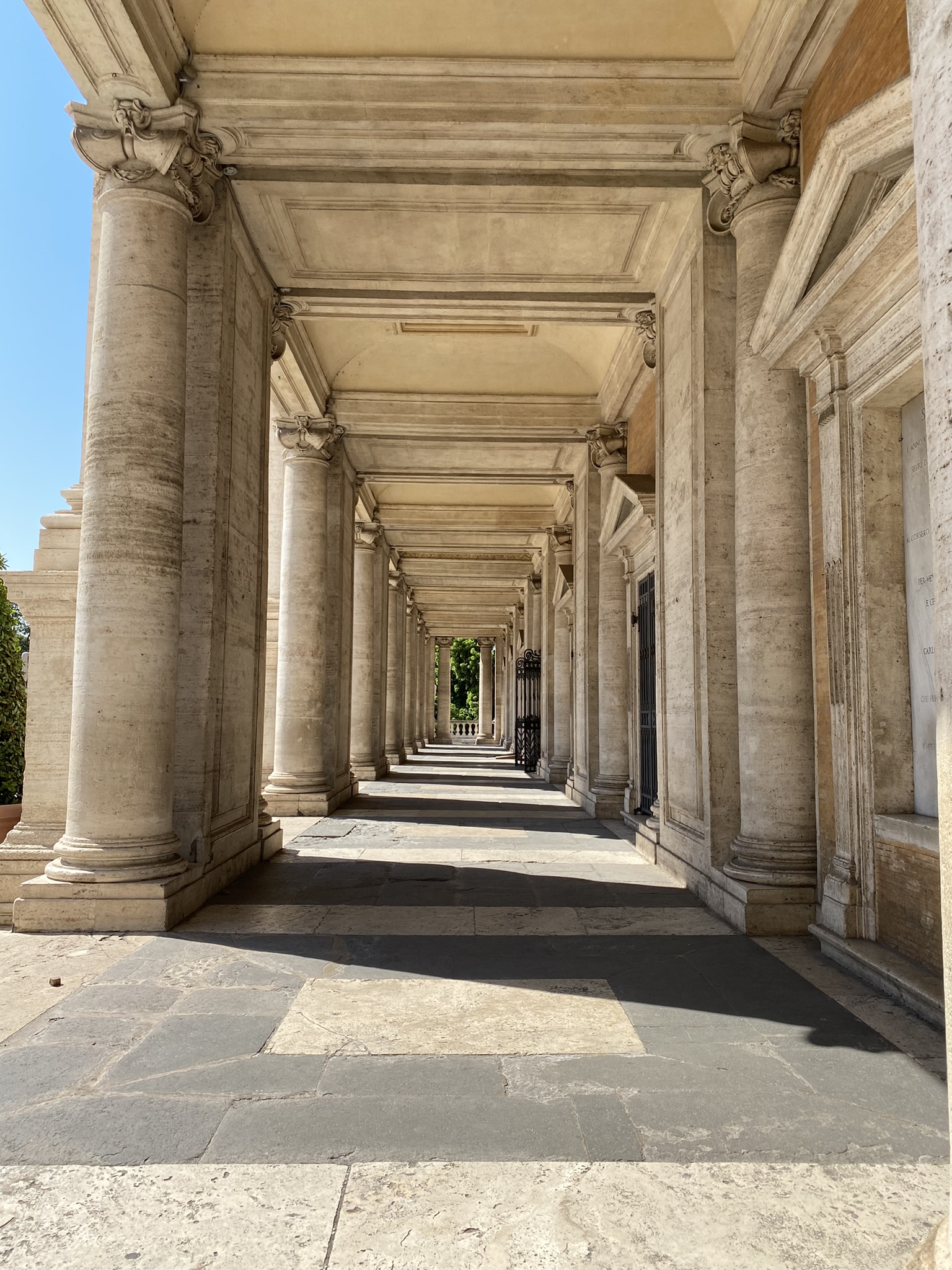
- Coordinated facades: The surrounding buildings share a common architectural language despite differences in their origins.
- Monumental public space: The piazza uses geometry and enclosure to create a recognizable civic identity.
- Ceremonial circulation: The Cordonata transforms a practical route into a staged urban experience.
- Adaptive reuse: Historic structures now accommodate contemporary municipal and museum functions.
The Capitoline became an influential reference for European civic squares, particularly in its integration of monumental architecture and a carefully composed public realm. Its importance lies as much in the design of the space between buildings as in the architecture of the buildings themselves
Article Curated by
Picture Gallery
About Architecture Office