Cathedral of Santa Maria del Fiore - Florence, Tuscany, Italy
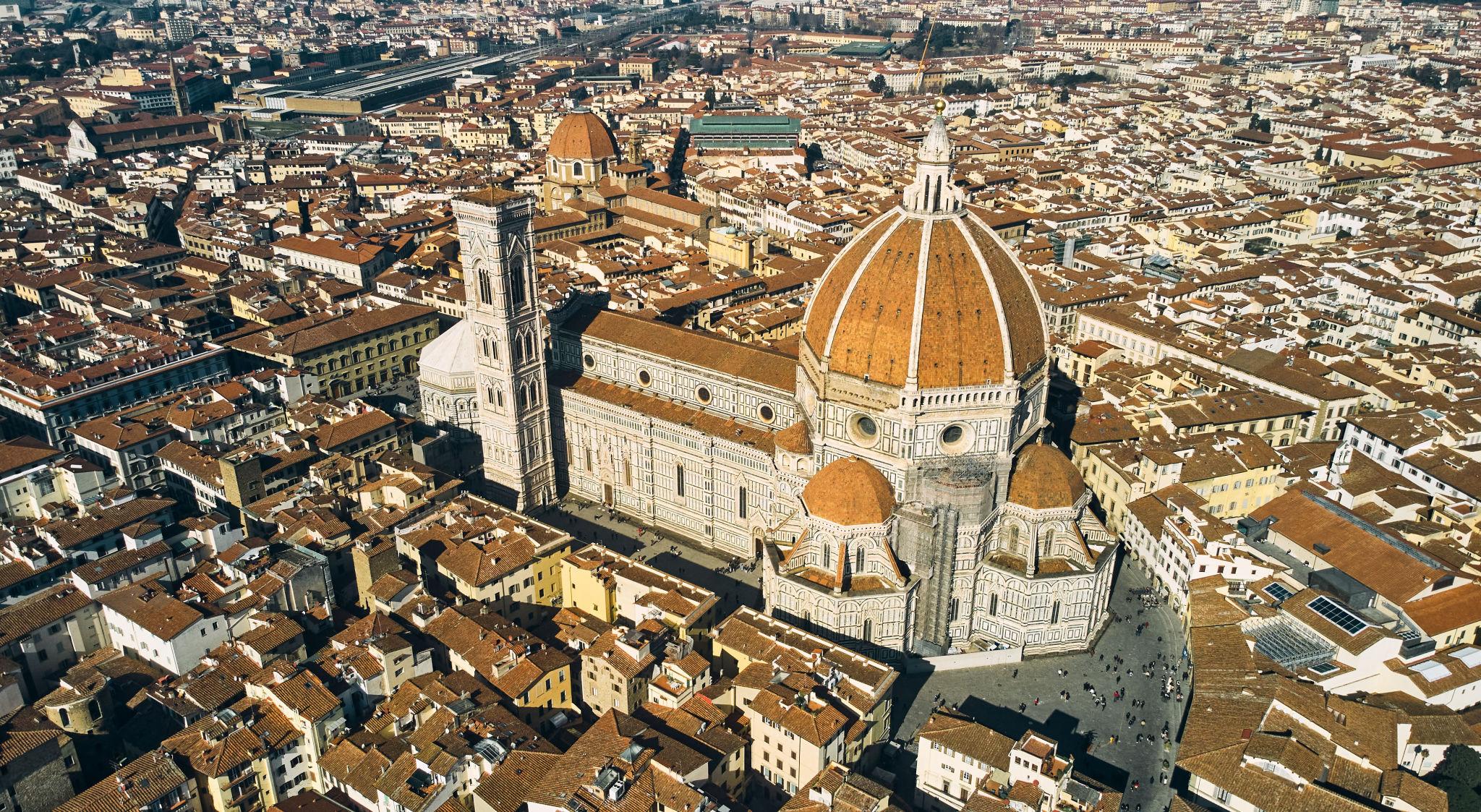
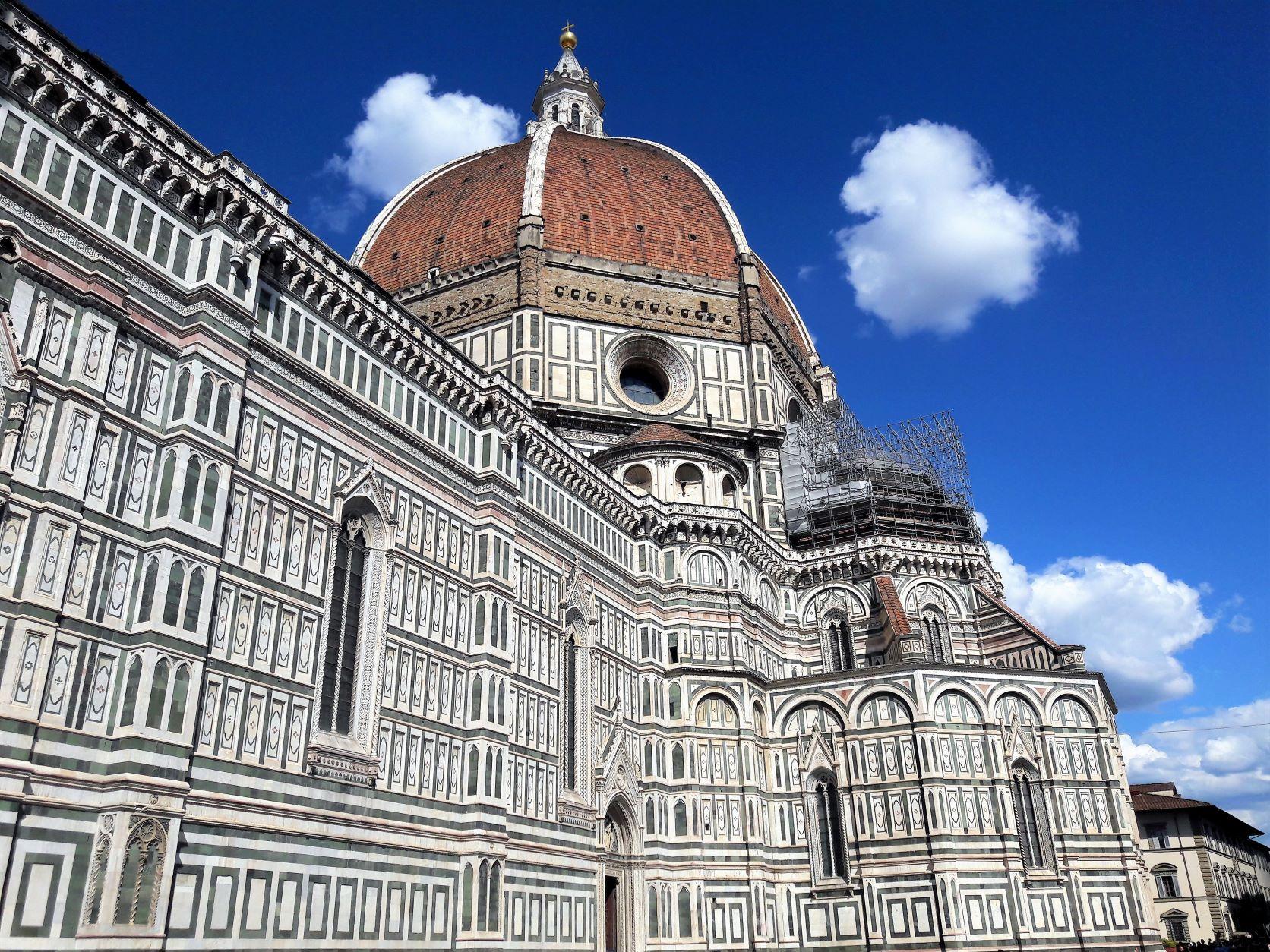
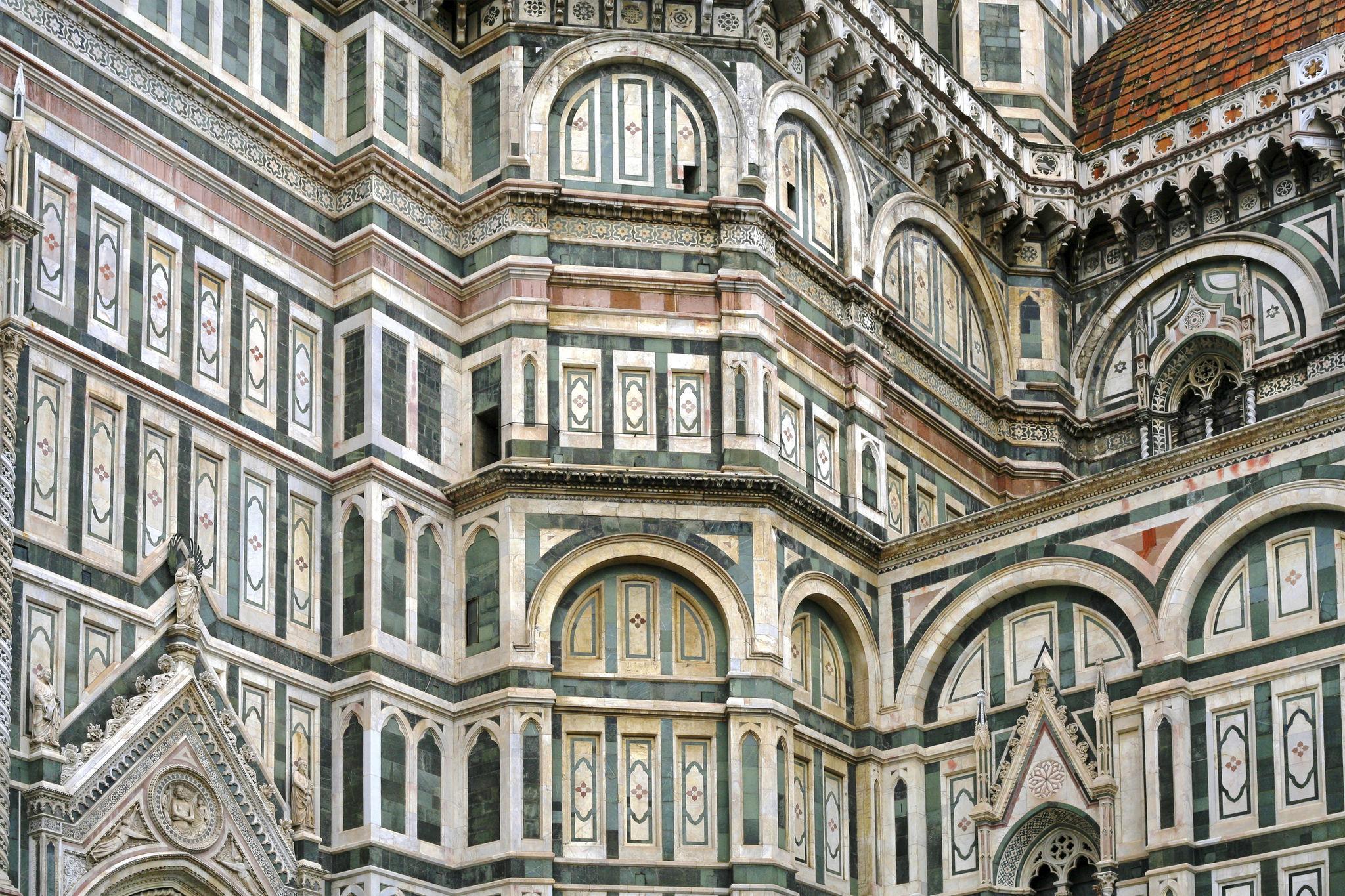
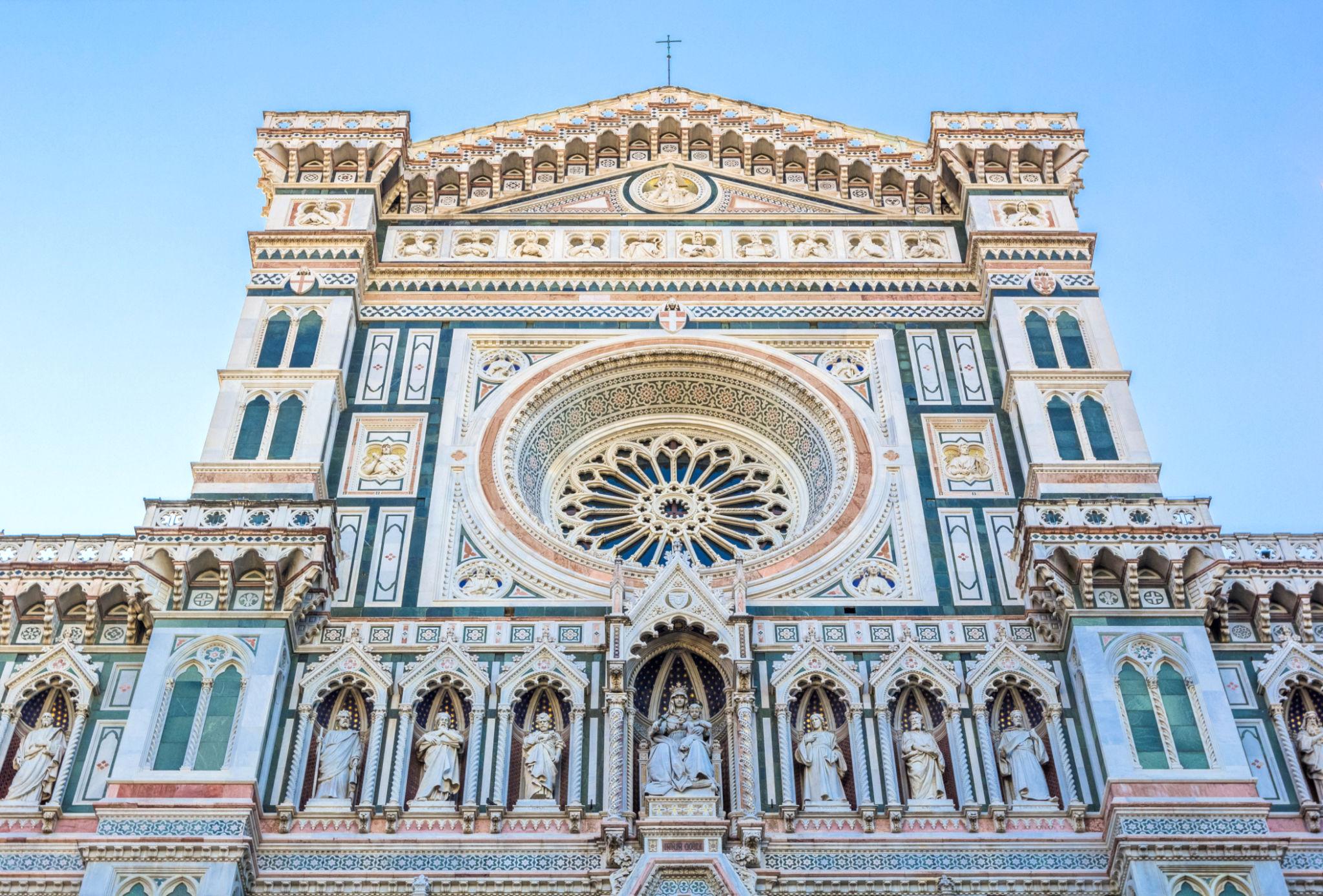
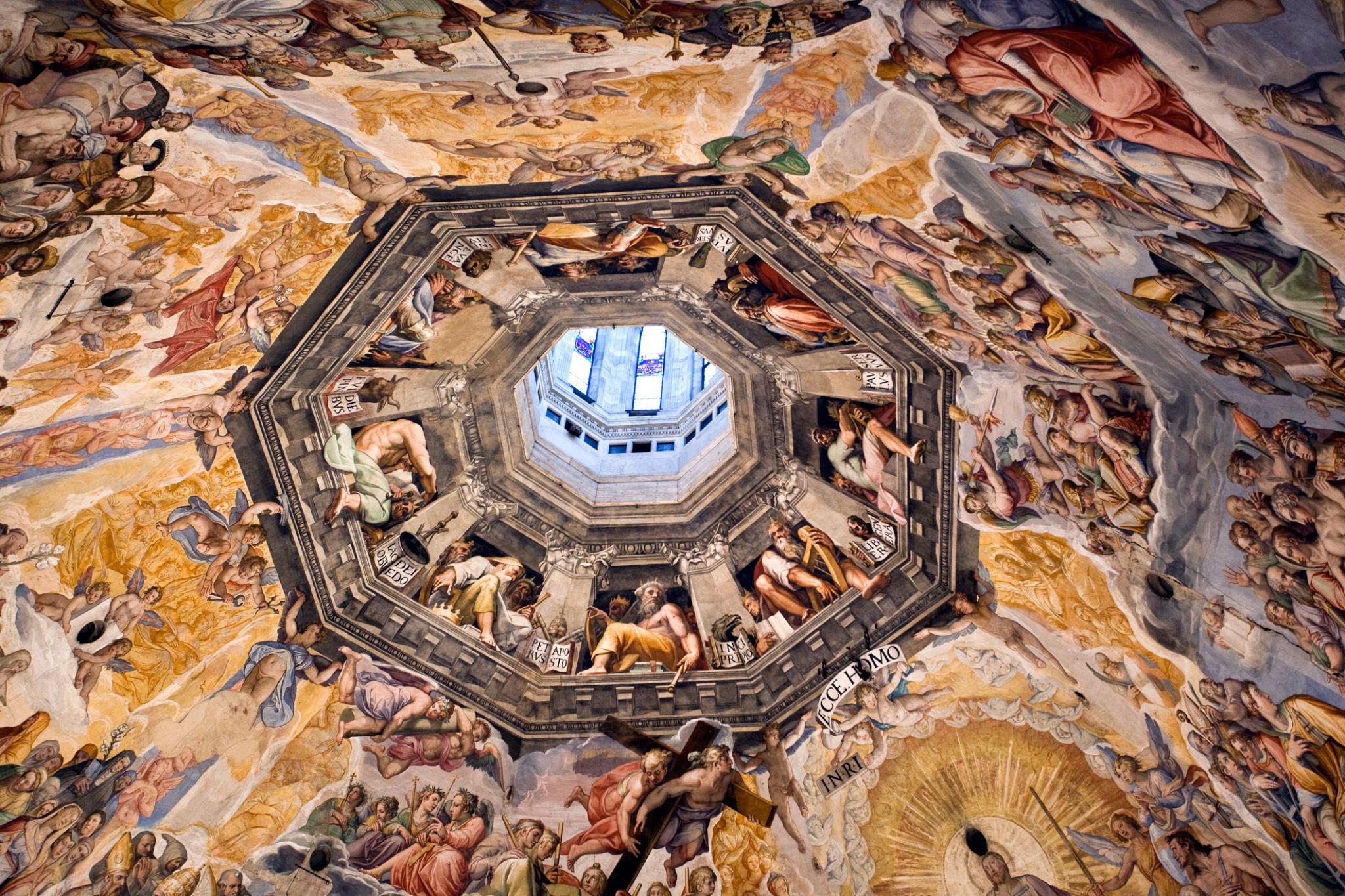
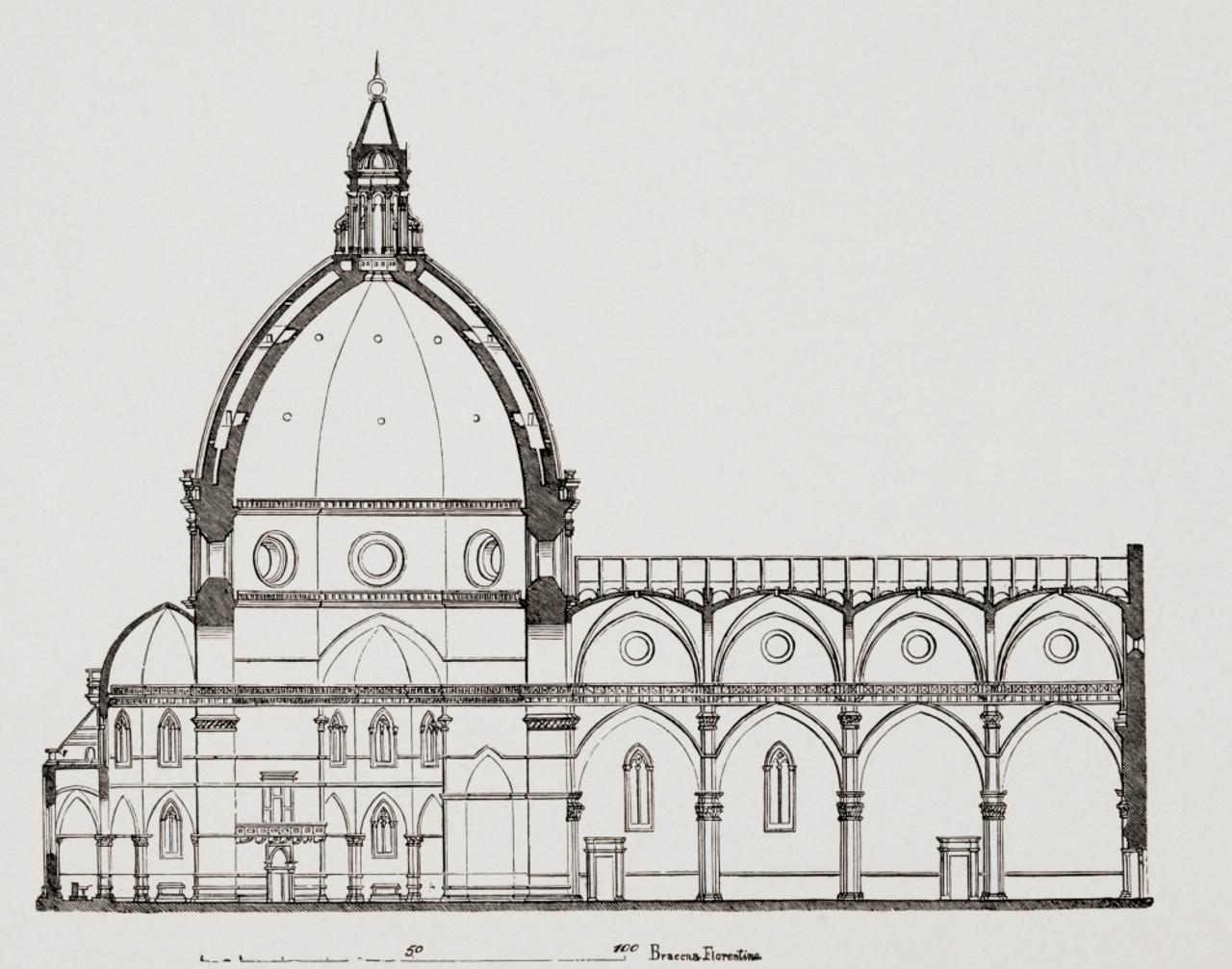
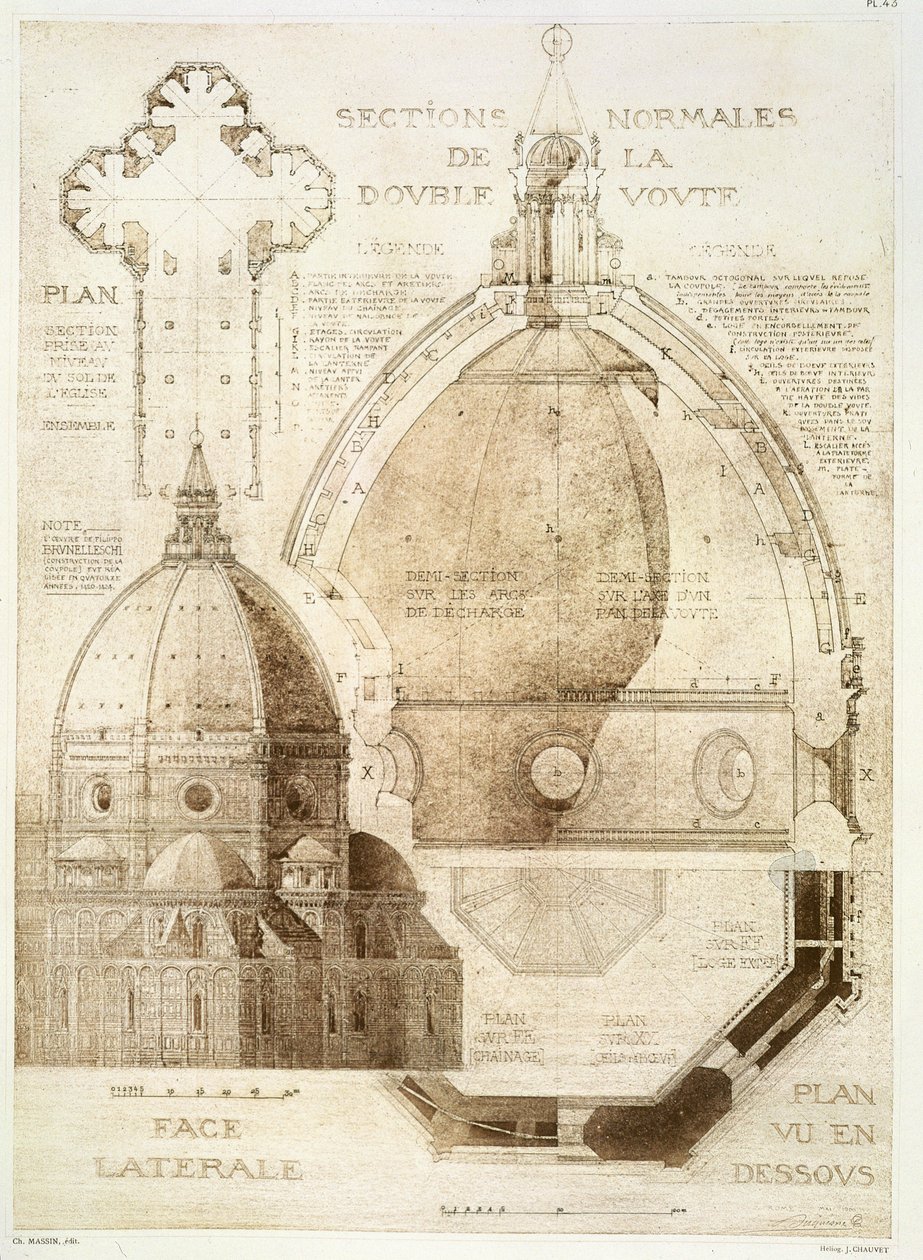
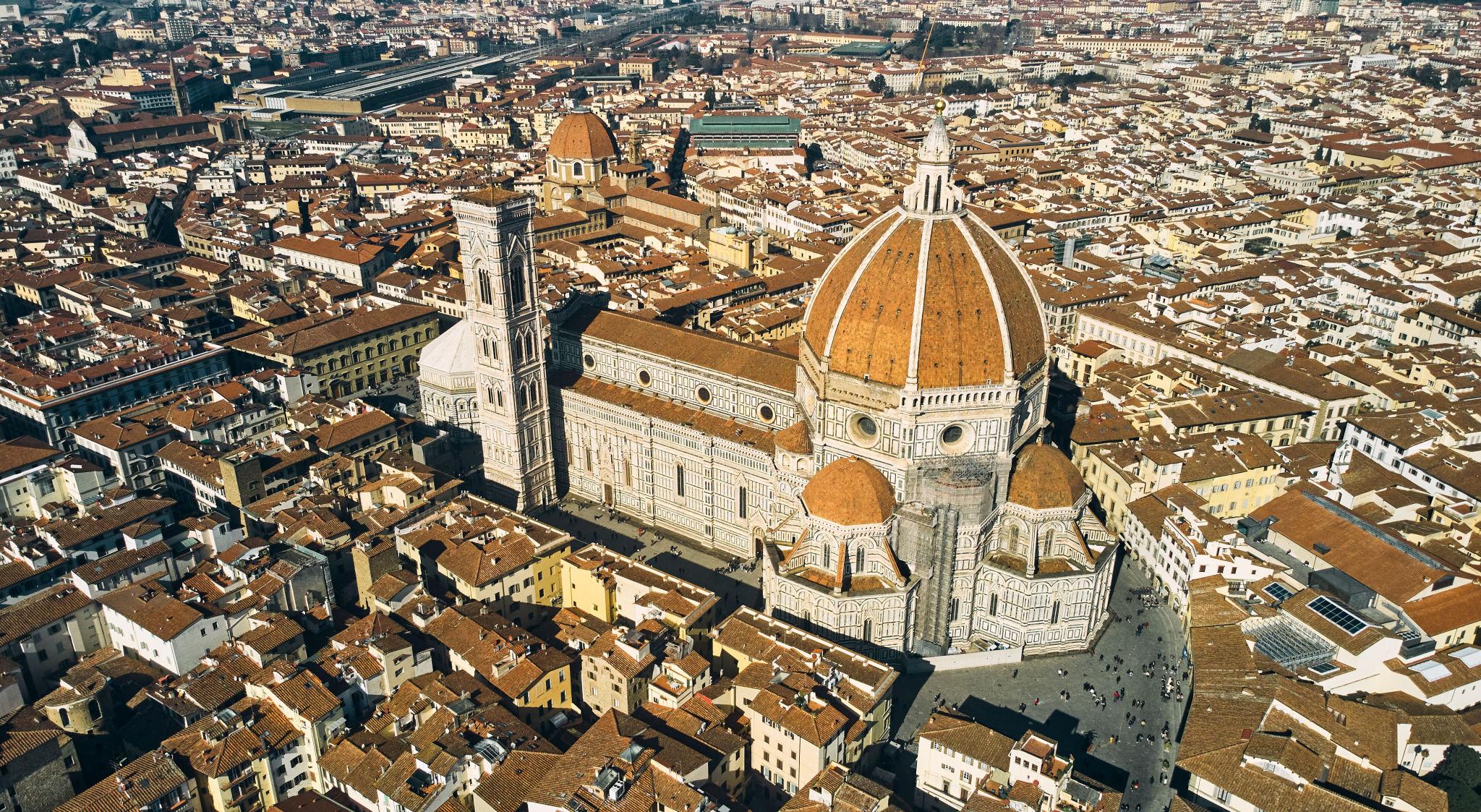
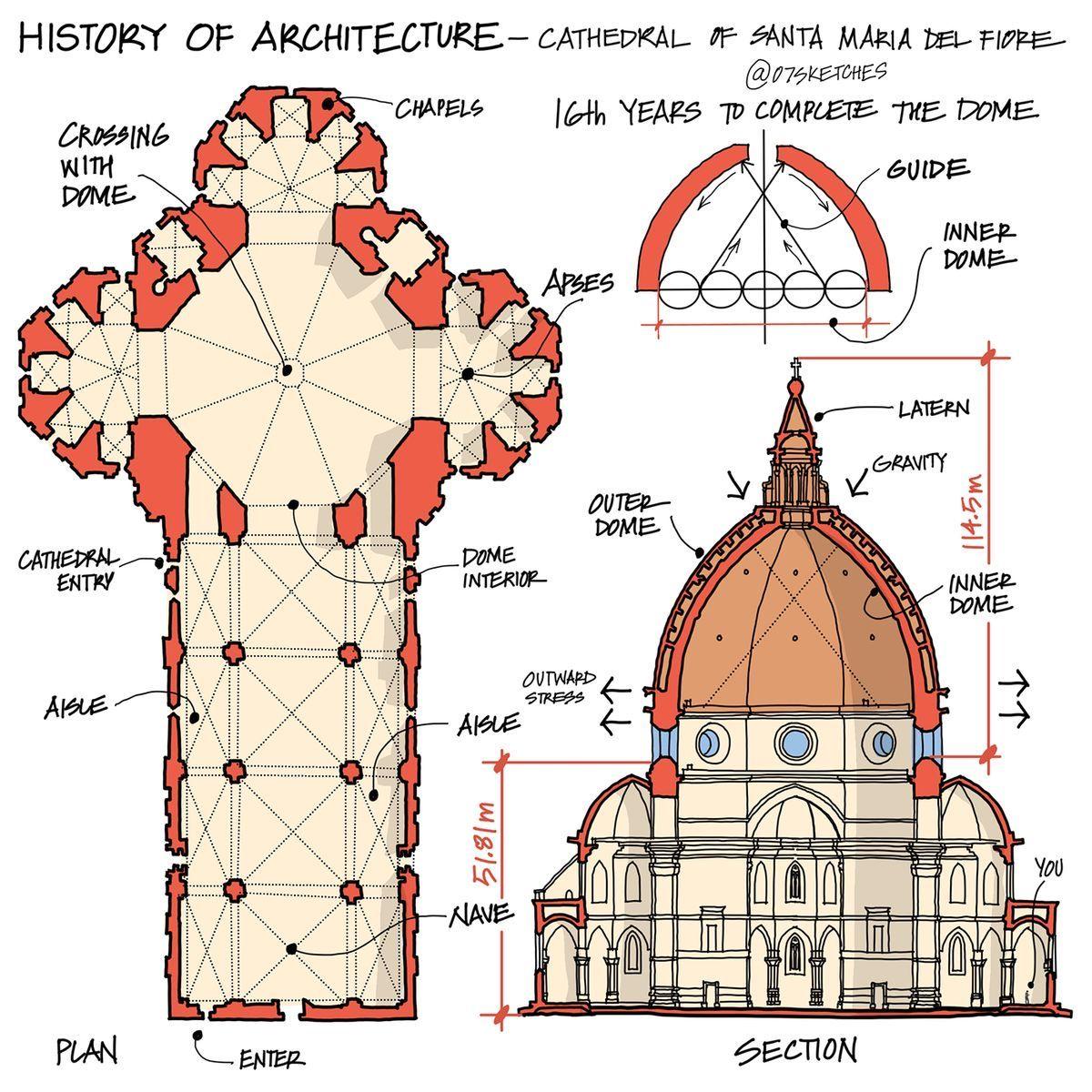
Florence Cathedral, officially the Cathedral of Santa Maria del Fiore, is one of the most significant monuments in the history of Western architecture. Located in Florence, Italy, it represents the transition from medieval Gothic architecture toward the intellectual, mathematical, and classical principles of the Renaissance.
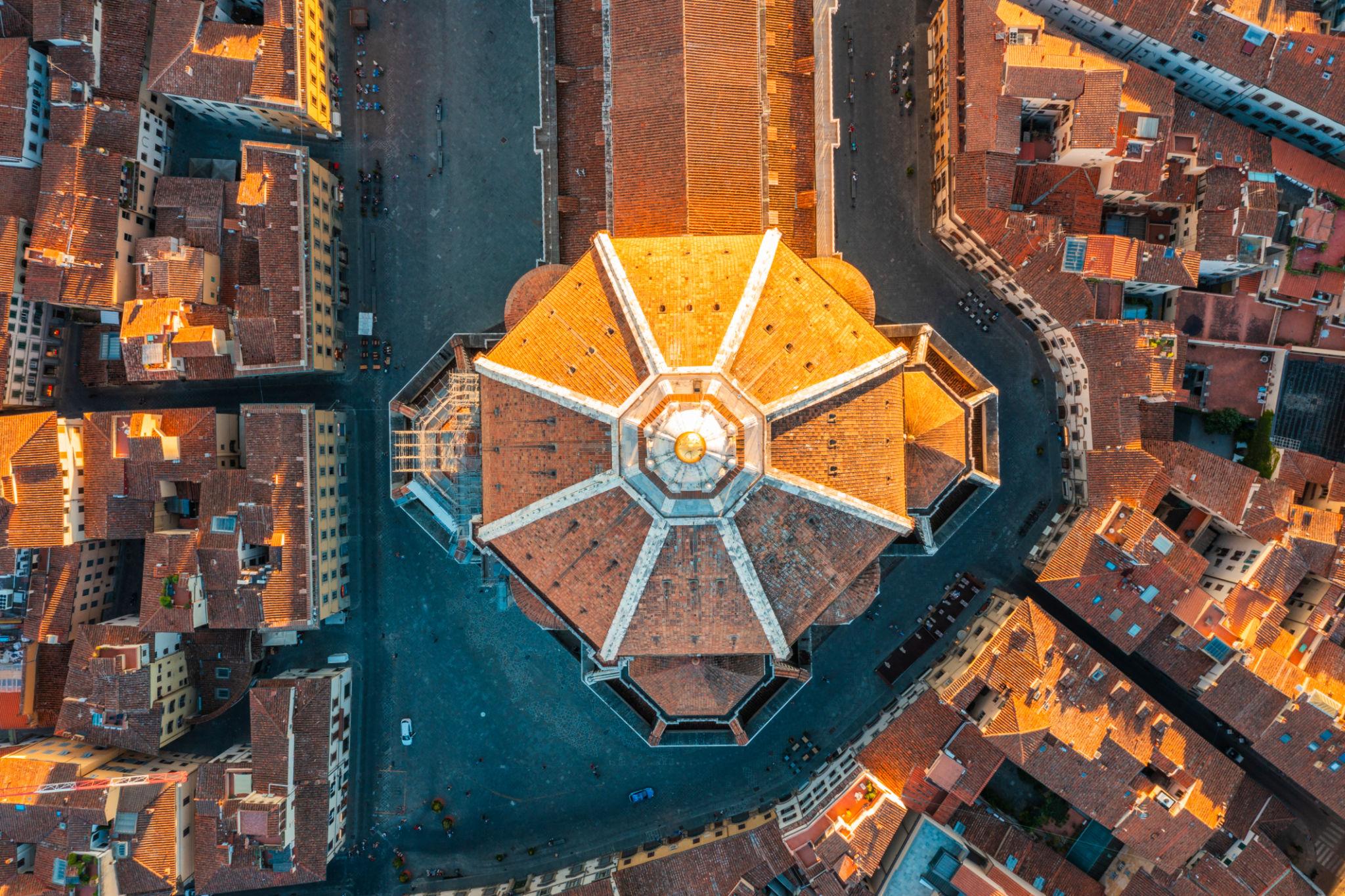
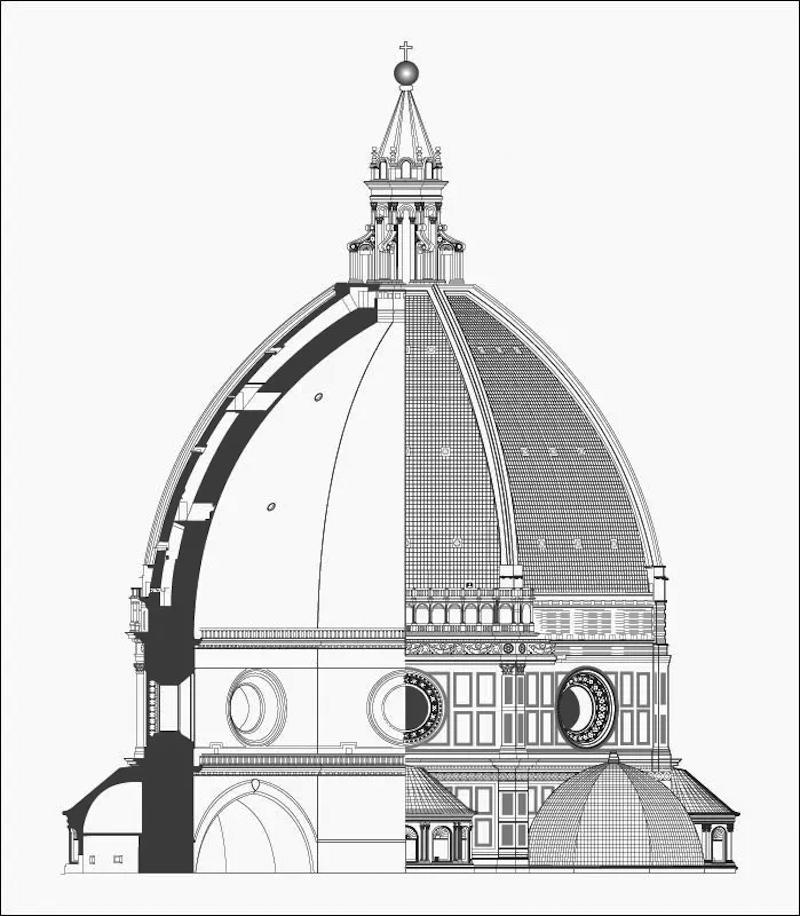
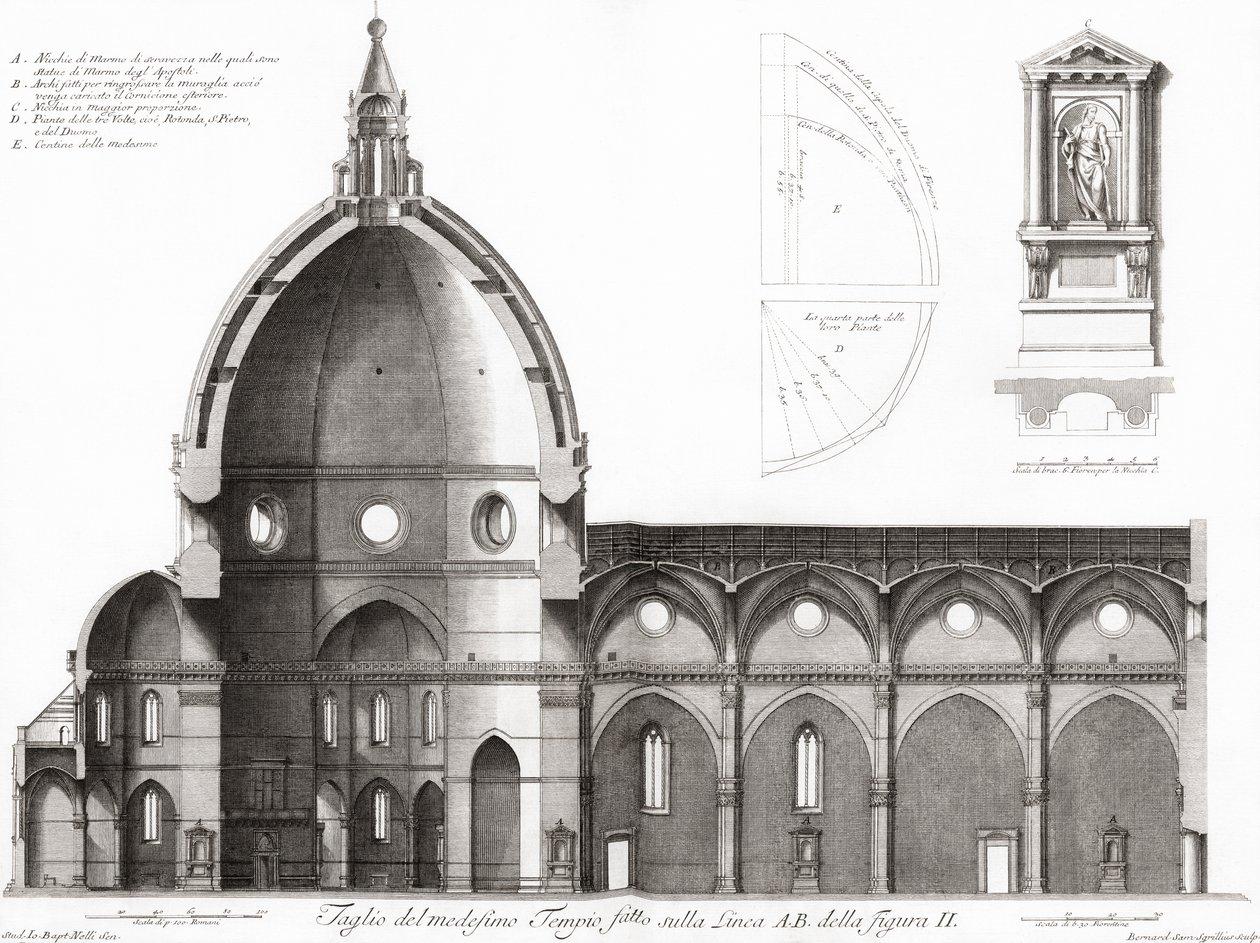
Its defining achievement is the enormous masonry dome engineered by Filippo Brunelleschi in the fifteenth century. Constructed without the traditional full timber centering normally used to support a dome during construction, it became a landmark in structural ingenuity and Renaissance architectural thinking.
The cathedral is not the work of a single architect or period. It developed over centuries through the contributions of Arnolfo di Cambio, Giotto, Francesco Talenti, Brunelleschi, and other architects, sculptors, and craftsmen.
1296 — Foundation and original design
Construction began under the supervision of Arnolfo di Cambio, replacing the earlier church of Santa Reparata. The project reflected Florence’s civic ambition, commercial prosperity, and desire to establish a cathedral worthy of a leading medieval European city.
1334–1359 — Giotto’s campanile and expansion
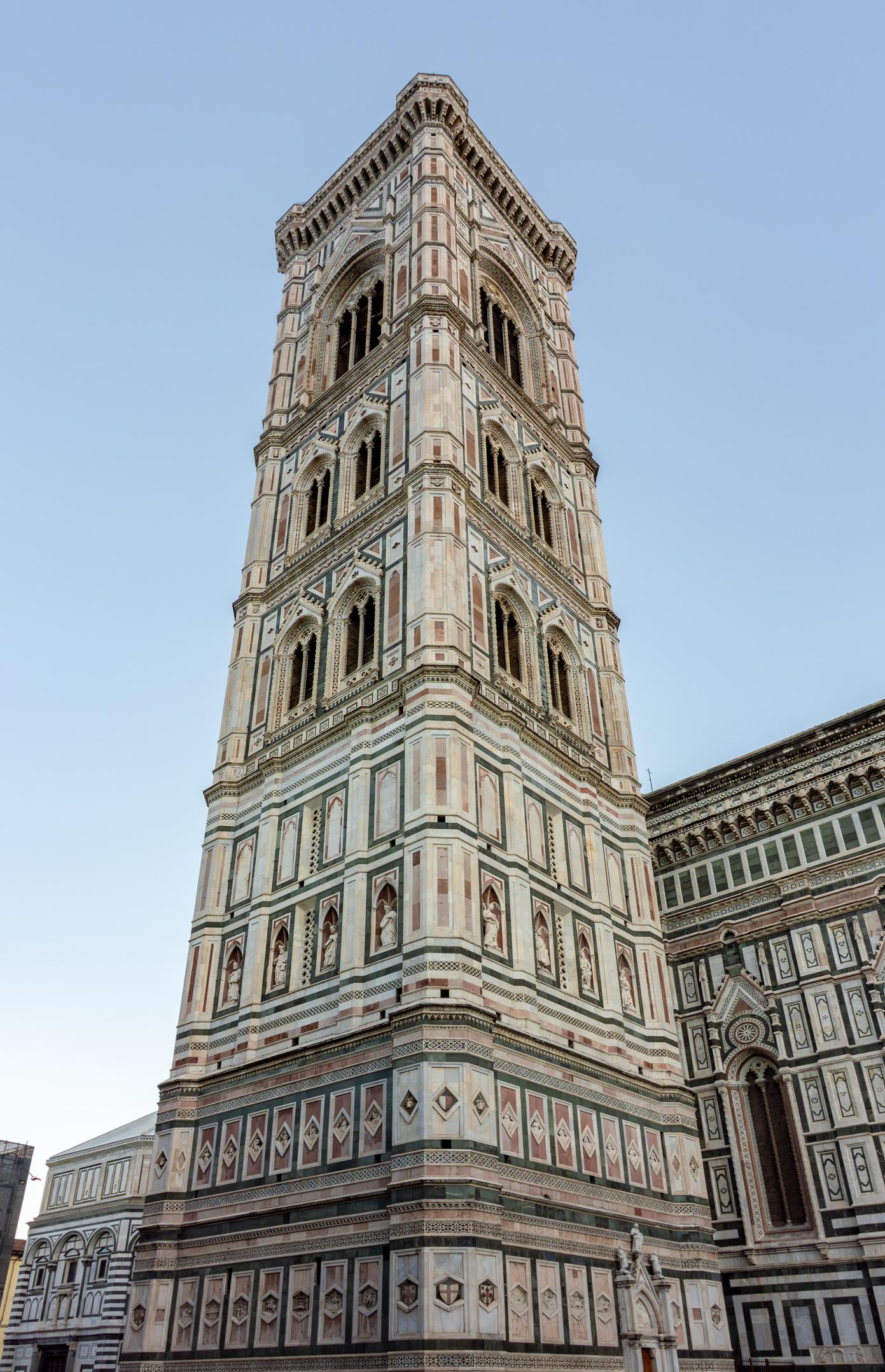
Giotto di Bondone was appointed master of works in 1334 and developed the design for the freestanding bell tower. After his death in 1337, Andrea Pisano and Francesco Talenti continued the work. Talenti also contributed to the cathedral’s evolving plan and spatial configuration.
1418–1436 — Brunelleschi’s dome
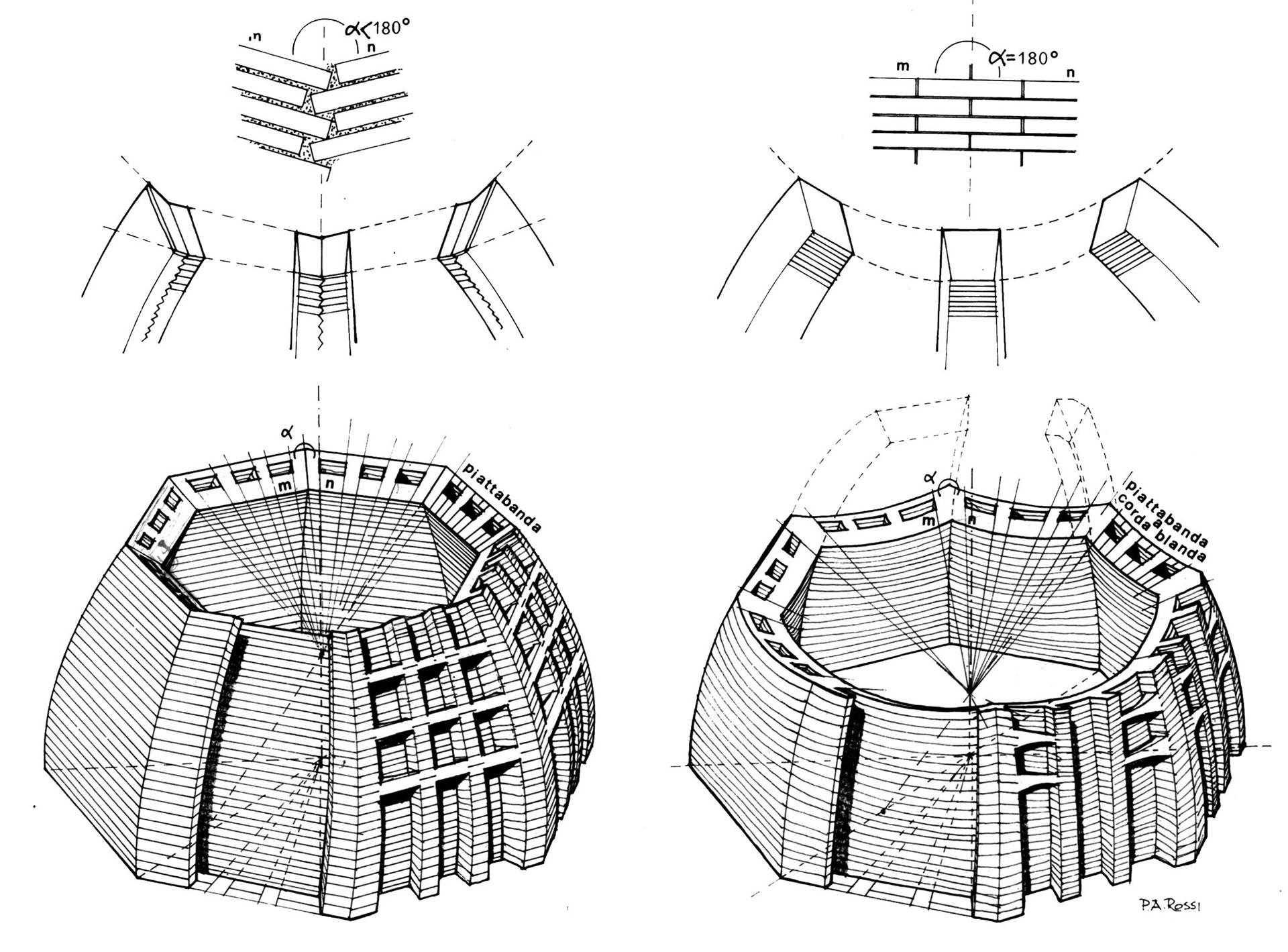
A competition in 1418 led to the decisive phase of the dome project. Filippo Brunelleschi developed a construction system using two shells, brickwork laid in carefully controlled patterns, and structural arrangements that allowed the dome to rise without conventional full-scale wooden centering. The dome was completed in 1436.
1870s–1887 — Completion of the main façade
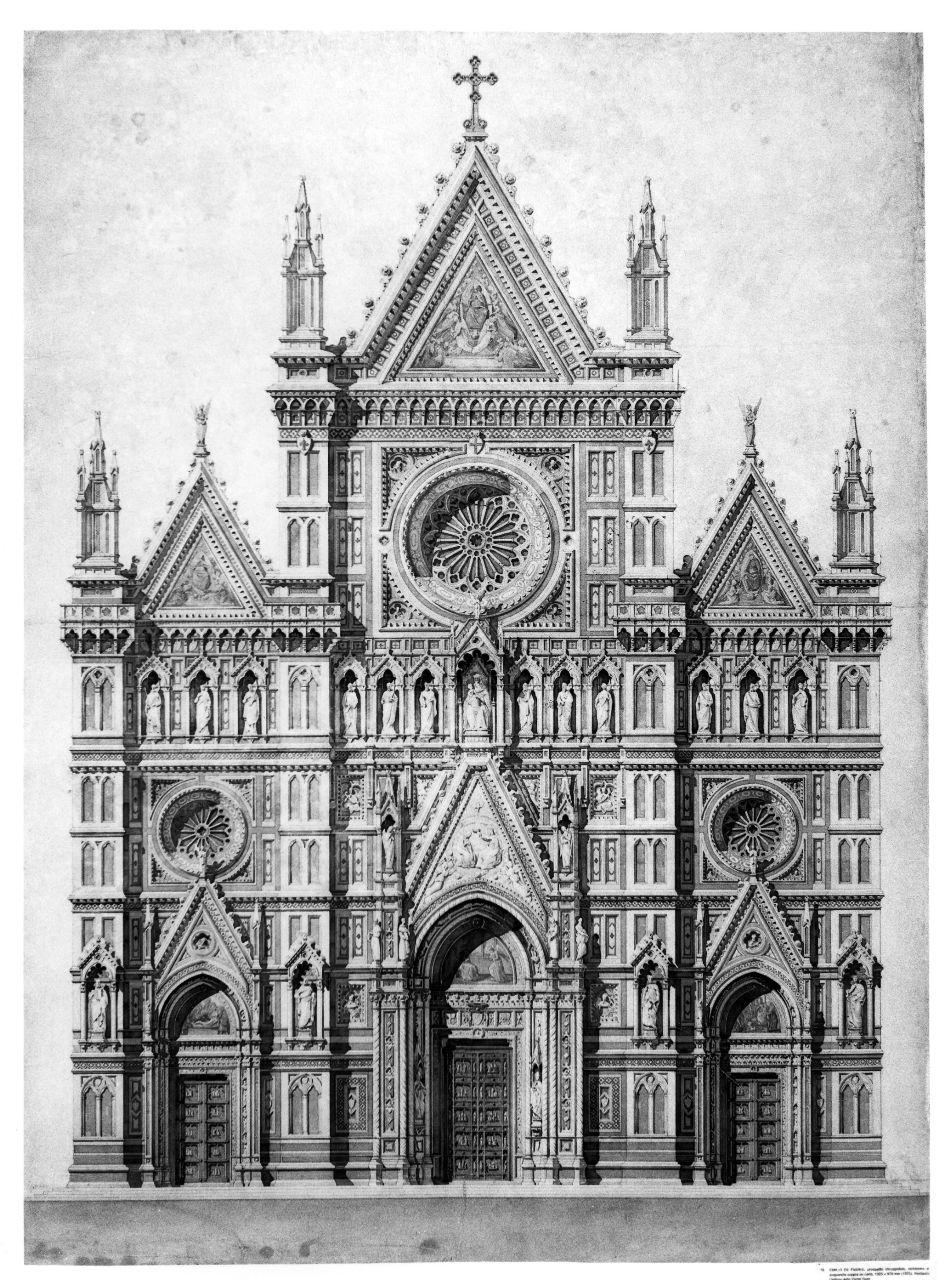
Although the cathedral had been in use for centuries, its elaborate exterior façade was completed much later under Emilio De Fabris. The Neo-Gothic design incorporated colored marble and sculptural decoration, creating a richly patterned exterior that unified the building visually.
.jpg)
Florence Cathedral is especially significant because it reveals the transition between medieval architectural traditions and Renaissance design thinking.
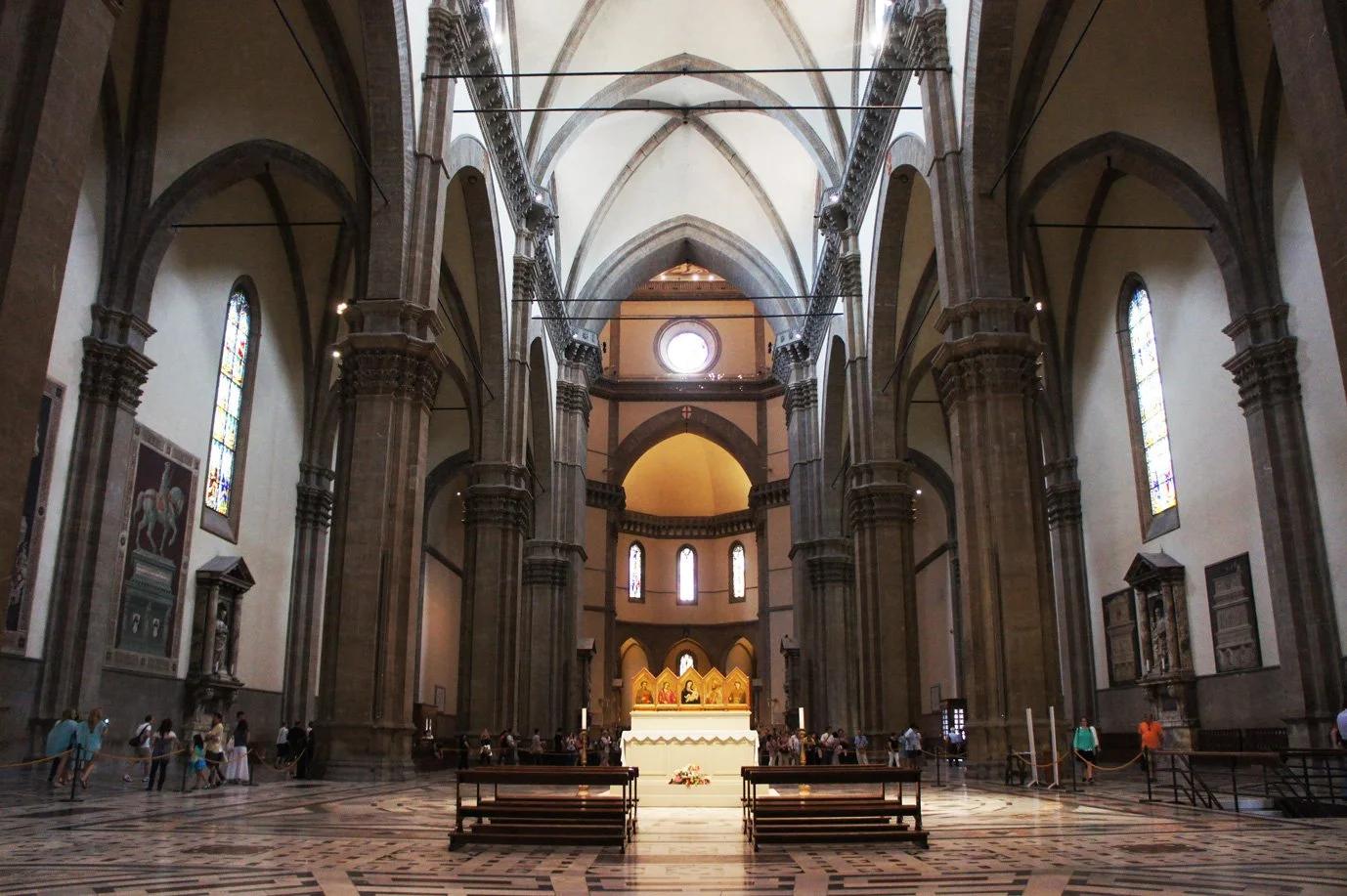
Its plan and nave retain the scale, structural rhythm, and liturgical organization of a Gothic cathedral. Yet its dome became a landmark of Renaissance engineering, in which geometry and the deliberate management of construction played a central role. The later façade and interior decoration add further layers, showing how the monument continued to be reinterpreted over time.
The cathedral should therefore be understood as a multi-period architectural ensemble, rather than as a unified work by a single architect. Its significance lies in the interaction of civic ambition, medieval spatial planning, Renaissance structural invention, and later artistic patronage. Florence’s historic centre, including the cathedral, is recognized by UNESCO for its exceptional contribution to the development of Renaissance art and architecture.
Article Curated by
Picture Gallery
About Architecture Office