Basilica of Santa Maria Maggiore - Rome, Italy
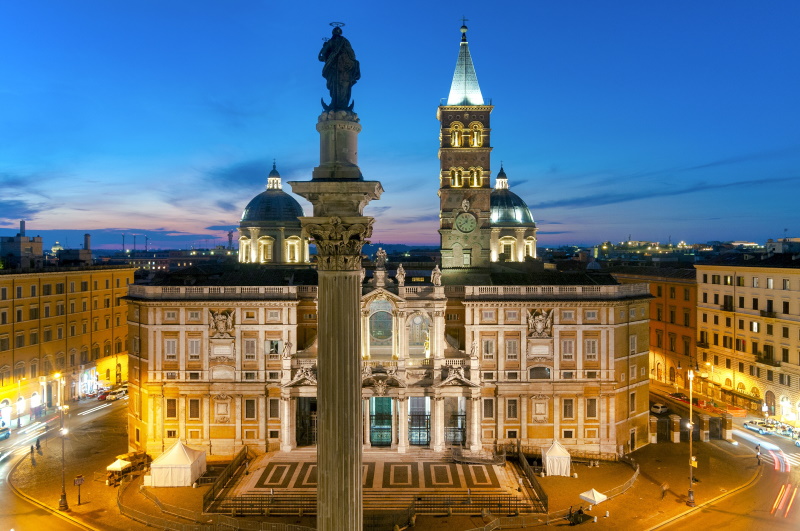
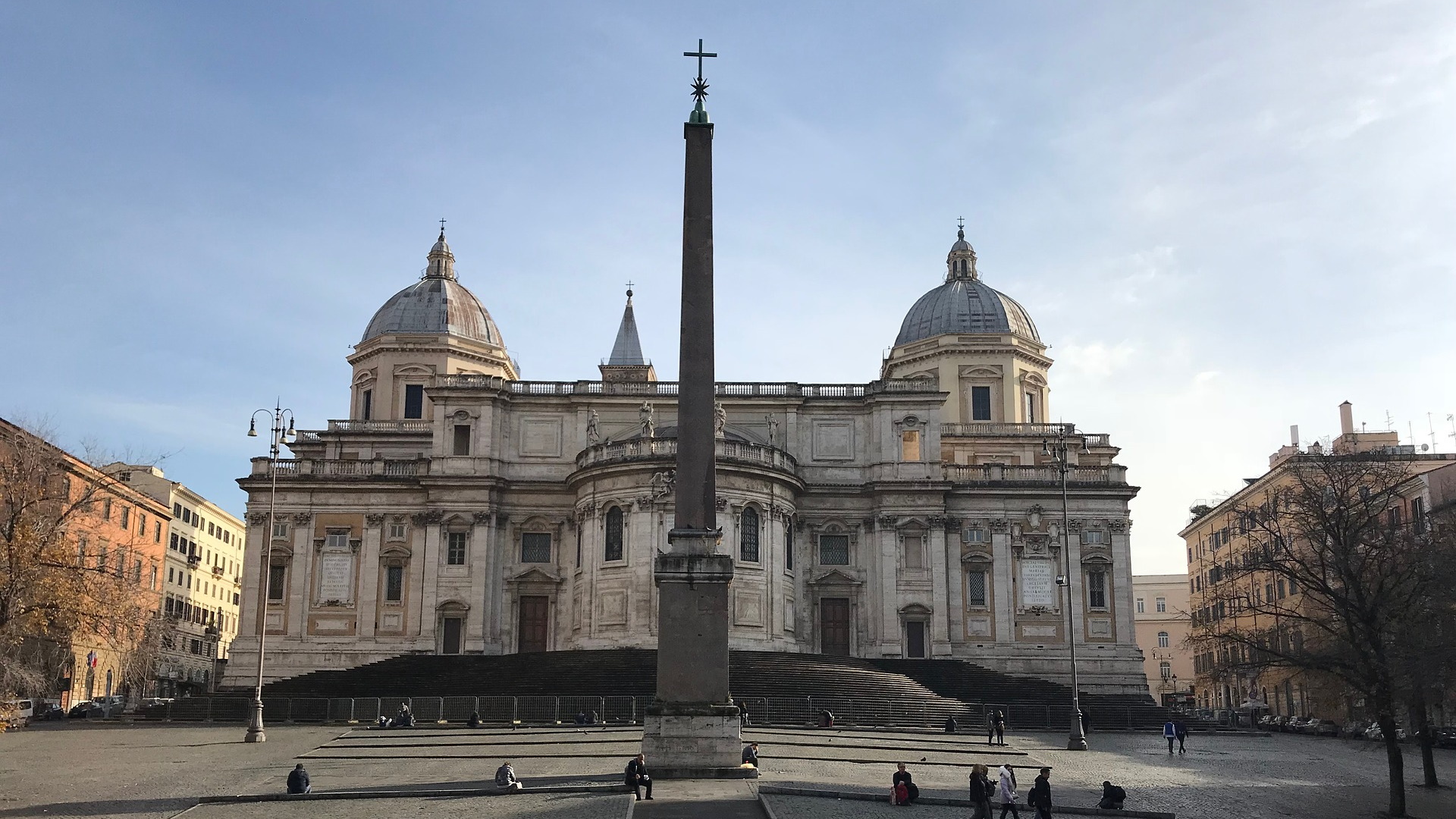
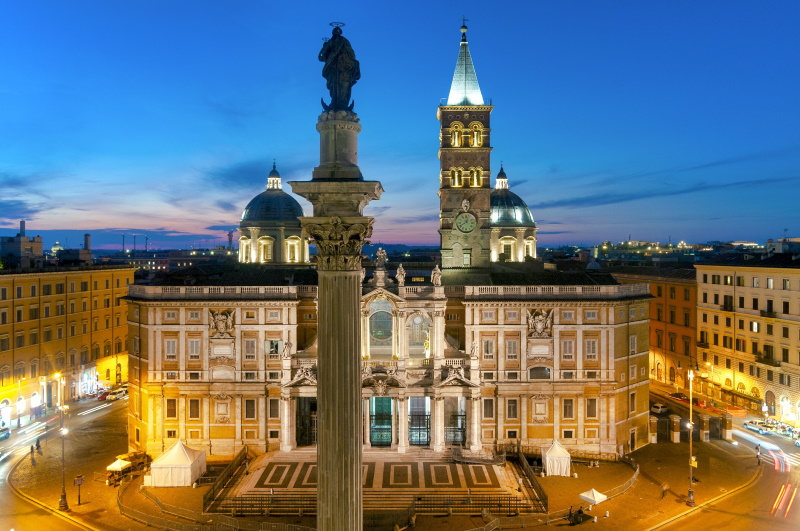
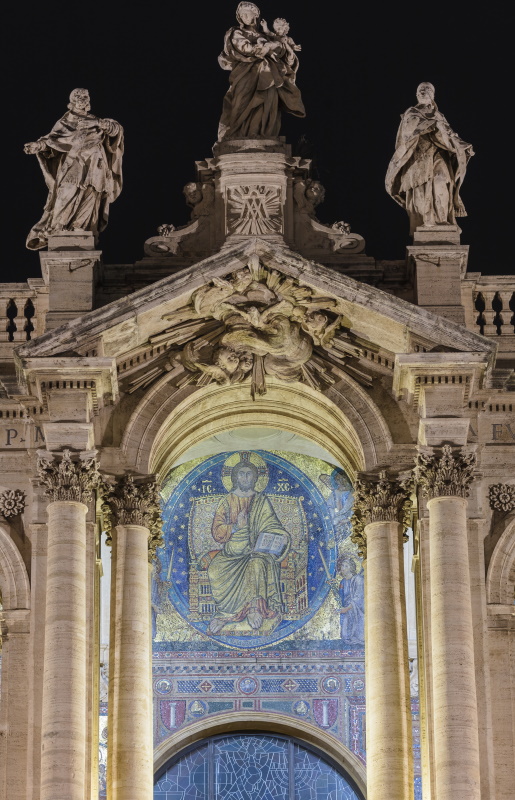
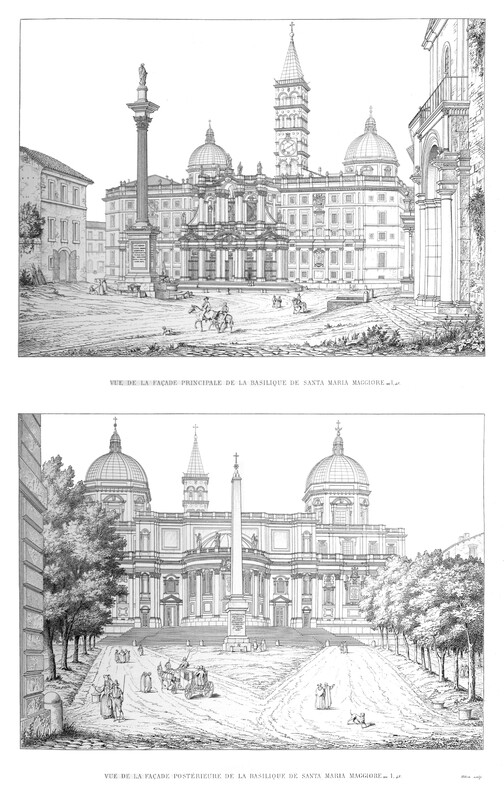
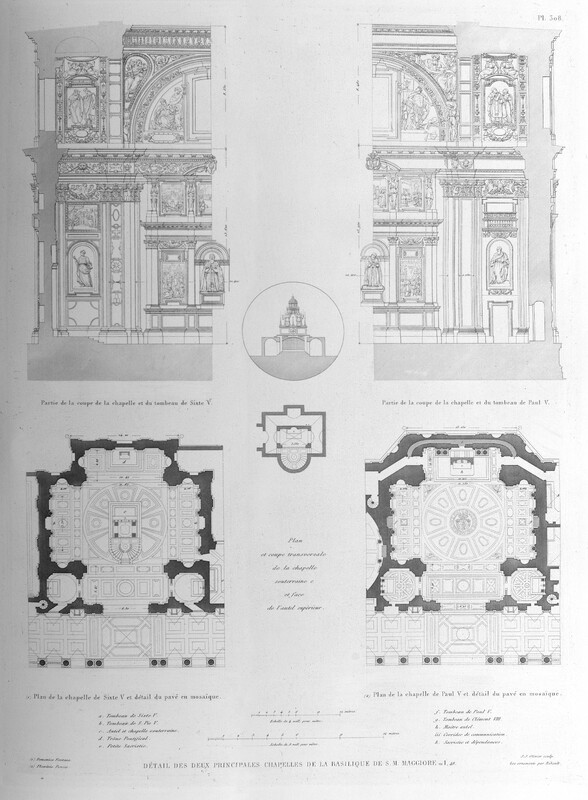
The Basilica of Santa Maria Maggiore (Saint Mary Major) is one of the most important surviving monuments of Early Christian architecture. Situated on the Esquiline Hill in Rome, Italy, it is distinguished by its remarkable preservation of a fifth-century basilican structure, its extensive early Christian mosaics, and the successive architectural additions that transformed it over more than 1,500 years. Unlike many Roman churches that were substantially rebuilt during the Renaissance or Baroque periods, Santa Maria Maggiore retains the essential spatial organization of its early Christian origins beneath later layers of architectural embellishment. According to tradition, the basilica's foundation was inspired by a miraculous snowfall on August 5, marking the site where the Virgin Mary wished a church to be built. The historical building, however, is associated principally with Pope Sixtus III, who commissioned the basilica around AD 432–440, following the Council of Ephesus in 431. The council affirmed the title Theotokos — Mother of God — for the Virgin Mary, giving particular theological significance to the dedication of a major Roman church in her honor.
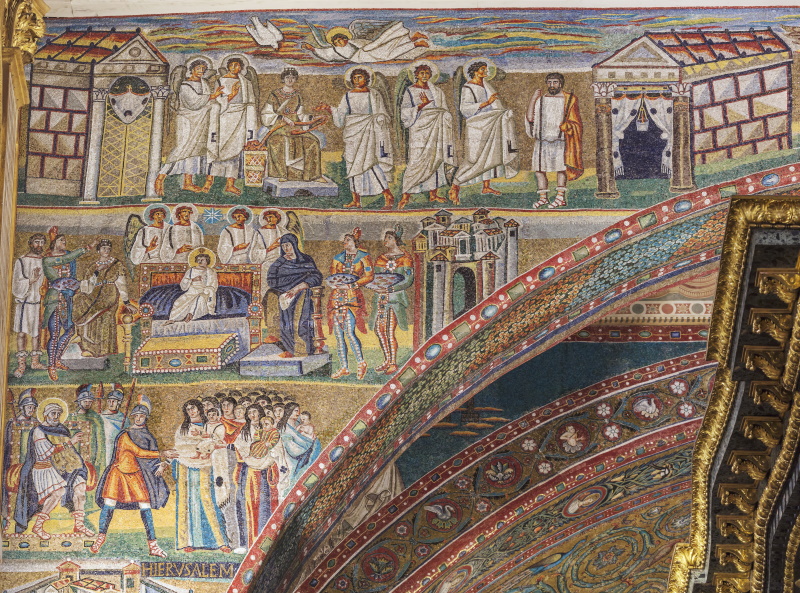
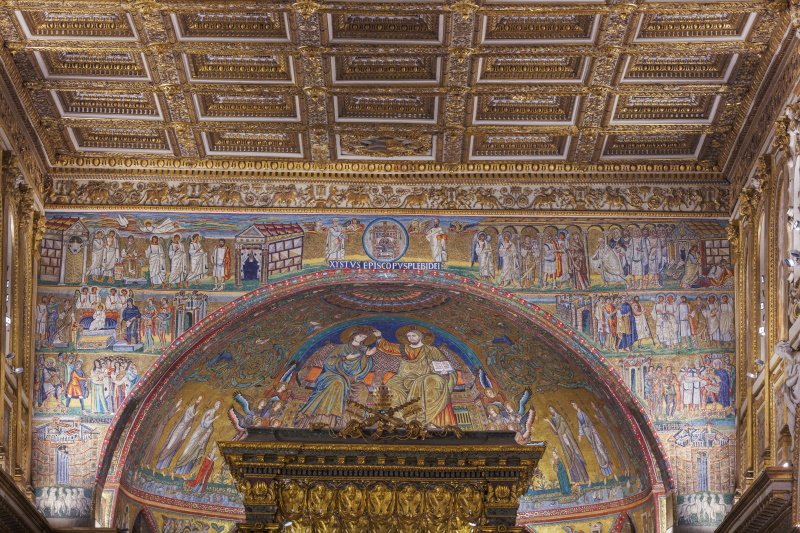
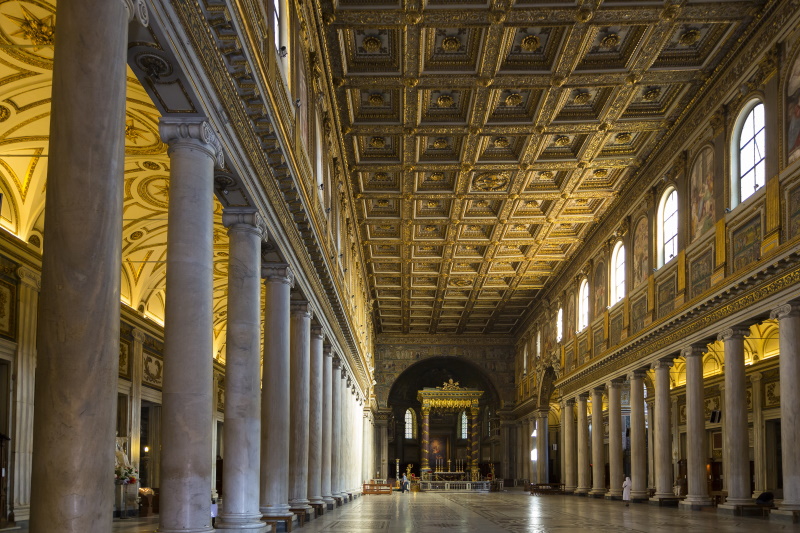
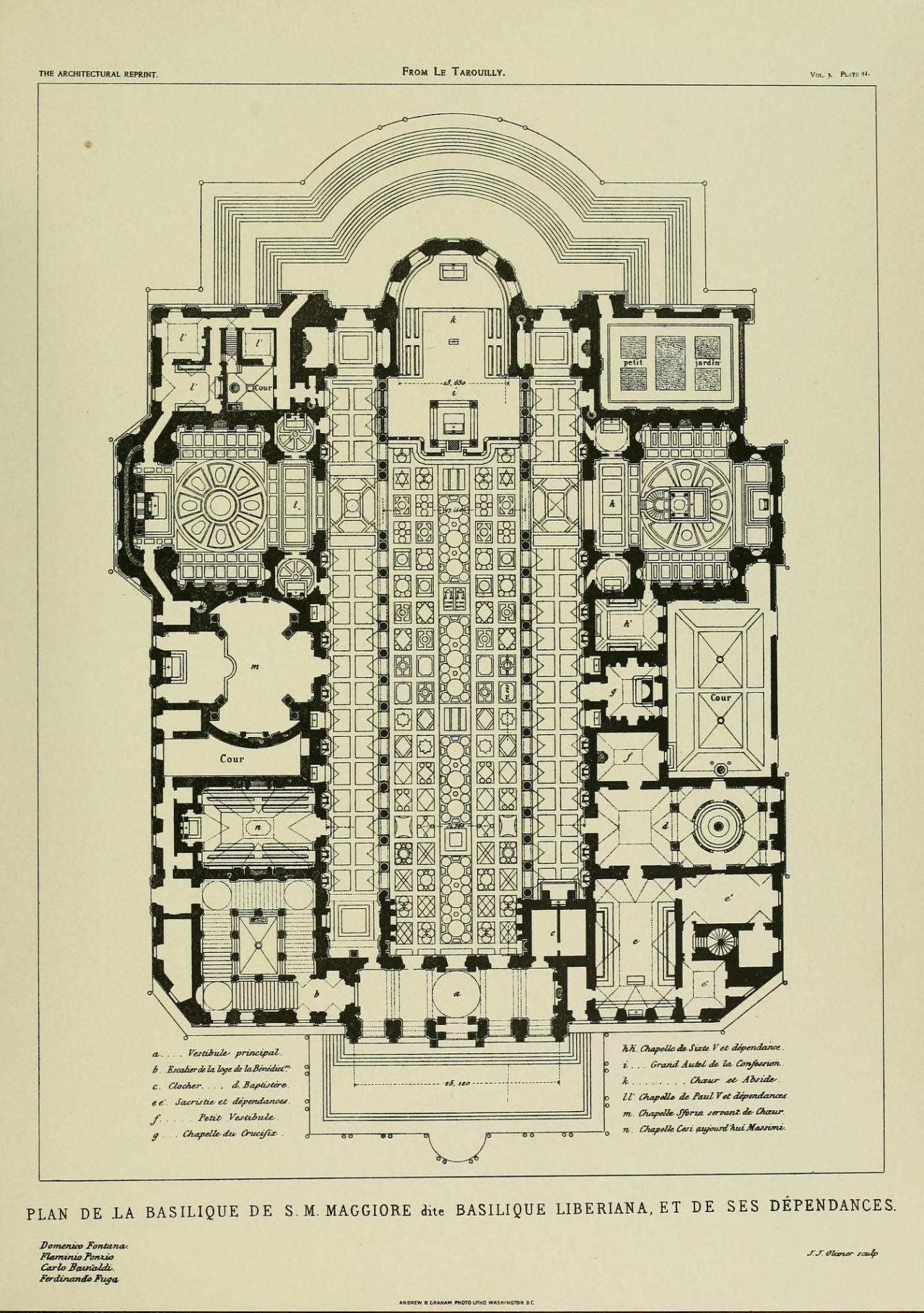
The basilica's original design established a monumental longitudinal space organized around a central nave and two side aisles, separated by rows of columns. Its fifth-century mosaics depict biblical narratives from the Old Testament along the nave walls and scenes from the infancy of Christ across the triumphal arch. These works represent some of the most important surviving examples of early Christian monumental mosaic decoration in Rome.
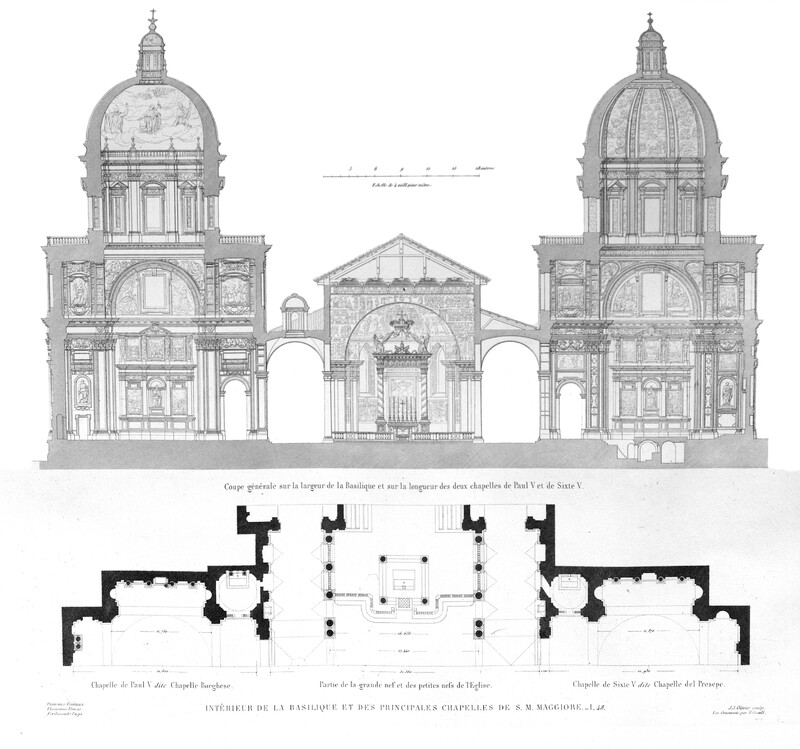
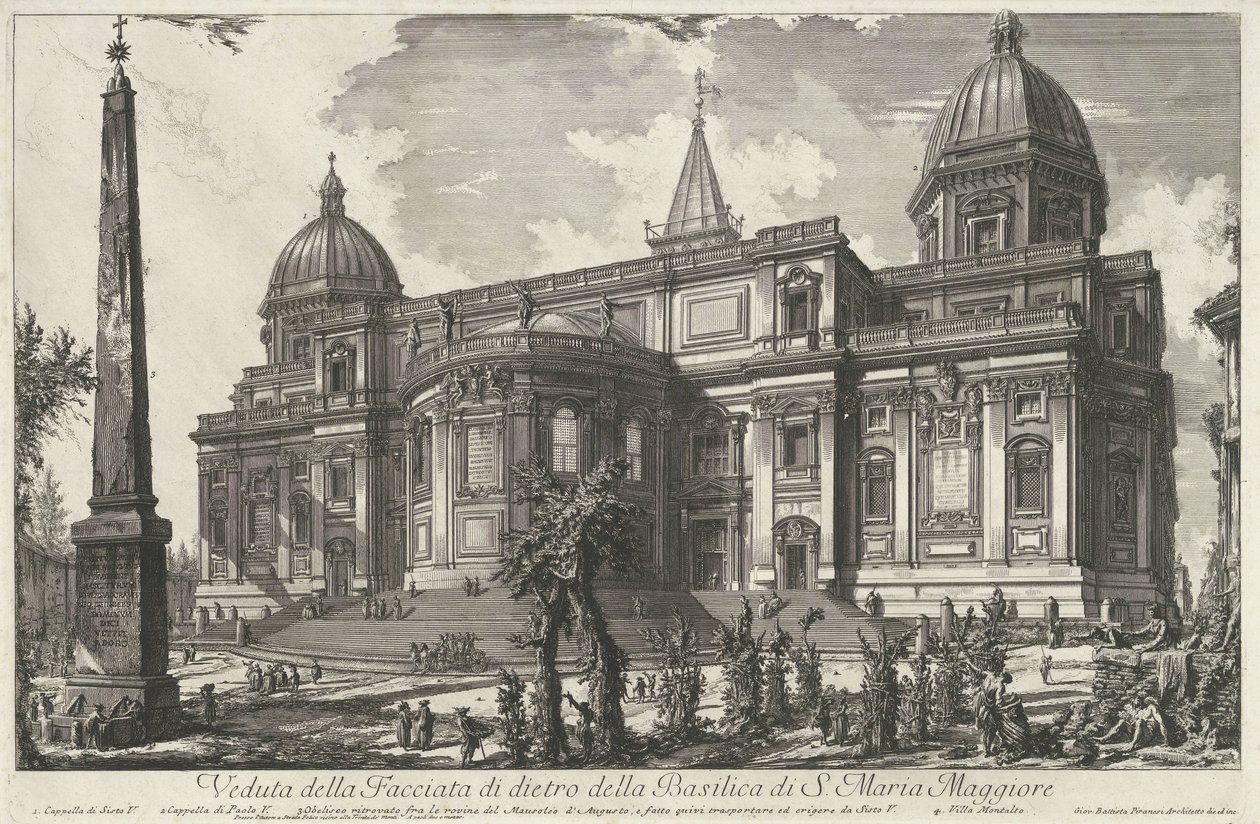
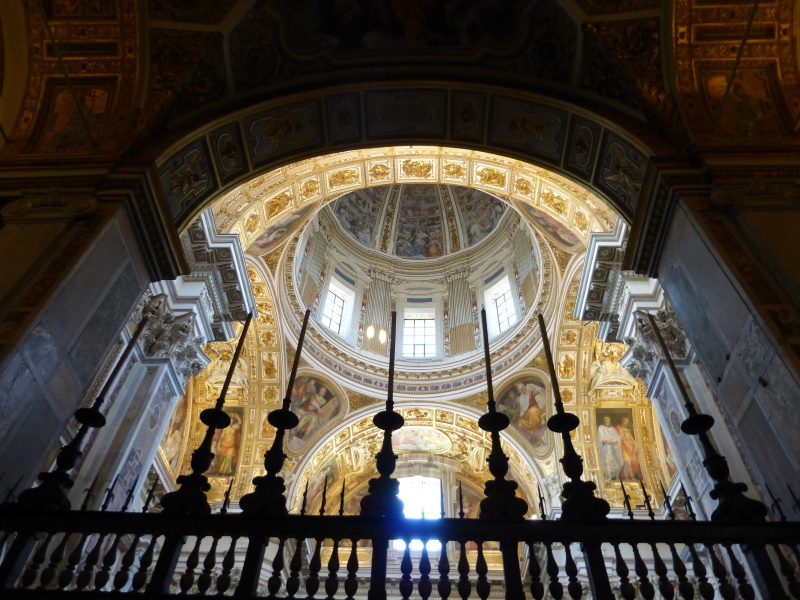
Over the following centuries, the basilica accumulated Romanesque, Renaissance, and Baroque additions. Pope Sixtus V commissioned the Sistine Chapel, designed by Domenico Fontana in the late sixteenth century, while Pope Paul V commissioned the Pauline Chapel, designed by Flaminio Ponzio in the early seventeenth century. The present principal façade and portico were designed by Ferdinando Fuga and completed in the eighteenth century under Pope Benedict XIV. The apse was also reshaped in the seventeenth century under Carlo Rainaldi, while its celebrated mosaic dates to the late thirteenth century and was executed by Jacopo Torriti.
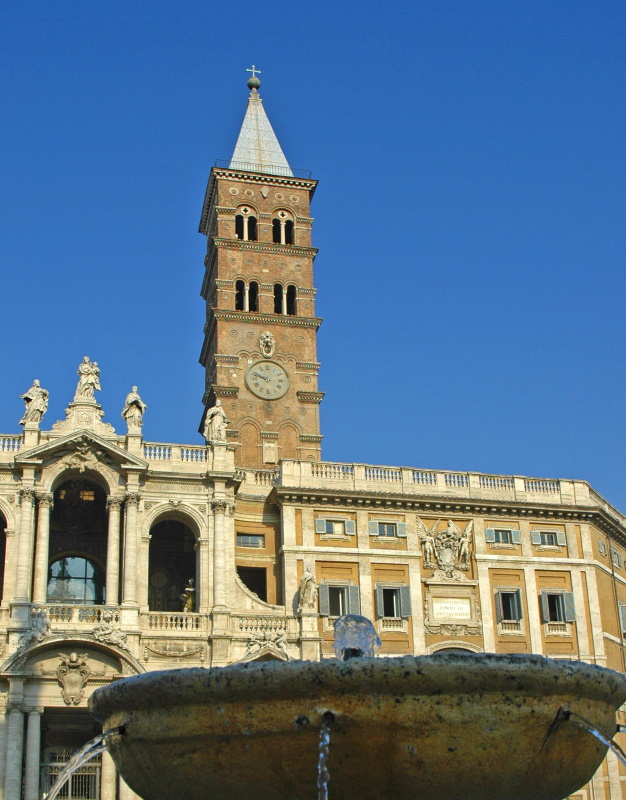
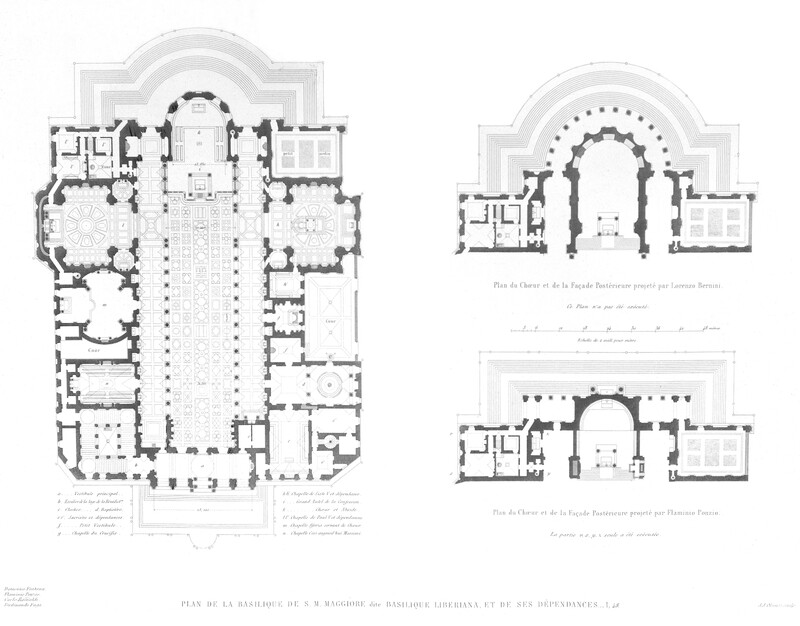
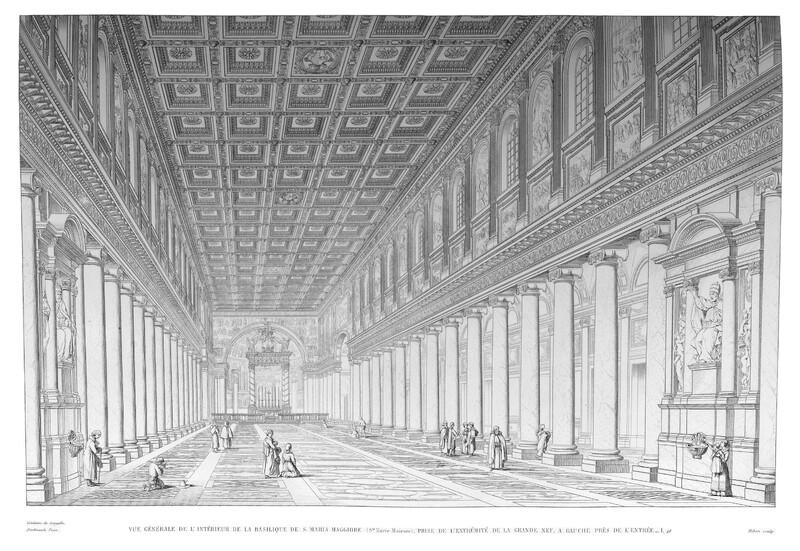
Santa Maria Maggiore is an exceptional example of architectural continuity across historical periods. Its importance lies not in a single unified stylistic composition, but in the survival of an early Christian spatial framework enriched by successive generations of patrons, architects, and artists.
The basilica preserves the clarity and axial order of the Roman basilican tradition while incorporating medieval mosaics, Renaissance interventions, and Baroque chapels. These additions demonstrate how architecture can evolve without entirely erasing its original organizational principles.
Article Curated by
Picture Gallery
About Architecture Office